





The City's Unbreathable Air
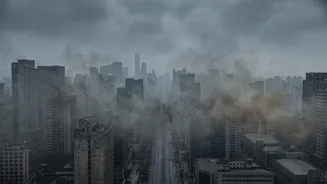
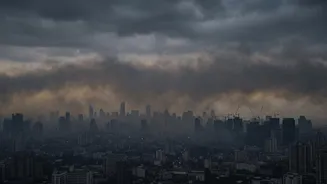
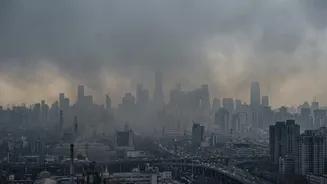
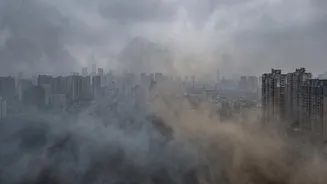
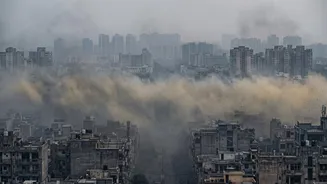
As of late October 2026, Delhi's air quality has once again deteriorated, with the Air Quality Index (AQI) surging into the 'Very Poor' category, reaching levels as high as 337 on some days. These numbers are not just statistics; they represent a toxic
cocktail of pollutants, chief among them being fine particulate matter known as PM2.5. These microscopic particles, smaller than the width of a human hair, are released from vehicle exhaust, industrial emissions, construction dust, and seasonal crop burning. Unlike larger dust particles, PM2.5 can bypass the body's natural defences, travelling deep into the lungs and even entering the bloodstream, causing widespread inflammation and cellular damage.
The Non-Smoker's Alarming Paradox
For decades, lung cancer was considered a 'smoker's disease'. However, hospitals in Delhi and across India are reporting a shocking demographic shift. Studies now show that a significant percentage of new lung cancer patients are lifelong non-smokers. One study from a north Indian hospital found that 52% of lung cancer cases were among non-smokers. Another startling analysis showed that while 90% of cases in 1988 were smokers, by 2018 it was an even split between smokers and non-smokers. This has led medical experts to identify a clear culprit: the chronic, unavoidable exposure to the city's polluted air. The International Agency for Research on Cancer has classified outdoor air pollution as a Group 1 carcinogen, the same category as tobacco.
What the Science Reveals
The link is no longer just a correlation; it's backed by biological evidence. Landmark research has demonstrated how PM2.5 exposure can trigger cancer. A 2025 study found that high PM2.5 exposure can cause specific DNA damage patterns previously linked only to tobacco smoking. It promotes inflammation in the lungs, which can awaken dormant mutations in healthy cells, particularly EGFR mutations, and push them toward a cancerous state. This explains the rising incidence of a specific lung cancer subtype called adenocarcinoma among non-smokers in polluted areas. Some health experts have disturbingly estimated that for a non-smoker, living in Delhi is equivalent to smoking about 10 cigarettes a day.
More Than Just a Cancer Risk
While the cancer risk is alarming, it is only part of the story. The damage from air pollution extends to a wide range of respiratory and cardiovascular illnesses. Chronic exposure to PM2.5 and other pollutants is directly linked to the development and worsening of conditions like asthma, Chronic Obstructive Pulmonary Disease (COPD), and other chronic bronchitis issues. Studies comparing the lung function of young, non-smoking adults in Delhi to those in cleaner environments found significantly reduced lung capacity among the Delhi residents. The constant inflammatory stress also increases the risk of heart attacks and strokes, making air pollution a threat to the entire body, not just the lungs.
What Can You Do?
While the larger problem requires systemic policy change, individuals can take steps to mitigate their personal risk. The first step is awareness. Monitor the daily AQI levels in your area. On days with 'Poor' to 'Severe' air quality, it is crucial to limit outdoor activities, especially strenuous exercise. When you must go out, wearing a properly-fitted N95 mask can significantly reduce the intake of harmful PM2.5 particles. At home and in the office, using a HEPA filter air purifier can create a zone of cleaner air, which is particularly important in bedrooms where you spend a significant amount of time. These measures, while not a solution to the crisis, are essential tools for self-preservation in a polluted environment.