




'Best Before': A Guarantee of Quality, Not a Safety Deadline
The most common and most misunderstood label is 'Best Before'. According to the Food Safety and Standards Authority of India (FSSAI), this date signifies the period during which the product will retain its optimal quality, including flavour, texture,
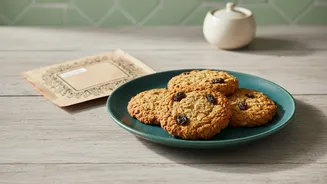
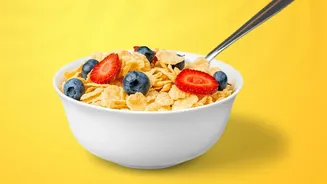
and nutritional value. It is not a hard-and-fast expiry date. A biscuit might be less crisp or a spice might be less fragrant after its 'Best Before' date, but it is often still perfectly safe to consume if it has been stored correctly and the packaging is intact. The FSSAI clarifies that food past this date can still be eaten, though its quality might have diminished. Think of it as the manufacturer's promise of peak freshness, commonly found on items with a longer shelf life like cereals, snacks, and canned goods.
'Use By' or 'Expiry Date': The Safety Signal You Must Obey
This is the date to take seriously. The 'Use By' or 'Expiry Date' is a clear safety marker. It is applied to highly perishable foods, such as packaged milk, paneer, bread, and sliced meats, which can become unsafe to eat after a certain period due to bacterial growth. FSSAI regulations define this as the date after which the food is not considered safe and should not be sold or consumed. Consuming products past their 'Use By' or 'Expiry Date' can pose genuine health risks. Unlike 'Best Before', this is a strict deadline. If the date has passed, the safest course of action is to discard the item, regardless of its appearance or smell.
Decoding 'Date of Manufacture' and 'Sell By'
Indian regulations mandate that most packaged foods must display a 'Date of Manufacture' or 'Date of Packing'. This tells you exactly when the food was prepared or packaged, providing a clear baseline for its freshness. You may also occasionally see a 'Sell By' date, though this is less common for consumers. This date is primarily an instruction for retailers, helping them with stock rotation to ensure products are sold while at their best. It is not a direct safety guide for the shopper; a product is often still good for some time after its 'Sell By' date, assuming it's been stored properly.
The Post-Opening Countdown: 'Use Within' Period
Once you break the seal on a package, the printed dates like 'Best Before' no longer apply in the same way. This is where a 'Use Within' instruction comes in. Often found on products like sauces, juices, or jams, this tells you how long the item will remain in good condition after being opened. For example, a bottle of ketchup may have a 'Best Before' date a year away, but the label will advise you to 'Refrigerate and use within 8 weeks of opening'. This is because exposure to air and potential cross-contamination can cause the product to spoil much faster. Always check for these post-opening guidelines.
When in Doubt, Trust Your Senses
While date labels are important guides, they don't replace common sense. Proper storage is critical—a product stored in a hot or humid place may spoil long before its printed date. Before consuming any food, especially one that is near or past its 'Best Before' date, use your senses. Look for signs of spoilage like mould, unusual colour changes, or a swollen or leaking container. Smell the product; off-odours are a clear warning sign. If the texture seems slimy, watery, or otherwise wrong, it is best to err on the side of caution and throw it away. Food that has genuinely gone bad will usually make it obvious.