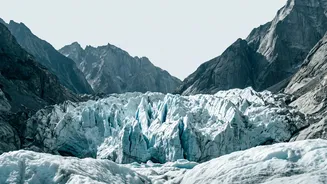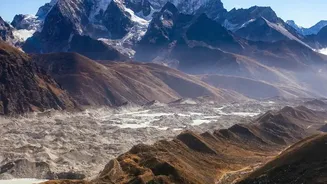





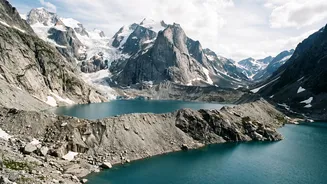
For those living in the shadow of the Himalayas, the threat of Glacial Lake Outburst Floods (GLOFs) is a terrifying reality. But recent findings show that these dramatic, large-scale events are only part of a more complex and persistent danger.
The Devil We Know: GLOFs
For decades,
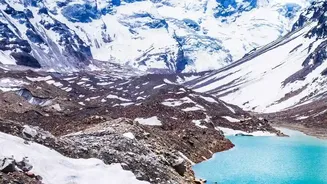
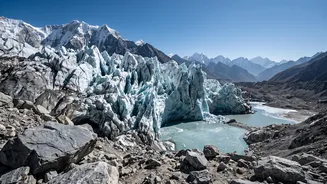
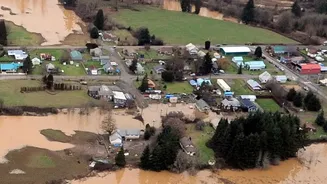
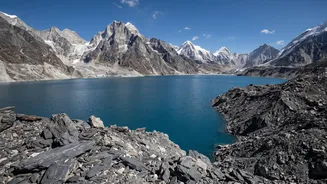
the primary concern for mountain communities has been the threat of GLOFs. As global temperatures rise, glaciers are retreating at an alarming rate, leaving behind vast lakes of meltwater. These lakes are often held back only by unstable natural dams of loose rock and ice. When these dams fail—triggered by anything from heavy rainfall to a rock avalanche—they can unleash a catastrophic torrent of water, mud, and debris downstream. Events like the 2013 Kedarnath tragedy in Uttarakhand are a stark reminder of their destructive power. Studies show that the number and size of these glacial lakes have grown rapidly since the 1990s, putting millions of people at risk globally. High Mountains Asia, which includes the Himalayas, is a major hotspot, with India, Pakistan, and China accounting for over half of the world's exposed population.
A Broader, More Constant Threat
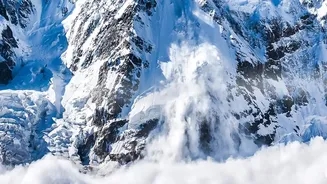
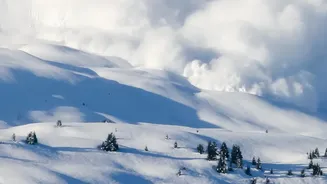
The headline-grabbing nature of GLOFs has, until now, overshadowed other dangers. Researchers are now highlighting that the risk is not limited to these singular, massive outbursts. The ongoing, accelerated melting of glaciers creates a spectrum of hazards that are less dramatic but more frequent and just as dangerous. One study points to six major hazards linked to surging or rapidly melting glaciers, which go beyond lake bursts. These include sudden advances of the glacier ice itself, which can overrun infrastructure; river blockages that create new, temporary lakes; and sudden releases of meltwater from underneath the glacier. Furthermore, the rapid movement and melting of ice can cause widespread crevassing, making traditional travel routes unsafe, and trigger large avalanches of ice and rock. This shifts the perception of risk from a rare, cataclysmic event to a chronic, ongoing condition.
The Indian Himalayan Context
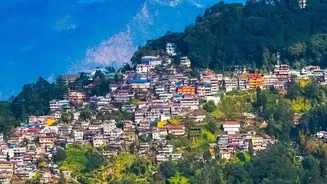
These findings are particularly critical for India. The Hindu Kush Himalaya region is warming faster than the global average, and its glaciers could lose up to 80% of their volume by 2100. A recent report highlighted that Himalayan glaciers are now melting 65% faster than they did a decade ago. This accelerated melt feeds not only the expansion of existing lakes but also the more constant hazards of landslides and flash floods. A UN-led study found that between 1835 and 2025, India recorded the highest number of deaths from GLOFs in the region—over 6,000—despite having fewer recorded events than China or Pakistan. This points to a high degree of vulnerability in downstream communities. With 56 glacial lakes in India classified as 'very high risk', the focus must expand to include the continuous threats posed by generally unstable, rapidly changing glacial environments.
Rethinking Preparedness and Warnings
Current early warning systems are almost exclusively designed to monitor large, potentially dangerous glacial lakes for signs of an impending GLOF. However, they are often ill-equipped to detect the smaller, more unpredictable hazards that new research highlights. The sudden flood in Nepal in August 2026, caused by a rock-and-ice avalanche, showed how existing warning systems can fail to detect sudden debris surges from sources other than a primary lake. The 2021 Chamoli disaster in Uttarakhand was another example, where a rock and ice avalanche rapidly transformed into a devastating debris flow. This underscores the urgent need for a more integrated monitoring approach. Scientists stress the need for ongoing satellite monitoring, more field observations, and improved modeling to understand how glaciers will respond to continued warming and to better protect the communities living downstream.