







Why Your Fruit Smoothie Isn't Filling
Many common smoothies are packed with fruit. While delicious and full of vitamins, a fruit-heavy blend can lead to a quick spike in blood sugar followed by a crash, which brings back hunger pangs. Often, these smoothies lack the staying power that comes
from a more balanced macronutrient profile. Without sufficient protein, healthy fats, and fibre, your body digests the smoothie rapidly, leaving your stomach empty and your energy levels depleted. The key is to move beyond just fruit and liquid and think of your smoothie as a complete, balanced meal in a glass. By incorporating the right ingredients, you can slow down digestion and ensure a steady release of energy that keeps you satisfied for hours.
The Power of Protein
Protein is well-known for its ability to promote satiety, the feeling of fullness. It is more satiating than carbohydrates or fats alone and helps regulate your appetite. Adding a solid source of protein turns your smoothie from a simple drink into a muscle-supporting, hunger-curbing meal. Great options include plain Greek yogurt or kefir, which also provide probiotics. For plant-based alternatives, silken tofu blends in seamlessly, adding creaminess and a protein boost without altering the flavour. Protein powders, whether whey, casein, or plant-based options like pea or hemp, are another convenient choice. Even a scoop of cottage cheese can be a great addition for a creamy texture and significant protein content.
Embrace Healthy Fats
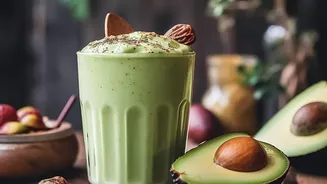
Don't be afraid of adding fat to your smoothie. Healthy fats are crucial for slowing down digestion and absorption, which helps stabilise blood sugar and keeps you feeling full. Just a small amount can make a big difference in both satiety and texture. One of the best options is avocado, which creates an incredibly creamy consistency. A tablespoon or two of nut butter, like almond or peanut butter, adds flavour, protein, and healthy fats. Seeds are another fantastic choice; chia, flax, and hemp seeds are rich in beneficial omega-3 fatty acids and also contribute fibre. Chia seeds in particular absorb liquid and can help thicken your smoothie, making it feel more substantial.
Fill Up with Fibre
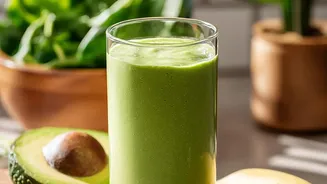
Fibre is essential for digestive health and is a key player in making a smoothie more filling. It adds bulk to your meal without adding significant calories and helps to slow the digestive process. Rolled oats are an easy and inexpensive way to add soluble fibre, which helps you feel fuller for longer. Berries, especially raspberries and blackberries, are high-fibre fruits that are also lower in sugar. You can also sneak in vegetables for a major fibre and nutrient boost without drastically changing the taste; a handful of spinach or kale, or even some frozen cauliflower or zucchini, can blend in completely unnoticed. Keeping the skin on fruits like apples and pears is another simple trick to increase the fibre content.
Building a Balanced Blend
Creating the perfect substantial smoothie is about combining these elements. Start with a liquid base like unsweetened almond milk or water instead of juice to control sugar. Then, choose your fruit (about one cup). Next, add your protein source, like a scoop of Greek yogurt or protein powder. Follow that with a source of healthy fat, such as a tablespoon of almond butter or a quarter of an avocado. Finally, add a boost of fibre with a tablespoon of chia seeds or a handful of spinach. Don't be afraid to experiment with flavours by adding spices like cinnamon or a dash of vanilla extract. This formula ensures you have a balanced, nutrient-dense meal that will keep you energised and satisfied until your next meal.