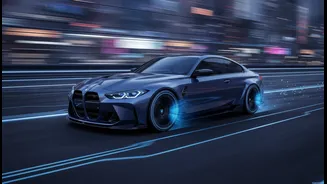



A Legacy Reimagined for a New Era
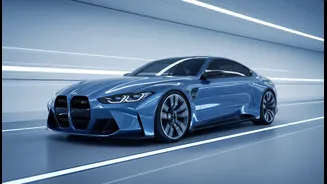
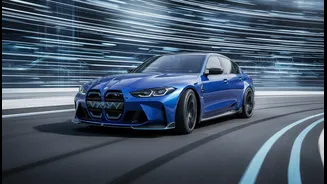
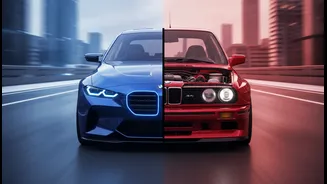
The BMW M3 holds a special place in the hearts of car enthusiasts. It has always represented the pinnacle of what a sports sedan can be: fast, engaging, and usable every day. The move to an all-electric powertrain, therefore, is not a step the brand is taking
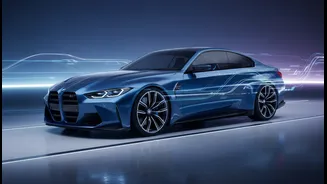
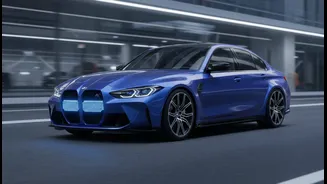
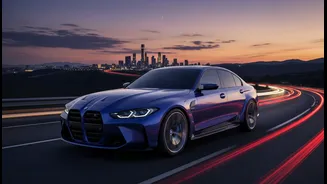
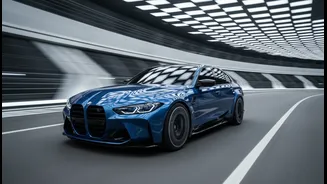
lightly. The upcoming electric M3, previewed by the striking M Concept Neue Klasse, is tasked with proving that the thrills M cars are famous for can exist without a combustion engine. This isn't just about adding an electric option; it's about defining the future identity of BMW M. To that end, BMW has confirmed it will be sold alongside a new internal combustion M3, giving customers a choice but also setting up an internal showdown for the brand's soul.
The 'Heart of Joy' Central Brain
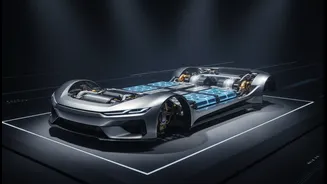
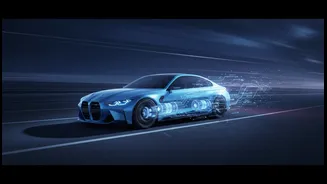
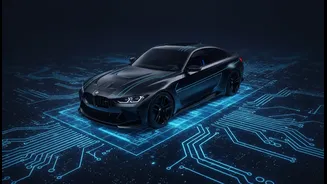
At the core of the electric M3—and all future M cars—is a revolutionary piece of hardware and software BMW calls the 'Heart of Joy'. This is a central control unit that integrates all aspects of driving dynamics into a single, incredibly fast computer. It manages the motors, braking, stability control, and energy recuperation. By processing information up to ten times faster than current systems, which use multiple separate controllers, the Heart of Joy can make the car feel more responsive, agile, and precise. This unified brain is the key to making an electric car feel intuitive and connected, a hallmark of the M driving experience. It's this centralized control system that will be scaled across the entire future M lineup, from sedans to SUVs.
Four Motors, Unprecedented Control
The electric M3 will feature a quad-motor setup, with one electric motor dedicated to each wheel. This isn't just for blistering straight-line speed, though early reports hint at staggering power figures. The real advantage is the level of control it provides. With the 'Heart of Joy' coordinating, the system can send the perfect amount of power or braking force to each individual wheel in milliseconds. This enables a level of torque vectoring and traction management that is simply not possible with a traditional mechanical all-wheel-drive system. It allows the car to be incredibly stable and grippy when needed, but also deliver a classic rear-wheel-drive character by decoupling the front motors. According to BMW M CEO Frank van Meel, this technology is what will deliver performance levels never seen before in a production M car.
More Than Just One Car
Frank van Meel has been clear: BMW M does not develop a new drivetrain concept for just a single car. The quad-motor system and 'Heart of Joy' controller being pioneered in the electric M3 are designed as a modular blueprint. This technological architecture, built on the Neue Klasse platform, is scalable and will be adapted for all future high-performance electric models from the brand. Just as the hybrid V8 system from the XM SUV is making its way into the new M5, this all-electric performance platform will become the foundation for the next generation of M cars. The electric M3 is the proof of concept, and its success will dictate the character and capability of every M car that follows it into the electric era.
Crafting an Emotional Connection
One of the biggest challenges is recreating the emotional feedback that is lost without a roaring combustion engine. BMW M executives have stressed that sound and driver interaction are crucial for an M car. The goal isn't to simply fake the noise of an old engine, but to create a new, authentic sound that gives the driver a clear sense of speed and connection to the car. The company is also exploring features like simulated gear shifts to make the driving experience more interactive. While some purists may scoff, Frank van Meel notes that the vast majority of customers simply want a car that feels like an M, regardless of the drivetrain. The brand has successfully navigated major transitions before—from naturally aspirated engines to turbos, and from rear-wheel drive to all-wheel drive—and is confident it can do so again.