



A New Kind of European Tour
Forget traditional itineraries. A growing network of wildlife sanctuaries and rewilding projects across Europe is forming a new, meaningful travel route. Spearheaded by organisations like Rewilding Europe, this approach connects travellers with landscapes
where nature is making a dramatic return. Instead of just sightseeing, visitors get to witness and support active conservation. Through platforms like 'Wilder Places', travellers can book unique stays and experiences, from tracking bison in Romania to watching for vultures in Portugal, knowing their trip directly funds local conservation and community enterprises.
What is Rewilding?
At the heart of this movement is 'rewilding'—a progressive conservation strategy focused on letting nature heal itself. It involves restoring natural processes, repairing damaged ecosystems, and bringing back wildlife. Unlike traditional parks that can be heavily managed, rewilding areas are designed to become self-sustaining wildernesses. This creates more biodiverse and resilient habitats for animals to thrive. For travellers, this means experiencing landscapes that feel genuinely wild and untamed, a far cry from a typical guided tour.
Where Can You Go?
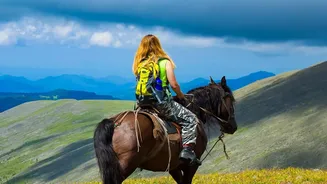
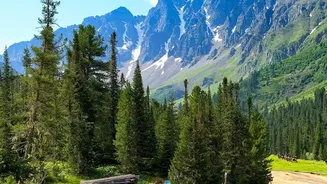
This conservation route isn't a single path but a collection of spectacular destinations. Key locations include the Southern Carpathians in Romania, which are on their way to becoming Europe’s largest wilderness outside the Arctic and home to bears, wolves, and lynx. In Italy’s Central Apennines, you can join wolf-tracking excursions. The Greater Côa Valley in Portugal offers opportunities to see Iberian wolves and wild horses in a gorge-cracked landscape. Other rewilding hotspots are found in Spain's Iberian Highlands, Croatia's Velebit Mountains, and the vast Danube Delta.
Wildlife on the Rebound
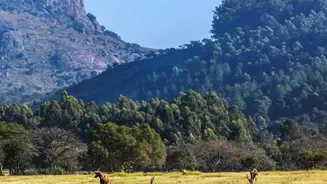
The success of these projects is measured in the return of iconic species. European bison, once hunted to extinction in the wild, now roam Poland’s Bialowieza Forest and Romania's Carpathians. In Spain, the Iberian lynx, once the world's most endangered cat, is making a comeback. Griffon vultures soar over the cliffs of Portugal and Bulgaria, while Marsican brown bears find refuge in the mountains of Italy. A trip to these areas isn't just a holiday; it's a chance to witness the thrilling results of dedicated conservation work firsthand.
Travel with Purpose
Choosing this type of travel has a powerful, positive impact. Every booking contributes directly to rewilding efforts, helping to protect and restore these vital ecosystems. Furthermore, this model of tourism provides a sustainable income for local communities living alongside the returning wildlife. It helps create jobs for local guides and supports nature-based businesses, proving that a healthy environment can sustain a healthy local economy. It’s a holistic approach where visitors, locals, and nature all benefit, turning a simple vacation into a meaningful investment in the planet’s future.