




The Numbers Behind the Boom
The data for October 2026 paints a clear picture of an industry hitting its stride. According to the Federation of Automobile Dealers Associations (FADA), retail sales of electric passenger vehicles reached 37,049 units. This represents a staggering 76.47%
year-on-year (YoY) increase from the 20,995 units sold in October 2025. While the festive season saw a slight dip in the overall passenger vehicle market, the EV segment bucked the trend, showcasing resilient demand. Electric vehicles accounted for 7.3% of all passenger cars sold in October, more than double their 3.5% share from the same month a year ago, signalling a significant shift in consumer preference.
Who is Winning the EV Race?
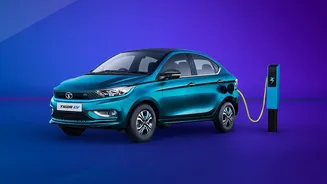
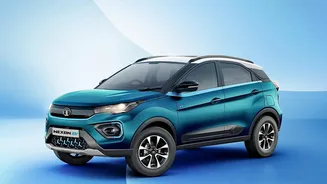
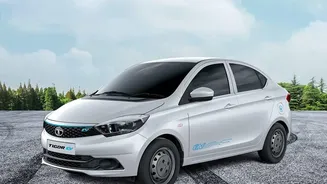
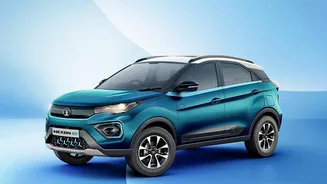
The competition in the Indian EV space is heating up, but Tata Motors continues to hold its dominant position. The company sold 14,669 electric cars in October 2026, marking a 77.6% YoY growth. However, rivals are rapidly closing the gap. Mahindra & Mahindra secured a strong second place with 8,538 units, an impressive 85.7% jump from the previous year. JSW MG Motor also maintained its foothold, selling 5,939 units. Perhaps the most dramatic story is that of Vietnamese automaker VinFast, which sold 2,571 vehicles, a colossal 1,710% increase from its small base in October 2025, demonstrating the market's appetite for new entrants. Even legacy players like Maruti Suzuki are making their presence felt with 1,200 EVs sold.
What's Fuelling the Growth?
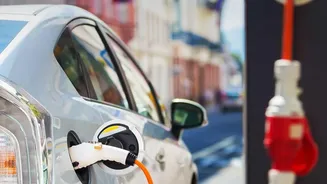
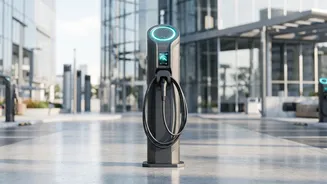
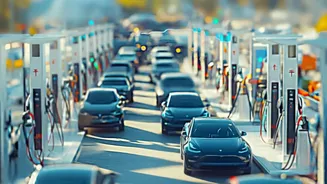
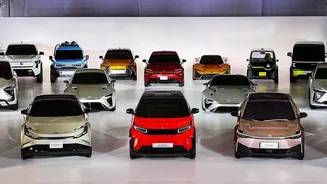
This sales surge isn't happening in a vacuum. A combination of factors is convincing Indian consumers to go electric. Government policies, particularly schemes like PM E-DRIVE which replaced the FAME II program, have played a crucial role by offering subsidies and tax benefits. A lower 5% GST on EVs compared to much higher rates for petrol and diesel cars makes the on-road price more attractive. Simultaneously, the ecosystem is maturing. An expanding network of public charging stations is helping to ease 'range anxiety', one of the biggest hurdles for potential buyers. Automakers are also flooding the market with a wider variety of models across different price points, from compact city cars to full-size SUVs, giving consumers more choice than ever before.
The Road Ahead: Challenges Remain
Despite the celebratory sales figures, the path to mass EV adoption has its share of bumps. According to a recent Bain & Company survey, consumer confidence is still a challenge, with concerns about battery reliability, long charging times, and the upfront cost of vehicles cited as major barriers. While the charging network is growing, its reliability and accessibility, especially outside major urban centres and along highways, remains a significant concern for many drivers. The high initial purchase price of an EV compared to its internal combustion engine counterpart is another hurdle, although lower running costs and government incentives help offset this over time. For the industry to maintain this momentum, addressing these core consumer concerns through better technology, more robust infrastructure, and continued policy support will be critical.