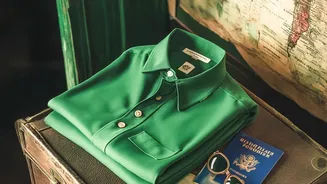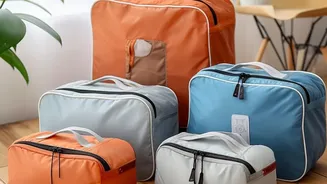








What Is the 5-4-3-2-1 Formula?
Born from the minimalist travel movement and popularized on social media, the 5-4-3-2-1 method provides a simple framework to build a travel capsule wardrobe. While the specific items can vary, a common version includes packing: five tops, four bottoms,
three pairs of shoes, two layering pieces (like jackets or sweaters), and one set of accessories (like a hat or belt). The entire concept is designed to fit into a carry-on, making it ideal for trips of about a week, or even longer if you have access to laundry facilities. The goal is to shift your focus from packing specific, one-off outfits to creating a collection of versatile pieces that can be mixed and matched endlessly.
The Allure of Simplicity
The method’s primary appeal is its ability to reduce decision fatigue. For many, staring into an open suitcase triggers a wave of “what if” anxiety, leading to overpacking. This formula replaces that guesswork with a clear, logical structure. When every top works with every bottom, getting dressed becomes effortless, freeing up mental energy to actually enjoy your trip. Proponents claim that with just a handful of items, you can create dozens of different outfits, proving that the best travel wardrobe isn’t about having more options, but better ones. It forces you to pack smarter, choosing items that are true workhorses rather than just taking up space.
Where the Formula Falls Short
Despite its neatness, the 5-4-3-2-1 formula is not a universal solution. The central critique is that it’s too rigid for the realities of diverse travel. A week-long business trip to a major city requires a different wardrobe than a two-week trekking holiday or a beach resort vacation. The prescribed numbers don't always account for specific needs, like multiple formal events, extreme weather, or specialized gear. For example, a trip to a cold climate might require more than two layering pieces and bulkier shoes that defy the minimalist ethos. Similarly, someone on a tropical getaway might need more swimwear and fewer bottoms. The one-size-fits-all approach often fails to consider the purpose and climate of the destination.
How to Adapt the Rule for You
The key to successfully using the 5-4-3-2-1 method is to treat it as a flexible guideline, not a strict rule. The beauty of the formula lies in its adaptability. Before you even think about the numbers, start with your destination and itinerary. Ask yourself practical questions: What will the weather be like? What activities do I have planned? What is the cultural dress code? Once you have those answers, you can adjust the categories. Heading to the beach? Maybe your formula becomes 5 tops, 3 bottoms, 3 pairs of shoes (sandals, casual, dressy), 2 swimsuits, and 1 cover-up. For a business trip, the “layers” might become a blazer and a cardigan, and the shoes might include a formal pair. The numbers are less important than the principle of versatility.
Beyond the Numbers Game
Ultimately, the most effective packing strategy is a personal one. While formulas like 5-4-3-2-1 are excellent starting points for curbing chronic overpacking, the real secret is building a travel capsule wardrobe based on your own style and needs. The core principle is simple: every piece must earn its place by being versatile. Choose a coordinating color palette, focusing on neutral bases that allow for easy mixing and matching. Prioritize fabrics that are comfortable, resist wrinkles, and can be layered. Instead of rigidly sticking to a number, focus on the function of each item. Can that shirt be dressed up for dinner and down for sightseeing? Do those pants work with all three pairs of shoes you’re bringing? Answering these questions will serve you better than any fixed formula.