

The Two Stars: Drumstick and Dal
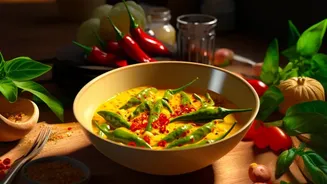
The heart of this soup lies in its two primary ingredients. The 'drumstick' is the long, slender seed pod of the Moringa oleifera tree, often called the 'miracle tree'. Native to the Indian subcontinent, this vegetable is known scientifically as Moringa oleifera and
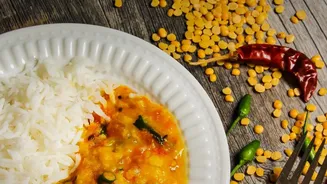
locally as 'sahjan' or 'shinga'. Its flavour is mild, with a slightly sweet and earthy undertone similar to green beans or asparagus. The pods are typically cut into pieces, and the tender flesh and seeds inside are consumed, while the tough outer skin is often discarded after chewing. The second star, 'dal', refers to dried, split pulses—a cornerstone of Indian cooking. While various lentils can be used, this soup often features moong dal (split yellow gram) or toor dal (pigeon peas). Moong dal is prized for cooking quickly and blending into a smooth, creamy consistency, while toor dal offers a nutty flavour. Together, the tender drumstick and earthy dal create a foundation that is both hearty and wholesome.
A Powerhouse of Nutrition
This soup is celebrated not just for its taste but for its impressive health benefits. The drumstick pod is exceptionally rich in Vitamin C; a 100-gram serving can provide over 150% of the daily recommended intake. It is also a good source of potassium, magnesium, and dietary fibre. Moringa, in both its leaf and pod form, contains antioxidants and compounds that are believed to have anti-inflammatory properties and support blood sugar balance. The leaves, which are sometimes also added, are packed with iron and calcium. Lentils, meanwhile, are a fantastic source of plant-based protein and fibre, which aids in digestion and promotes a feeling of fullness. This combination of protein and complex carbohydrates provides sustained energy. When paired together, drumstick and dal create a soup that supports immunity, bone health, and overall wellness, making it a true superfood in a bowl.
The Simple Art of Preparation
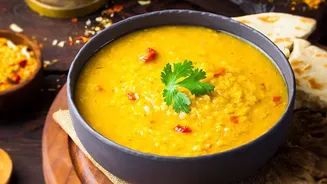
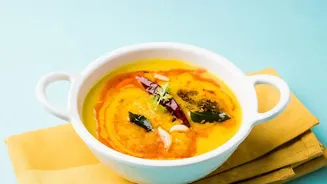
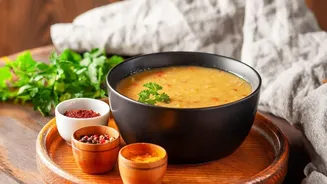
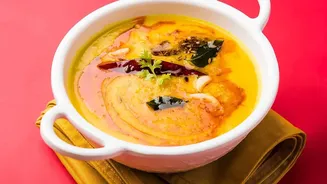
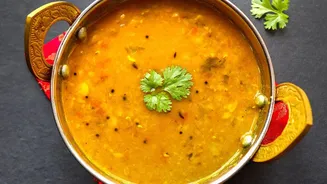
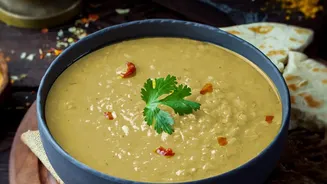
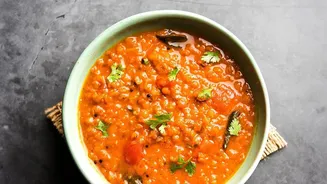
Making this soup is a straightforward process, typically starting in a pressure cooker. The dal is cooked along with chopped drumsticks, aromatics like onion, tomato, ginger, and garlic, and a pinch of turmeric. Some recipes use whole spices like pepper, cloves, and cinnamon during this initial cooking stage. Once the ingredients are tender, the mixture is often blended. A crucial step follows: straining the puree through a sieve to remove the tough, fibrous parts of the drumstick, leaving behind a smooth, flavourful pulp. This ensures the soup has a pleasant texture without any stringiness. The strained liquid is then gently reheated, and the final magic happens with a 'tadka' or tempering. This involves sizzling mustard seeds, cumin seeds, and sometimes a pinch of asafoetida (hing) in hot oil or ghee and pouring it into the soup. This finishing touch blooms the spices, releasing their aromatic oils and adding a complex layer of flavour. A garnish of fresh coriander leaves completes the dish.
How to Enjoy This Versatile Dish
While it is called a soup, this preparation's role can vary. In many Indian households, it's served as a nourishing starter to a meal, appreciated for its warming and easily digestible nature. However, it is also frequently served as a main course, much like a traditional dal or sambar. In this form, it acts as a 'kulambu' or gravy-based dish in South Indian cuisine, perfectly paired with steamed rice. A dollop of ghee on top can enrich its flavour even further. The soup is comforting when one is feeling under the weather, providing hydration and essential nutrients for recovery. Its gentle spices and wholesome ingredients make it a comforting meal for any occasion, from a quick weeknight dinner to a restorative lunch.