

The Science of the Perfect Puff
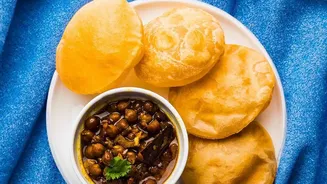
The magic of a ballooning poori isn't magic at all; it's simple food science. When the rolled-out dough is dropped into very hot oil, the moisture within the dough quickly turns into steam. This rapidly expanding steam needs to escape, but it gets trapped
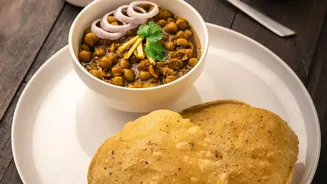
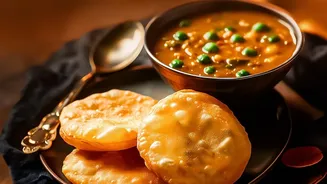
between the two layers of the dough. The key is the gluten in the wheat flour, which forms an elastic network when kneaded. This elasticity allows the dough to stretch and inflate under the pressure of the steam, creating that iconic puffed shape. If everything is just right—the dough, the rolling, and the heat—the poori swells up beautifully. The outer surface cooks and hardens almost instantly, locking the steam inside.
It All Starts with the Dough
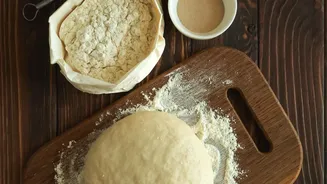
Before you even think about frying, the foundation of a great poori is the dough. Unlike the soft, pliable dough for rotis, poori dough must be firm and stiff. This is achieved by using less water during kneading. A stiff dough prevents the pooris from absorbing too much oil, which can make them greasy and prevent them from puffing properly. Many recipes also recommend adding a tablespoon of fine semolina (sooji) to the flour, which helps the poori hold its puffed shape for longer and adds a subtle crispness. Knead the dough for about 7-8 minutes until it is smooth but firm, then let it rest for 15-30 minutes. This resting period allows the gluten to relax, making the dough easier to roll out evenly without cracks.
Rolling for Uniform Inflation
How you roll the poori is just as critical as the dough itself. The goal is a disc of even thickness, about 1-2mm. If a poori is rolled too thin, it won't have enough moisture to create the steam needed to puff and may turn out crispy like a papad. If it's too thick, it may remain doughy inside and fail to inflate. One common mistake to avoid is using dry flour for dusting the dough while rolling, as the excess flour can burn in the hot oil, giving it a bitter taste and sticking to subsequent pooris. Instead, lightly grease your rolling surface and the dough balls with a few drops of oil to prevent sticking. This keeps your oil clean and ensures a smooth surface on the poori.
The Magic of the Gentle Press
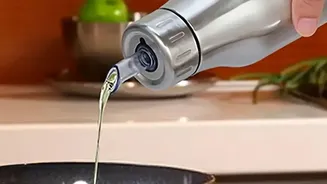
Now for the main event. Heat the oil in a kadhai or deep pan until it's very hot; you can test this by dropping a tiny piece of dough into the oil—it should sizzle and rise to the top immediately. Slide the rolled-out poori gently into the oil. As it floats to the surface, this is where the gentle press comes in. Using the back of a slotted spoon, lightly press down on the center of the poori, submerging it for a moment. This action ensures that the entire surface of the poori is in contact with the hot oil, promoting rapid and even steam generation. The trapped steam then does its work, causing the poori to balloon. Once it starts to puff, you can flip it over to cook the other side until golden brown. Some cooks also find success by splashing hot oil over the top of the poori, which achieves a similar effect of heating both sides simultaneously.
Common Pitfalls to Avoid
If your pooris are still refusing to puff, it's likely due to one of a few common issues. The most frequent culprit is oil that isn't hot enough. If the oil is too cool, the steam forms too slowly, and the dough will absorb a lot of oil instead of puffing. Another reason could be that the dough is too soft, leading to greasy, flat results. Conversely, dough that is too dry and hasn't rested can crack when rolled, allowing steam to escape. Lastly, ensure you are using fresh dough. Dough that has been refrigerated tends to absorb more oil and doesn't puff as well as a freshly made batch.