



Your First Step: Map Your Light
Before you even think about visiting a nursery, take a moment to assess the light in your home. The direction a window faces determines the intensity and duration of sunlight it receives. This single factor is the most crucial element for a plant's health.
A south-facing window in a bedroom has more in common with a south-facing kitchen window than a north-facing one in the same room. You can use a compass app on your phone to determine which way each of your windows faces. This simple act of mapping your light transforms you from an impulse buyer into a strategic plant parent, ready to choose plants that will actually thrive in your specific environment.
The North-Facing Window: Gentle and Consistent
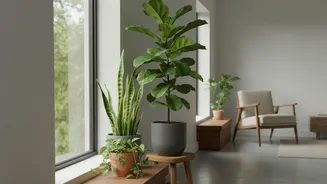
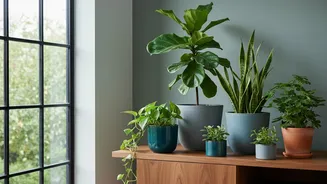
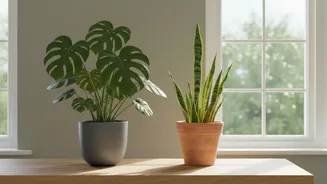
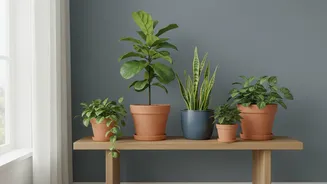
North-facing windows offer the least intense light, providing soft, indirect brightness throughout the day without any harsh, direct sun. This makes them perfect for plants that are adapted to lower-light conditions on a forest floor. While you won't be growing any sun-worshipping cacti here, this gentle exposure is ideal for many popular foliage plants. Great choices for this orientation include the hardy Snake Plant (Sansevieria trifasciata), the nearly indestructible ZZ Plant (Zamioculcas zamiifolia), and the versatile Pothos (Epipremnum aureum). Peace Lilies (Spathiphyllum) can also do well here and may even produce their signature white spathes in this lower light.
The East-Facing Window: The Perfect Morning Sun
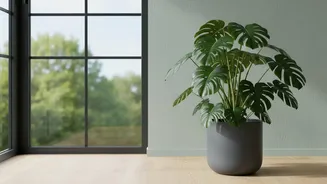
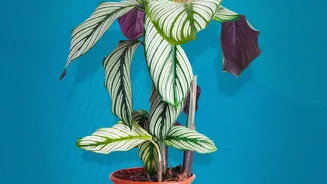
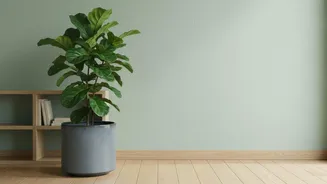
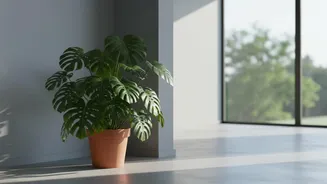
An east-facing window is often considered the sweet spot for a wide variety of houseplants. It receives bright, direct sun in the morning when the rays are softer and less likely to scorch delicate leaves. For the rest of the day, it provides bright, indirect light. This balanced environment is ideal for many tropical plants that enjoy a good amount of light without the stress of intense afternoon heat. Ferns, such as the Boston Fern, thrive here, as do Prayer Plants (Maranta and Calathea), which appreciate the gentle morning rays. Other excellent candidates include the popular Fiddle Leaf Fig, Monsteras, and many types of Philodendron and Hoya.
The South-Facing Window: A Paradise for Sun Lovers
South-facing windows deliver the most powerful and prolonged light exposure, especially during the winter months when the sun is lower in the sky. This is the prime real estate for plants that crave sun. Think desert dwellers and sun-drenched tropicals. Succulents and cacti of all kinds will be happiest here. Sun-loving plants like Jade Plants (Crassula ovata), Aloe Vera, and vibrant Crotons will also thrive in the bright, direct light. For more sensitive plants, the intense light can sometimes be too much, so you might consider placing them a few feet back from the glass or diffusing the light with a sheer curtain.
The West-Facing Window: Hot Afternoon Rays
Like a south-facing window, a western exposure gets a lot of direct sun, but it arrives in the afternoon when the sun is at its most intense and hottest. This environment is best for heat-tolerant plants that can handle strong, direct rays. Many succulents and cacti that flourish in southern windows will also do well here. Plants with large, dramatic foliage that appreciate warmth, such as Bird of Paradise (Strelitzia) and some Ficus varieties like the Rubber Tree, are good choices. Flowering plants like geraniums can also be very happy in a west-facing spot, using the intense light to produce blooms.