





A Once-in-a-Century Discovery
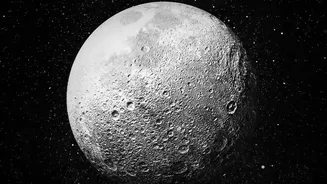
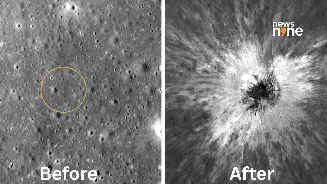
Scientists have named the massive new feature McGetchin crater, after the late lunar scientist Thomas McGetchin. The crater measures approximately 728 feet (222 meters) across and 141 feet (43 meters) deep—larger than the Roman Colosseum. Such a significant
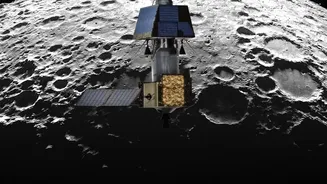
impact is estimated to occur only about once every century, making this an exceptionally rare event to capture. The crater was first identified by an analyst sifting through the vast amounts of data sent back by NASA's Lunar Reconnaissance Orbiter (LRO), a spacecraft that has been mapping the Moon for over 17 years. By comparing images taken before and after, researchers pinpointed that the impact occurred sometime between April and May of 2024, though the feature itself wasn't confirmed until much later.
Rethinking 'Biggest' and 'Newest'
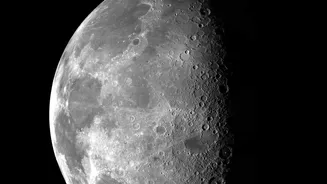
While McGetchin is the largest newly formed crater ever observed by the LRO, it's a cosmic infant compared to the Moon's ancient giants. The largest known impact basin in the entire solar system is the Moon's own South Pole-Aitken basin, a colossal scar stretching roughly 2,500 kilometers (1,600 miles) across and over 8 kilometers deep. That ancient basin was formed billions of years ago. The significance of McGetchin crater isn't its overall size, but the fact that it's a fresh event. Its discovery makes it three times larger than the previous record-holder for a new impact found by the LRO, giving scientists an unprecedented chance to study the immediate aftermath of a major lunar collision.
An Accidental Find Reveals More
The discovery was something of a happy accident. An image processing specialist noticed an unusual bright spot while performing a routine data check. That spot turned out to be the signature of the impact. The object that created it was likely the size of a three- to six-story building. Follow-up studies revealed effects extending far beyond the crater itself. The impact hurled dust and rock across the surface and created a surrounding "cold spot" nearly 7 kilometers wide. Scientists believe the impact decompacted the top layer of lunar soil, or regolith, making it 'fluffier' and less able to hold onto heat during the cold lunar night.
A Window Into the Moon's Mechanics
Studying a fresh impact like this is invaluable. Because the Moon has no atmosphere or weather to erode its surface, craters remain preserved for billions of years, acting as a historical record of the solar system. A new crater allows scientists to watch the initial stages of this preservation process. It provides crucial data on how impacts excavate material, how ejecta is scattered, and how the lunar soil responds to such a violent event. These insights are vital not just for understanding lunar geology, but also for planning future missions. Knowing how the ground is disturbed helps engineers design better rovers and landing equipment for the Artemis program, which aims to establish a long-term human presence on the Moon.