






A Hole of Great Interest
On the lunar surface, in a volcanically diverse region known as the Marius Hills, sits a curious feature: a deep, dark pit. First spotted by Japan's Kaguya spacecraft in 2009, the Marius Hills Pit is a hole measuring roughly 65 by 90 meters across and
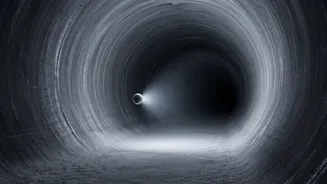
plunging at least 34 meters into the darkness. For years, scientists have looked at this and over 200 other similar pits from orbit, theorizing they could be 'skylights' — collapsed sections of the roof of massive, underground tunnels called lava tubes. These tubes are thought to have formed billions of years ago when the Moon was still geologically active. While orbital data provides tantalizing clues, it can't confirm what lies beyond the shadows. Answering that question is crucial, because these caves could be the key to humanity's future on the Moon.
Meet GIMLI, The Lunar Cave Hunter
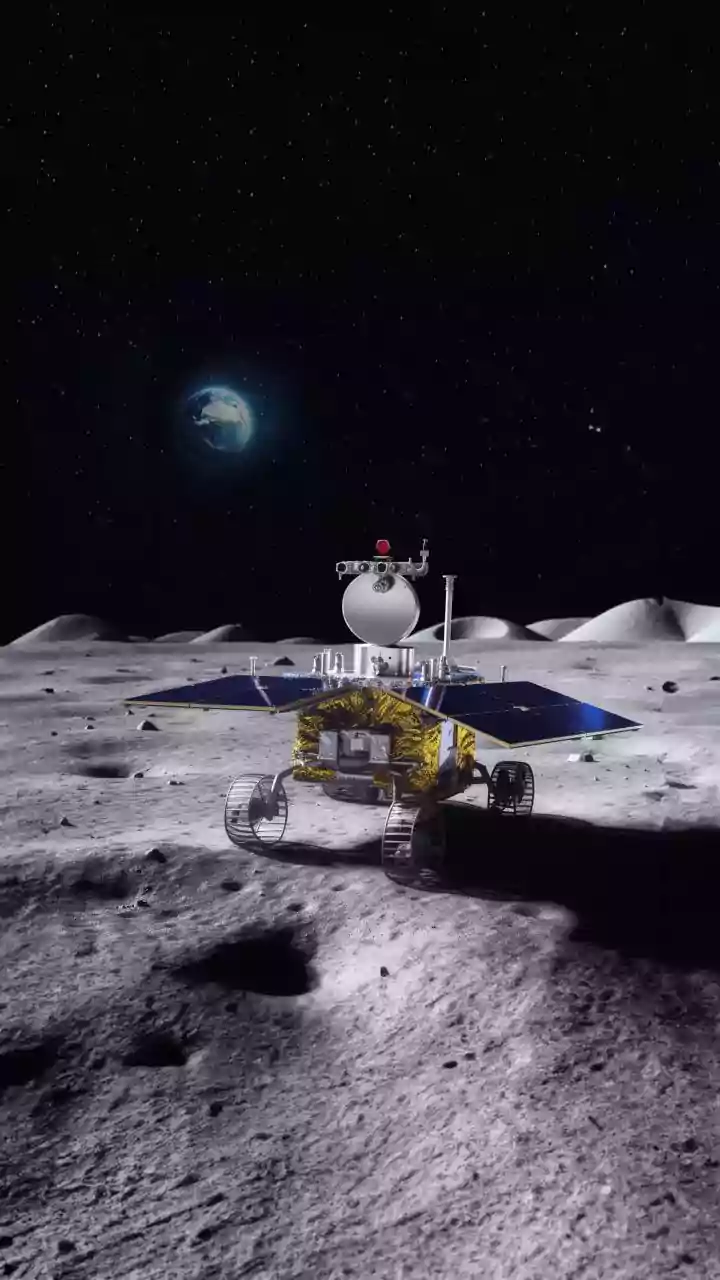
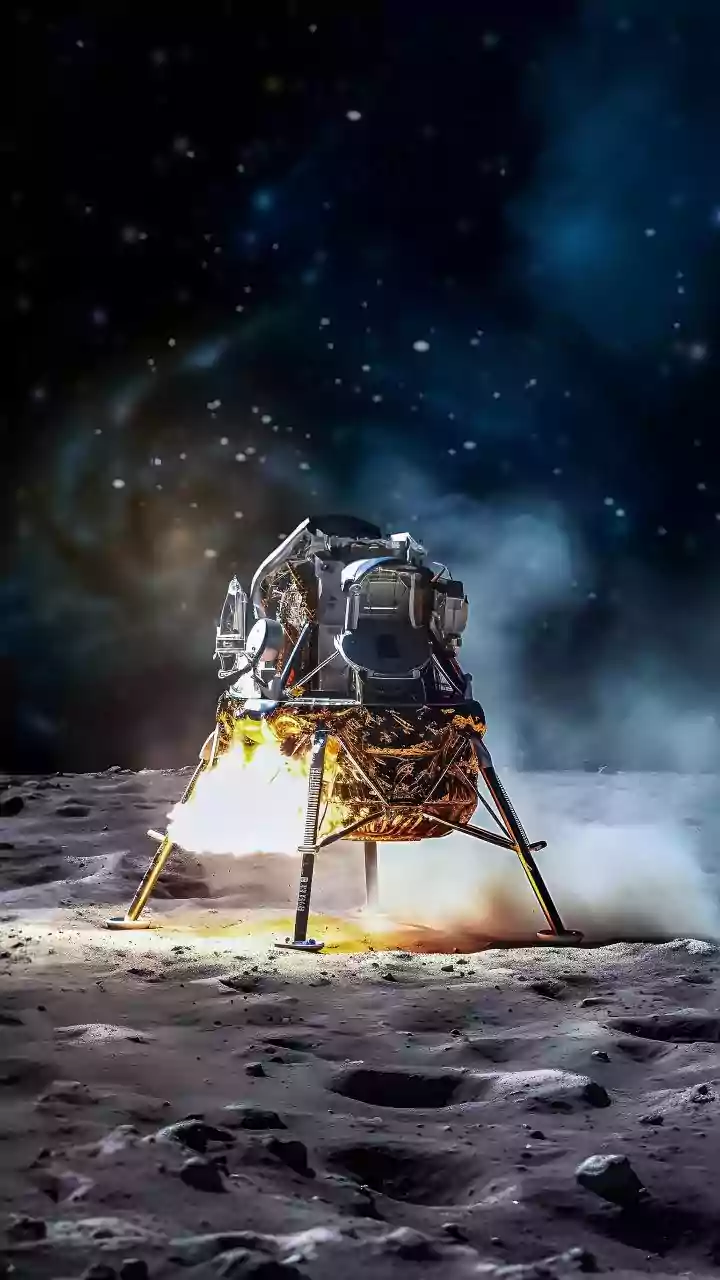
Enter GIMLI, which stands for Geophysical Instruments for Marius Lunar pit Investigation. Selected by NASA in late 2026, this mission is designed to do what orbiters cannot: study the pit directly from the lunar surface. The project is led by the Planetary Science Institute in partnership with companies like Honeybee Robotics and the Norwegian Space Agency. It's part of NASA's broader Commercial Lunar Payload Services (CLPS) initiative, which uses commercial partners to deliver scientific payloads to the Moon. The goal is to deploy a lander and rover near the Marius Hills Pit equipped with a suite of advanced instruments to finally determine if a vast, hidden cave system extends from its base.
A Toolbox for Seeing Underground
So, how do you map a cave without going inside? GIMLI will use three complementary technologies to create a picture of the subsurface. First, a ground-penetrating radar will send electromagnetic signals into the ground, which will bounce off any buried structures or empty voids. Second, the mission will use active seismic sensors. By creating small, deliberate vibrations, scientists can track how the waves travel through the ground; changes in their speed and direction can reveal different densities, like solid rock versus an open cavern. This marks the first intentional use of active-source seismic methods on the Moon since the Apollo era. Finally, a gravimeter will measure tiny fluctuations in the local gravitational field, which can indicate a less-dense area underground — a tell-tale sign of a void. Together, these tools will provide a detailed, multi-layered understanding of what's beneath the surface.
Why Lunar Caves Matter
The search for lunar lava tubes is about much more than geological curiosity; it’s a foundational step for long-term human presence on the Moon. The lunar surface is an incredibly harsh environment. Temperatures can swing wildly from a scorching 127 degrees Celsius to a frigid -173 degrees Celsius. With no significant atmosphere, there is no protection from constant solar radiation or micrometeorite impacts. A subterranean lava tube, however, offers a naturally shielded habitat. Inside a pit in a different region, scientists found that temperatures remain a stable and comfortable 17 degrees Celsius. These caves could provide ready-made shelters for astronauts and their equipment, dramatically reducing the risks and costs associated with building surface habitats. Confirming their existence could revolutionize plans for NASA's Artemis program and the future establishment of a permanent lunar base.