


The Allure of Simplicity
One of Zumba's biggest draws is its low barrier to entry. Unlike workouts that demand expensive machinery or a full rack of weights, you can start Zumba with items you likely already own. The focus is on your body and the rhythm, not on complex gear.
The essential list is short: comfortable, breathable clothing that allows for a full range of motion, a water bottle to stay hydrated, and a positive attitude. This minimalism makes it an incredibly appealing option for those looking to get fit without a significant financial investment. You don't need to build a home gym; you just need to be ready to dance.
The One Piece of Gear That Matters
While you don't need much equipment, the right footwear is non-negotiable. Many beginners make the mistake of wearing running shoes. These are designed for forward motion and often have heavy treads that can grip the floor too much. Zumba involves constant pivoting, twisting, and side-to-side movements. A shoe with too much grip can strain your knees and ankles. Instead, opt for cross-trainers or specific dance sneakers. These shoes provide good ankle support while having a smoother sole that allows you to turn and slide safely, reducing the risk of injury. Investing in proper footwear is the single most important equipment decision you can make for a safe and enjoyable Zumba experience.
The Non-Negotiable: Your Personal Dance Floor
Here is the other side of the coin: what you save on equipment, you must invest in space. Zumba is a full-body, high-energy workout that uses large, expressive movements. Being confined to a small area not only limits your ability to perform the moves correctly—robbing you of the workout's full benefits—but also poses a significant safety risk. Trying to execute a powerful salsa step or a wide cumbia travel in a cluttered space is a recipe for tripping over furniture or pulling a muscle. For a safe and effective at-home session, you need a clear, flat area of at least 6x6 feet, though a 10x10 foot space is even better. This gives you enough room to step, lunge, and turn freely without holding back.
Setting Up for Success at Home
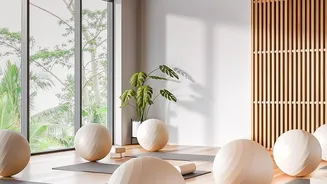
Creating your ideal home Zumba space is straightforward. Start by identifying a room or a corner you can clear of obstacles like coffee tables, chairs, and rugs. Hardwood or laminate floors are ideal, as they provide a smooth surface for dance movements. If you only have carpet, be extra mindful of your footwork to avoid twisting an ankle. For those on hard tile, a large, non-slip mat can provide necessary cushioning. While not essential, placing a mirror where you can see yourself can help you check your form and alignment, making your workout more effective and safer. Finally, ensure you have a good sound system or headphones to let the music drive your energy.
Beyond the Basics: Other Paths to Explore
Classic Zumba Fitness is the perfect entry point, built on infectious Latin rhythms like salsa, merengue, and reggaeton. But the world of Zumba is diverse. Once you're comfortable, you might explore variations that do require some simple equipment. Zumba Toning, for instance, incorporates light hand weights to add an element of strength training and muscle sculpting. Zumba Step uses an aerobic step to increase the cardio intensity and focus on legs and glutes. These classes show how the program can evolve with you, but the core principle remains: the primary focus is on movement, fun, and energy.