







The Planet's Two Faces
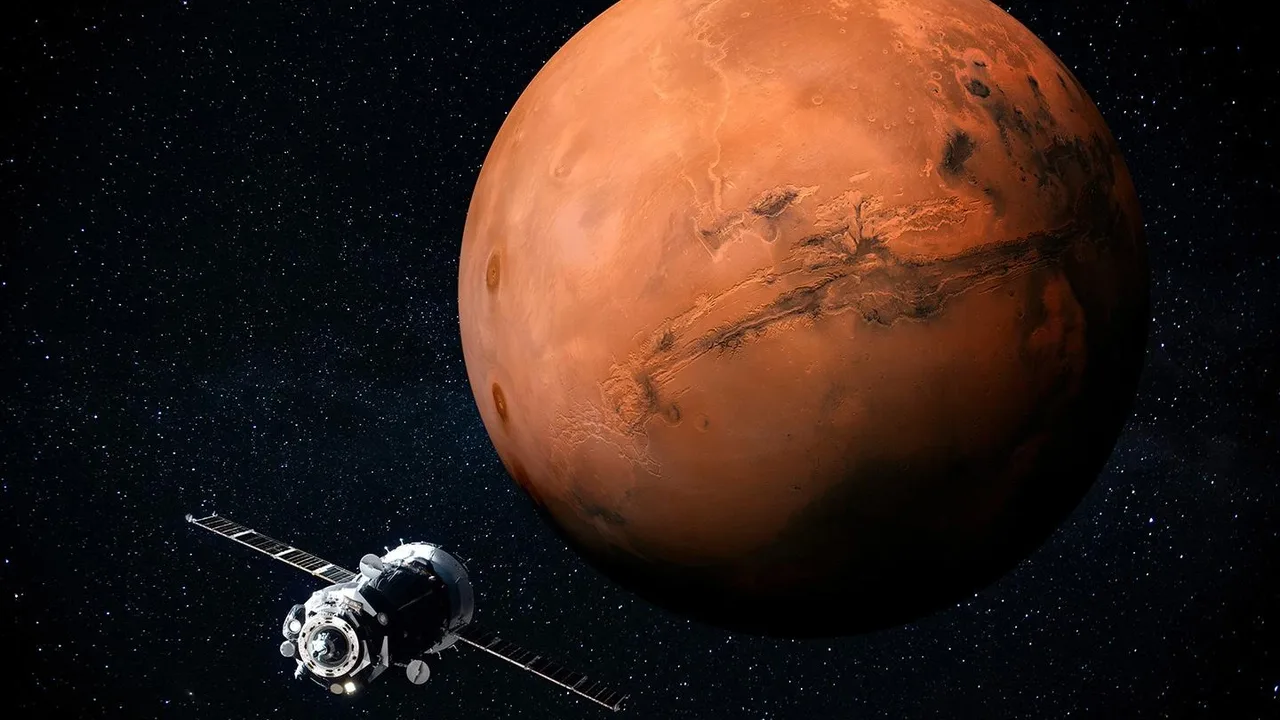
Mars is a planet of striking contrasts. Its northern hemisphere is characterized by smooth, low-lying plains, while the southern hemisphere is a rugged, heavily cratered highland. This dramatic difference, known as the Martian dichotomy, isn't just skin
deep. Recent studies have shown this asymmetry extends far beneath the surface, with the southern hemisphere's interior being significantly hotter than the north's. The southern highlands are pockmarked with giant impact basins—vast craters left by asteroids and comets billions of years ago. These basins, such as Hellas and Argyre, are not just passive features; they are key players in the planet's energy system, influencing how heat moves from the planet's interior and is distributed across its surface.
How Topography Traps Heat
The topography of these basins plays a crucial role. The sheer depth and scale of craters like the Hellas basin, which is deep enough to swallow Mount Everest, can affect the local environment. One way they influence heat is by having a thinner crust. Models show that heat from the planet's interior escapes more readily through the thinner crust of the northern lowlands and the floors of deep impact basins. In contrast, the thicker crust of the southern highlands acts like a blanket, trapping more heat underneath. This contributes to the significant temperature anomaly found deep below the southern half of Mars. This subsurface heat can create environments that are warmer than their surroundings, a factor that is critical when searching for signs of past life.
The Atmospheric Connection
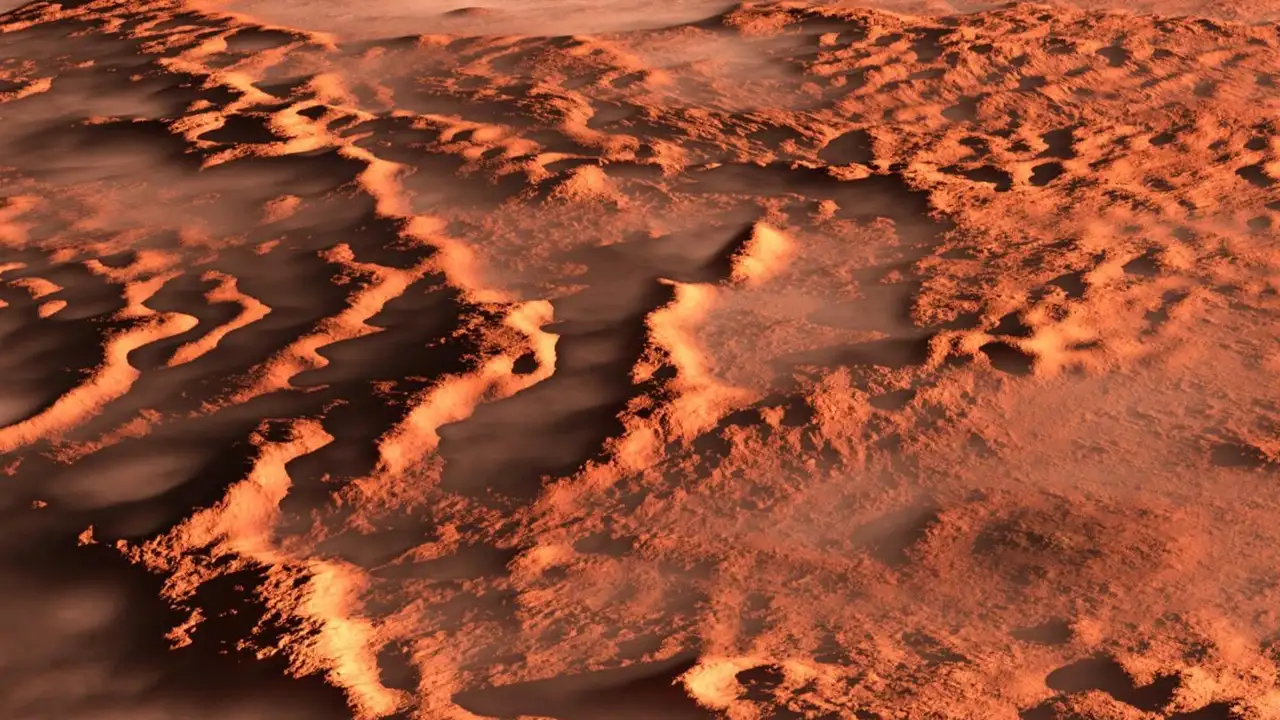
It's not just about what happens below the ground. The interaction between the landscape and Mars's thin atmosphere creates localized climate effects. Although the Martian atmosphere is just 1% as dense as Earth's, it's enough to facilitate weather patterns. The shape of basins and valleys can influence wind circulation and pressure. For instance, air that is forced to rise over crater rims can cool and lead to precipitation, most likely as snow. Conversely, in the depths of a basin, the slightly higher atmospheric pressure can trap air, allowing it to warm more than the surrounding plains, especially in areas that receive more direct sunlight. This phenomenon, where topography dictates local weather, is known as orographic control and it helps create small, potentially more habitable microclimates.
A Window into a Wetter Past
Understanding this heat flow is crucial for piecing together the puzzle of Mars's ancient climate. Geological evidence strongly suggests that early in its history, Mars was a warmer and wetter world, with liquid water flowing across its surface. The immense energy from the impacts that created these basins could have melted subsurface ice and driven hydrothermal activity, creating short-lived warm, wet environments. Some studies suggest that the sustained heat and protection offered by these basins could have supported liquid water for much longer periods than previously thought. These warmer, water-rich basin environments would have been the most likely places for life to emerge, if it ever did on Mars.
Guiding Future Exploration
These findings have profound implications for the future of Mars exploration. Identifying areas with higher subsurface heat flow and more stable temperatures could guide the selection of landing sites for both robotic and human missions. Such locations might not only be more likely to hold clues about past life but could also provide access to resources like water ice, which would be invaluable for future astronauts. By understanding how the planet's geology and atmosphere work together, scientists can better predict where to find the most scientifically interesting and resource-rich locations on the Red Planet, paving the way for the next generation of discovery.