



The Art of Truly Seeing
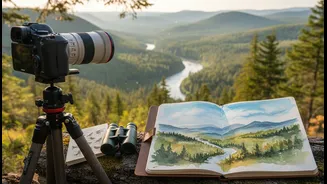
The foundation of this approach is a commitment to observation. So often, we travel with a checklist, rushing from one landmark to another, capturing photos without truly seeing the place itself. This new mindset encourages the opposite. It’s about finding
a spot and simply watching the world unfold. Whether it’s a bustling city market in India or a tranquil viewpoint in the mountains, the act of deliberate observation connects us to our environment. It allows us to notice the small details: the way light filters through the trees, the intricate patterns on a building, or the daily routines of local life. By slowing down and engaging our senses, we move from being a passive tourist to an active participant in our surroundings, creating richer, more lasting memories.
The Transformative Power of Silence
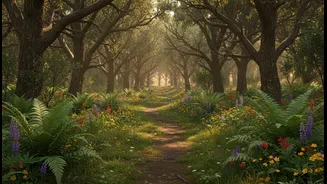
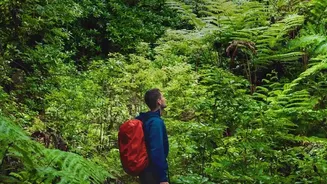
In our perpetually noisy and digitally connected lives, silence has become a rare commodity. Embracing quiet on an outing can be a transformative experience. Practices like silent walking or hiking, sometimes known as 'forest bathing', are gaining popularity for their profound mental health benefits. Studies have shown that spending time in nature without the distraction of conversation, podcasts, or music can significantly reduce stress, lower blood pressure, and improve mental clarity. This quiet allows for a deeper connection with the natural world and with ourselves. It creates space for reflection, creativity, and a sense of peace that is often drowned out by daily noise, helping to calm overstimulated emotions and regulate the nervous system.
Journeys, Not Just Destinations
The idea of prioritising controlled travel over sheer distance reframes the entire purpose of a journey. This is the core of the 'slow travel' movement, a trend seeing significant growth in India and worldwide. It’s not about avoiding long trips, but about changing the goal from covering ground to fostering deep, immersive experiences. This might mean spending a week in a single town instead of visiting five cities, allowing for genuine connection with the local culture, people, and food. This approach reduces the stress and burnout associated with frantic, packed itineraries. By embracing a slower pace, travellers find more enjoyment, foster deeper cultural connections, and often have a lower environmental impact. The focus shifts from a list of things to see to the quality of the experience itself.
A Shift in What We Value
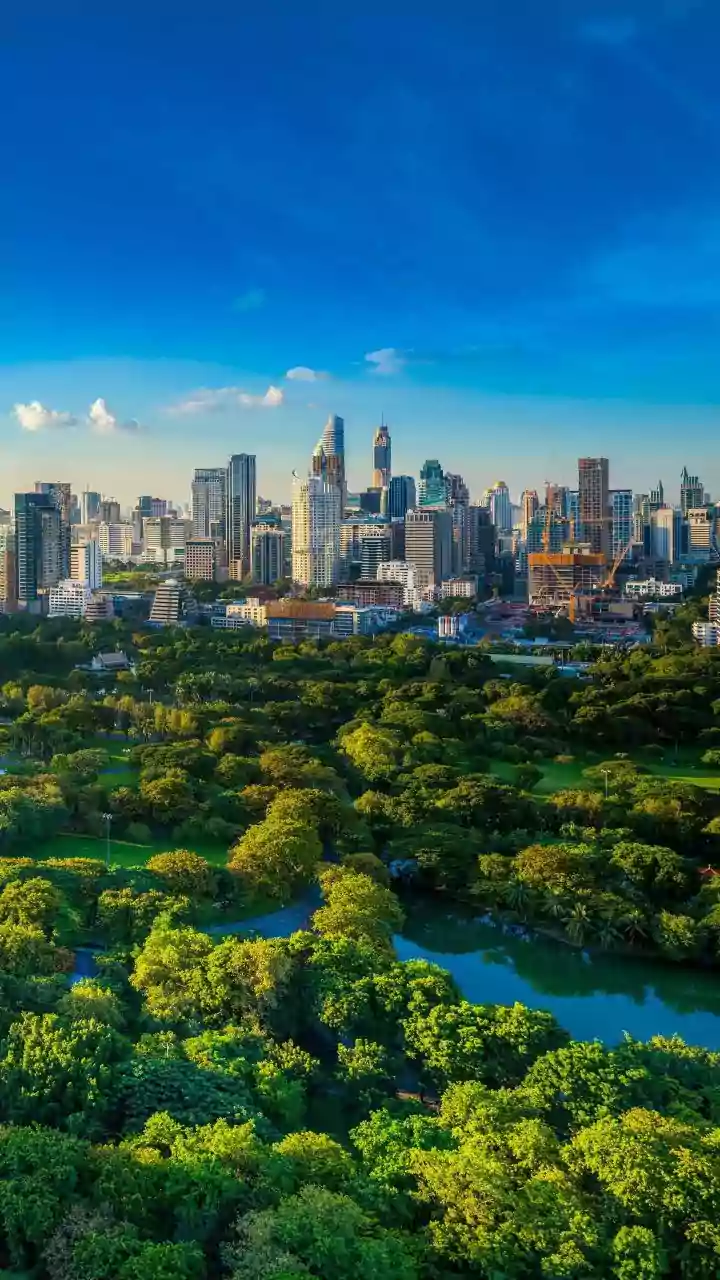
Ultimately, this movement reflects a broader cultural shift towards valuing quality over quantity in all aspects of life, including our experiences. The post-pandemic world has accelerated this trend, with a greater emphasis on mental well-being, personal growth, and authentic living. People are increasingly seeking experiences that offer rejuvenation and transformation rather than just a simple escape. This mindset teaches that a short, mindful walk in a local park can be more fulfilling than a rushed, multi-country tour. It’s about being present and intentional, understanding that the richness of an experience lies in its depth, not its scale. A few high-quality, deep relationships, for example, are known to be more beneficial for well-being than numerous shallow connections, and the same principle applies to our travels.