




The Push for E20 Fuel
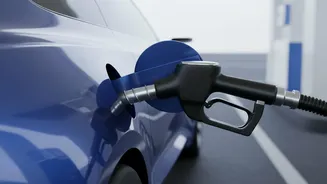
E20 fuel is a blend of 20% ethanol and 80% petrol. India has rapidly adopted this blend, reaching its 20% target years ahead of schedule. The primary goals are to reduce the country's reliance on expensive imported crude oil, lower carbon emissions, and support
the agricultural sector by creating a market for ethanol produced from crops. The government has defended the programme, highlighting its role in strengthening India's energy security and providing a buffer against volatile global oil prices. However, the swift rollout has led to widespread debate among motorists about the fuel's real-world effects on their vehicles.
Decoding the Mileage Drop
One of the most consistent concerns about E20 fuel is its impact on fuel economy, and on this point, official sources have provided concrete figures. The government has acknowledged that vehicles may experience a drop in mileage. Statements from different ministries, citing studies by bodies like the Automotive Research Association of India (ARAI), place the estimated reduction in fuel efficiency at between 2% and 6%, depending on the vehicle's age and type. This happens because ethanol contains less energy per litre than petrol, so the engine needs slightly more fuel to produce the same power. While some users on social media have reported much higher losses, official tests and data point to a more modest, single-digit percentage drop.
Addressing Engine Health Concerns
The more alarming claim is that E20 causes significant engine damage. Here, the government's position is firm: there is no widespread, verified evidence of E20 causing abnormal engine wear, corrosion, or reduced vehicle life in the vast majority of vehicles. Citing data from major manufacturers, officials point out that millions of vehicles, including many older models not originally certified for E20, have been serviced without showing any E20-linked corrosion or component failure. A leading manufacturer reported servicing 2.84 crore vehicles in fiscal year 2025-26, including 1.5 crore older vehicles, with no signs of E20-related damage.
The Nuance with Older Vehicles
While officials have refuted claims of widespread engine destruction, some studies and government acknowledgements introduce a crucial nuance, particularly for older vehicles not designed for E20. An unpublished ARAI report suggested that prolonged E20 use in E10-compliant vehicles could accelerate the deterioration of certain rubber and plastic components like fuel hoses, seals, and gaskets. This is due to ethanol's more corrosive nature compared to petrol. Officials have noted that these parts may need earlier replacement, but they classify this as a routine, low-cost service item rather than a catastrophic engine failure. Studies also confirmed E20 had no adverse impact on metallic components.
Your Vehicle and E20
For owners, the key takeaway is the distinction between vehicle types. All cars and two-wheelers sold in India since April 2023 are fully E20-compliant, meaning they were designed and built to handle the fuel without any issues. For vehicles made before this date, the situation is more varied. While the government and manufacturers state there's no evidence of widespread engine failure, owners of these 'legacy' vehicles may experience the 2-6% drop in mileage and should be mindful that some rubber components might age faster. Manufacturers have confirmed that using specification-compliant E20 fuel does not void vehicle warranties.