






A New Star on the Wildlife Map
The Gujarat state government has officially received the green light for an ambitious new project: a massive desert-themed zoological park and night safari. After getting approval from the Central Zoo Authority (CZA), the path is clear for the development
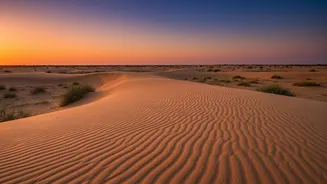
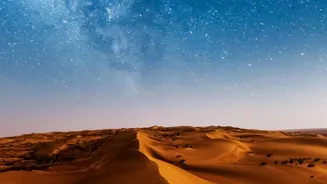
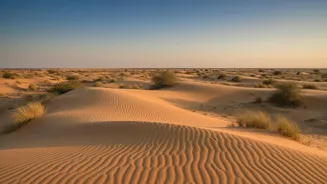
to begin in Juna Deesa, located in the Banaskantha district of North Gujarat. Spanning a vast 103 hectares of government land, this facility is more than just a zoo; it's a pioneering effort to blend wildlife conservation with a unique tourism experience. The project carries an estimated cost of ₹542.14 crore and will be developed by the Gujarat Forest Department. Officials selected the Deesa site for its natural sand dunes and proximity to the Banas river, offering an authentic desert backdrop.
What to Expect After Sunset
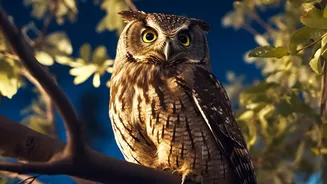
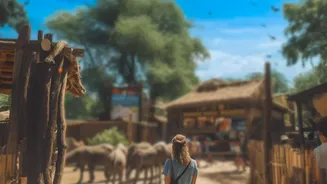
The main attraction is the international-standard, drive-through night safari, a first for a desert environment in Asia. This feature will allow visitors to observe nocturnal animals in specially designed enclosures that mimic their natural habitats after dark. While details on the vehicles are forthcoming, similar projects in India plan to use quiet, battery-operated trams with simulated moonlight to avoid disturbing the animals. The park will be divided into a day zoo and five dedicated night safari enclosures, giving guests a comprehensive look at wildlife around the clock. The entire park is designed to showcase the unique desert ecosystem, with landscaping that reflects the natural arid terrain of the region.
Meet the Desert Dwellers
The zoological park is planned to be a sprawling home for approximately 2,700 animals from 83 different native and exotic species. A significant focus will be on animals native to India's dry and desert regions. The proposed list of Indian species includes majestic animals like the Asiatic lion and leopard, alongside desert specialists such as the chinkara, blackbuck, and the iconic Indian wild ass. Smaller, more elusive nocturnal creatures like the Indian porcupine, caracal, Indian wolf, striped hyena, and the Indian desert fox will also be featured, giving visitors a rare glimpse into their after-dark lives. In addition to local fauna, the park also plans to house species from other desert ecosystems around the world, offering a truly global wildlife experience.
More Than Just an Attraction
Beyond the visitor experience, the Desert Zoological Park and Night Safari is a multi-faceted conservation project. According to officials, it will serve as a vital centre for the conservation breeding of various species, as well as a hub for wildlife rescue and rehabilitation. The facility aims to be a leader in environmental education and the scientific interpretation of nature. The project is also expected to be a major economic driver for North Gujarat, promoting ecotourism and creating significant employment opportunities in the Banaskantha region and beyond. It represents a key part of the state's broader strategy to enhance its wildlife conservation initiatives.