

From Recipe Follower to Intuitive Cook
Most of us learn to cook by following recipes to the letter. A recipe is a detailed guide for a specific dish, listing exact ingredients and measurements. This is great for consistency, but it can be limiting. A recipe template, on the other hand, is a flexible
framework. It focuses on the method and the ratios of core components, empowering you to swap ingredients based on what’s fresh, what’s in your pantry, or what you're in the mood for. Thinking in templates is the difference between knowing how to make one specific chicken dish and knowing how to cook any piece of chicken perfectly.
The Power of Ratios
One of the most powerful template concepts is ratio cooking, a practice championed by chefs and authors like Michael Ruhlman. Instead of memorizing dozens of vinaigrette recipes, you simply learn the ratio: three parts oil to one part acid. With that knowledge, you can create endless variations. Olive oil and lemon juice today, sesame oil and rice vinegar tomorrow. The same principle applies to countless preparations. A basic dough might be a ratio of flour and water. A simple cookie dough can be remembered as 1-2-3: one part sugar, two parts fat, and three parts flour. Mastering these simple codes unlocks thousands of potential dishes.
Mastering the Method, Not Just the Meal
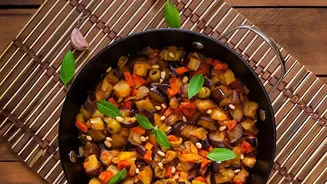
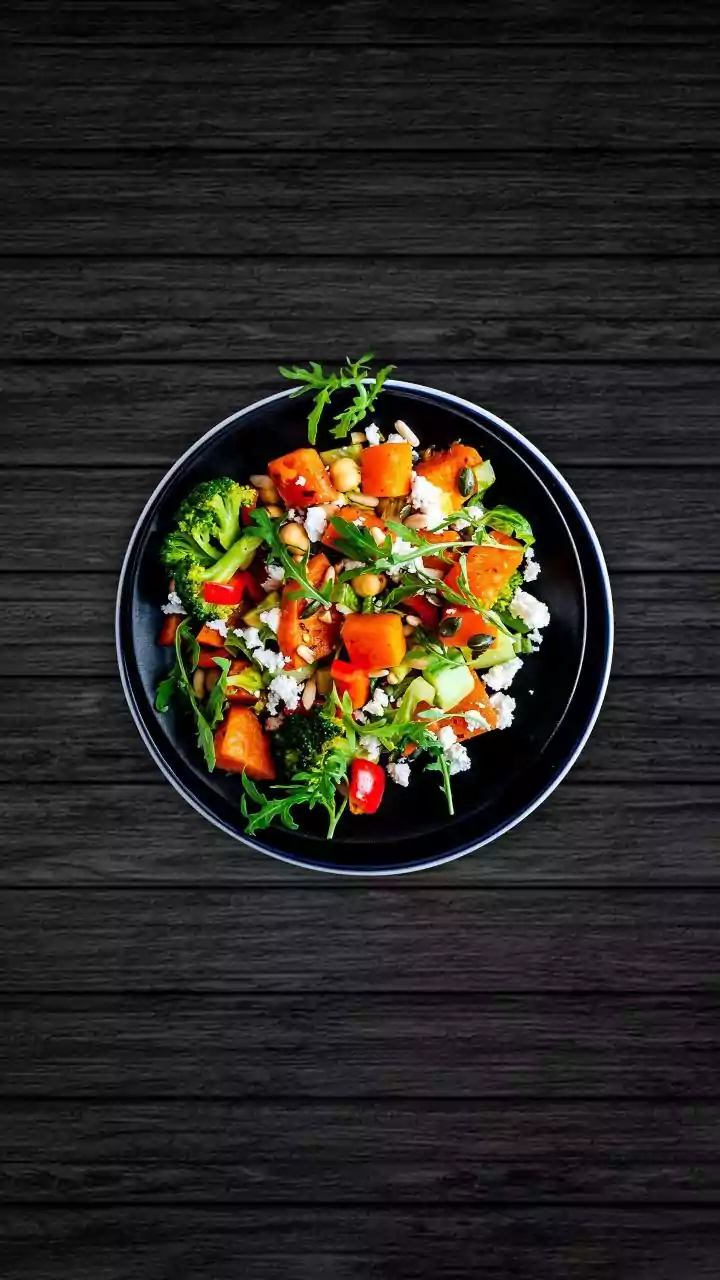
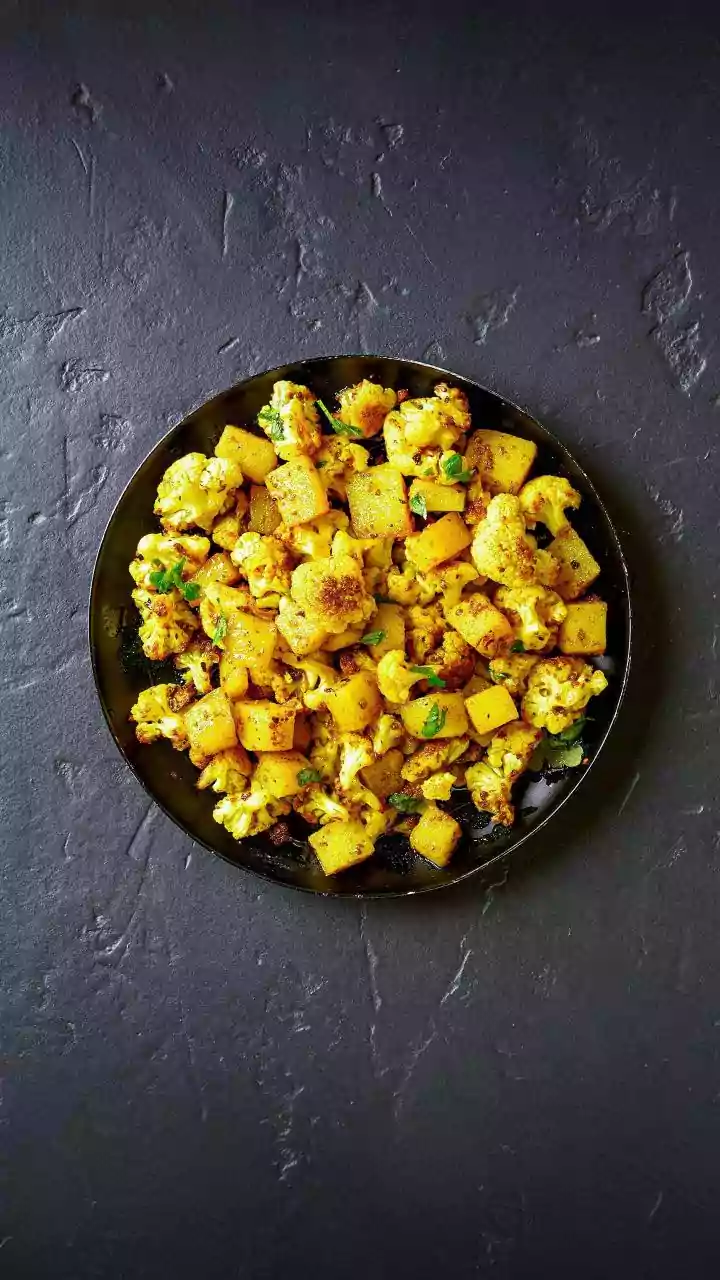
Think about a simple stir-fry. A recipe might call for broccoli, carrots, and chicken breast. But a stir-fry template focuses on the technique: high heat, aromatics first (like ginger and garlic), then hard vegetables, followed by quick-cooking vegetables and protein, and finally a sauce. Once you understand this method, the ingredients become interchangeable. No broccoli? Use capsicum. No chicken? Try paneer or tofu. This approach allows for incredible creativity and drastically reduces food waste, as you can build a delicious meal around what needs to be used up.
Building Your Flavour Toolkit
To cook with templates effectively, it helps to have a well-stocked pantry of flavour-builders. This doesn't mean buying a thousand obscure spices. It means understanding the building blocks of taste: salt, fat, acid, and heat. Having a good cooking oil, a flavourful fat like butter or ghee, a variety of acids (lemon juice, different vinegars), and a few key spices is all you need to start. From there, you can build your toolkit with things like soy sauce for umami, mustard for pungent heat, or yogurt for creamy tang. These are your tools for improvisation.
When to Stick to the Script
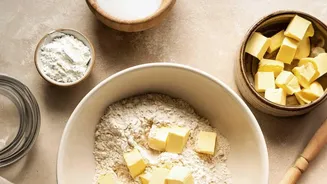
While templates are liberating for most cooking, some disciplines demand precision. Baking, in particular, is a science. The ratio of flour, fat, sugar, and leavening agents in a cake is a chemical equation. While you can swap out chocolate chips for nuts in a cookie, changing the amount of flour or baking soda can lead to a disaster. For this reason, it’s best to follow baking recipes closely until you are experienced enough to understand the role each ingredient plays. For general cooking, however, the template approach offers a path to more freedom and fun in the kitchen.