







Why That Small Patch Is a Big Deal
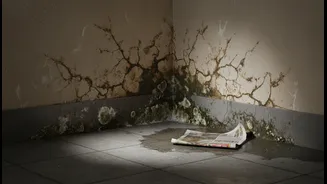
A permanently damp corner is a red flag indicating that unwanted moisture is getting into your home and staying there. Initially, it ruins aesthetics, causing paint to bubble and plaster to flake. But the unseen dangers are far worse. This persistent
moisture can weaken the structural integrity of your walls over time. More importantly, it creates the perfect breeding ground for mould and mildew. Exposure to mould can lead to a range of health issues, including allergies, coughing, respiratory problems, and eye irritation, especially for children and the elderly. That small patch is essentially a gateway for bigger structural and health hazards.
Finding the Source of the Dampness
To solve the problem, you first need to play detective and find the source. In Indian homes, dampness often stems from a few common culprits. Penetrating damp happens when rainwater seeps in through cracks in external walls or around window frames, a common issue after heavy monsoons. Another cause is rising damp, where groundwater travels up through the brickwork because of a faulty or non-existent damp-proof course. Finally, hidden leaks from plumbing in bathrooms and kitchens are a major cause of localised dampness that can appear far from the actual leak.
The Telltale Signs of a Problem
Beyond the obvious wet patch, there are other clues to look for. A persistent musty odour is a classic sign of trapped moisture and potential mould growth. Check for discolouration or dark stains on the walls, which can be yellow or brown. Gently press on the wall; if it feels soft, spongy, or crumbles, water damage is likely significant. Also, look for efflorescence, a white, powdery, salt-like deposit on the surface of walls, which indicates that water is evaporating from the surface.
Your Action Plan: DIY vs. Calling the Pros
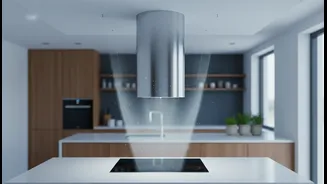
What you do next depends on the cause. If the dampness is from condensation in a poorly ventilated room like a bathroom or kitchen, improving air circulation by opening windows or using an exhaust fan can help. Using a dehumidifier can also effectively reduce indoor moisture levels. For small, localised issues like a minor crack, DIY-friendly waterproof putties and sealants can offer a temporary solution. However, if you suspect a plumbing leak, see widespread dampness, or notice large cracks, it is crucial to call professional waterproofing experts. They have the tools, like moisture meters and infrared cameras, to accurately diagnose the source and provide a lasting solution, which is far cheaper than dealing with major structural repairs later.
Prevention Is the Best Cure
The best way to deal with dampness is to prevent it in the first place. Before the monsoon season, inspect your home’s exterior walls and roof for any cracks and have them sealed. Ensure that your terrace and balconies have a proper slope so water drains away and doesn't pool. Inside, maintain good ventilation throughout the house to prevent condensation build-up. Regularly check under sinks and around toilets for any signs of small leaks before they become big problems. A little vigilance goes a long way in keeping your home dry, safe, and healthy.