



What Exactly Is This LNG Train?
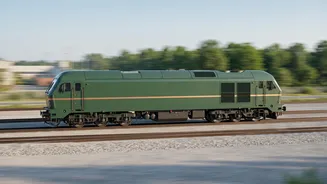
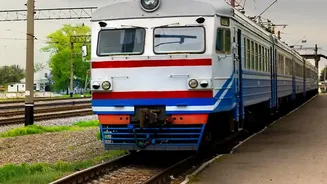
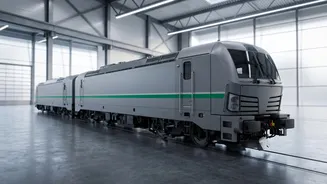
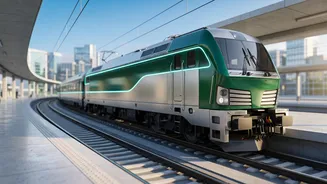
The train in question is a Diesel Electric Multiple Unit (DEMU) that now runs on a dual-fuel system, combining LNG with diesel. This isn't a train built from scratch; rather, two existing 1,400-horsepower Driving Power Cars (DPCs) were retrofitted at the Sabarmati
Integrated Coaching Depot in Gujarat. The technology allows the engine to substitute up to 40% of its diesel consumption with LNG. This eight-coach train, which had its inaugural run between Sabarmati and Mahesana, is designed to switch between the two fuels, ensuring operational flexibility. Before its official launch in late September 2026, the converted power cars successfully completed over 2,000 kilometres of field trials to test their performance and reliability.
Why Experiment With LNG?
The primary motivation behind this trial is twofold: cost and environment. LNG is a cleaner-burning fuel than diesel, and its use is expected to reduce emissions of carbon dioxide, nitrogen oxides (NOx), and particulate matter. From a financial perspective, the railways anticipate significant savings. Based on trial data, using LNG could save approximately ₹23.9 lakh annually for an eight-coach rake. By reducing dependence on conventional diesel, Indian Railways aims to lower its substantial fuel bill and decrease its reliance on imported crude oil. This initiative is part of a broader push to explore various alternative fuels, which also includes a hydrogen-powered train launched earlier in 2026.
A Bridge, Not a Destination
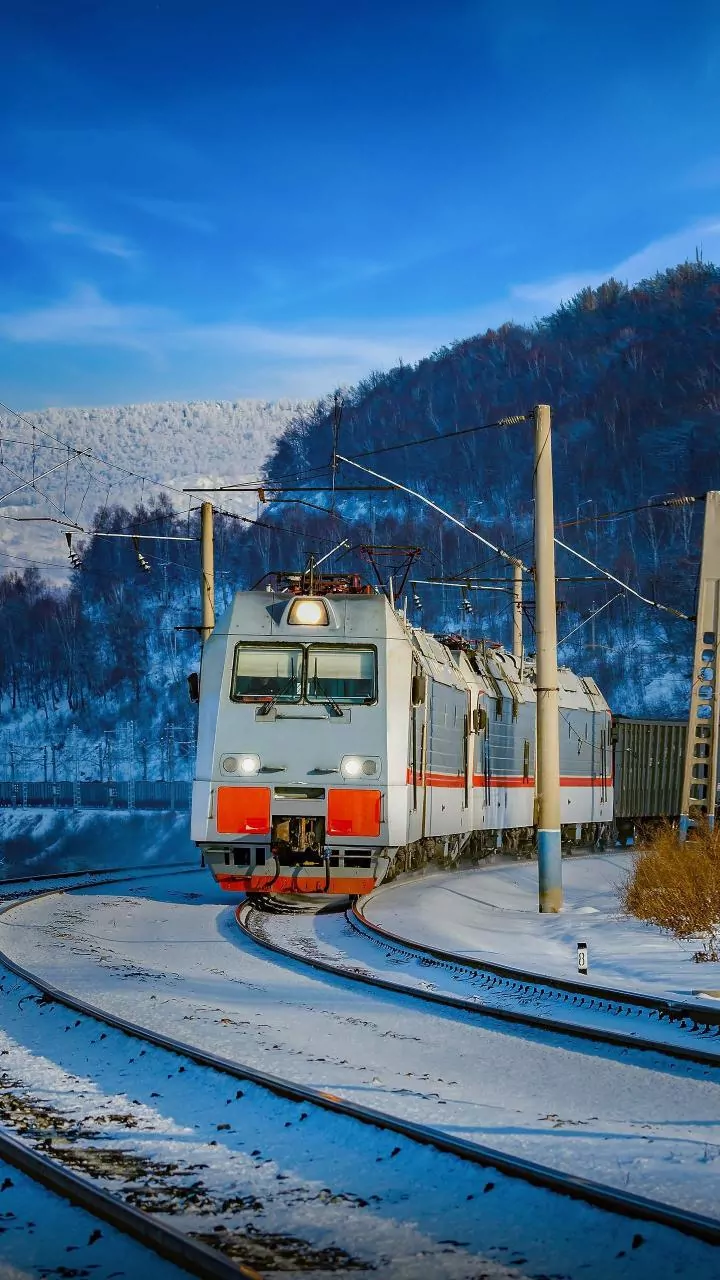
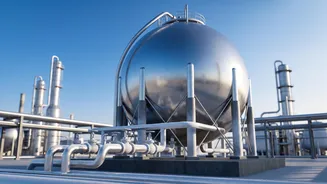
Despite the benefits, this LNG train is a technology trial, not the beginning of a network-wide shift away from electric power. The headline is correct to frame it this way. A large-scale rollout of LNG faces significant logistical hurdles, including the need for a vast and complex infrastructure for cryogenic storage and transportation, as LNG must be kept at -162°C. The trial is specifically targeted at DEMU trains which operate on non-electrified or low-density routes. These trains have self-contained power cars and cannot be simply attached to an electric locomotive, making a dual-fuel conversion a practical way to reduce their emissions.
The Real End Goal: 100% Electrification
The bigger picture for Indian Railways is clear: the ultimate goal is to become a 'Net Zero Carbon Emitter' by 2030. The main strategy to achieve this is not through alternative fuels, but through the complete electrification of its broad-gauge network. As of mid-2026, Indian Railways has already achieved nearly 99.6% electrification of its broad-gauge lines, a massive undertaking that has drastically cut diesel consumption. Diesel usage for traction dropped from 293 crore litres in FY16 to 108 crore litres in FY25. Electrification is seen as the most efficient and sustainable long-term solution, powered increasingly by renewable energy sources like solar and wind. LNG and hydrogen trials are therefore best understood as interim or niche solutions for the few remaining lines where full electrification is challenging or not immediately viable.