





A Healthier, Heartier Dosa
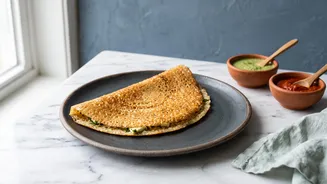
Traditional dosas, made from fermented rice and lentil batter, are a beloved South Indian staple. By swapping rice for quinoa, you elevate the dish significantly. Quinoa is a complete protein, containing all nine essential amino acids, and is rich in fibre
and essential minerals. This makes the quinoa dosa a more filling and nutritionally dense option, perfect for a wholesome breakfast or a light dinner. It's naturally gluten-free and has a lower glycemic index compared to rice, which helps in maintaining steady blood sugar levels. The addition of a paneer filling transforms it from a simple crepe into a substantial meal, adding a creamy, savoury element that complements the earthy flavour of the quinoa.
Crafting the Perfect Quinoa Batter
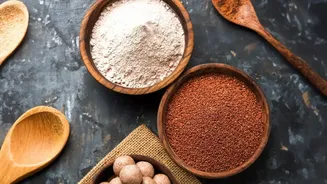
The foundation of a great dosa is its batter. For a quinoa dosa, the process is similar to the traditional method but with different core ingredients. You can opt for a fermented or an instant batter. For a classic fermented batter, soak one cup of quinoa with a mix of lentils like urad dal (split black gram) and chana dal (split chickpeas) for about five to six hours. Many recipes also include a teaspoon of fenugreek (methi) seeds, which aids in fermentation and contributes to a crispier texture. After soaking, drain the ingredients and grind them into a smooth, thick paste, adding water as needed. Allow this batter to ferment in a warm place for six to eight hours, or overnight, until it's light and airy. For a quicker, no-fermentation version, you can simply soak the quinoa and lentils for a few hours, grind, and use the batter right away. The consistency should be pourable but not watery.
The Spicy Paneer Filling
The paneer filling provides a delicious contrast to the crisp dosa. A simple and flavourful option is a street-style paneer bhurji. Start by heating oil or ghee in a pan and sautéing finely chopped onions until they turn golden. Add ginger-garlic paste, followed by chopped tomatoes, and cook until they soften into a thick masala. Spice it up with turmeric, red chilli powder, and garam masala. Finally, add crumbled or cubed paneer and cook for just a couple of minutes until it's heated through. You don’t want the paneer to become rubbery. Finish with a sprinkle of kasuri methi (dried fenugreek leaves) and fresh coriander. It’s important to let the filling cool down slightly before stuffing the dosa to prevent it from becoming soft due to steam.
The Secret: A Perfectly Hot Tawa
The headline gives away the most critical secret to a crispy dosa: a hot tawa. Whether you use a traditional cast-iron pan or a modern non-stick version, temperature control is everything. Heat your tawa over a medium-high flame. To check if it’s ready, sprinkle a few drops of water on the surface; if they sizzle and evaporate immediately, the temperature is perfect. If the pan is too hot, the batter will stick and cook before you can spread it. If it’s not hot enough, the dosa will be soft and pale. Before pouring the batter, it's a good practice to lightly grease the tawa with oil, often by rubbing it with a halved onion. This seasons the surface and helps prevent sticking. Right before you pour the batter, some cooks reduce the heat slightly or sprinkle water to cool the surface just enough to allow the batter to spread thinly and evenly.
Bringing It All Together
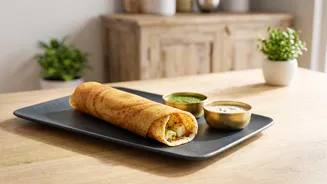
With your batter, filling, and hot tawa ready, it’s time to cook. Pour a ladleful of batter into the center of the tawa. Using the back of the ladle, quickly spread the batter in a circular motion, moving from the center outwards to create a thin, even crepe. Drizzle a little ghee or oil around the edges and on top. Cook on medium-high heat until the bottom turns a deep golden brown and the edges start to lift from the pan. This is a sign that the dosa is becoming crisp. Place a spoonful of the paneer filling along the center of the dosa, then fold it in half. Gently press with a spatula and slide it off the tawa. Serve immediately with your favourite accompaniments like coconut chutney and sambar for a truly satisfying meal.