





A Different Kind of Plumbing
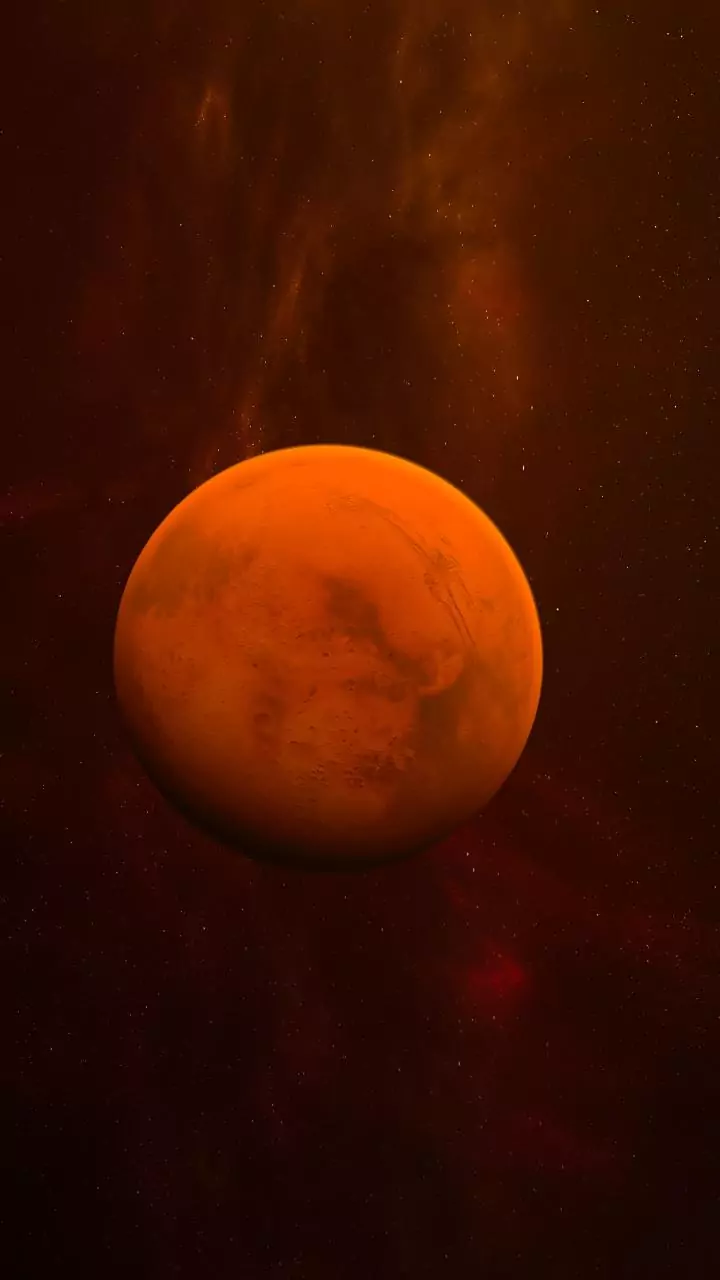
Scientists have long thought that Martian volcanoes, like the colossal Olympus Mons, were fed by simple, isolated plumes of magma rising directly from the planet's mantle. This model portrayed Mars as a geologically simpler cousin to Earth. However, recent
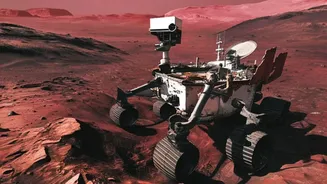
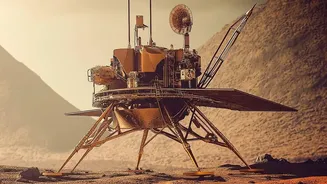
analysis of seismic data gathered by NASA's InSight lander has uncovered a surprising twist. Researchers from the University of Oxford detected a mysterious boundary about 24 kilometres below the surface. Their findings suggest this isn't just a simple layer, but evidence of a complex, interconnected network of molten rock that once stretched for hundreds or even thousands of kilometres sideways through the crust. This process, known as 'transcrustal magmatism,' was once thought to be unique to Earth, which has the benefit of plate tectonics to churn and recycle its crust.
Listening to Marsquakes
The key to this discovery came from listening to the faint tremors of Mars. The InSight lander, which placed the first seismometer on the Martian surface in 2018, spent years recording seismic waves from 'marsquakes' and meteorite impacts. By studying how these waves traveled through the planet's interior, scientists could build a picture of its hidden layers. The data revealed that the boundary 24 kilometres down likely separates two different rock types. The deeper layer consists of dense, iron-rich ultramafic rocks, while the layer above is made of lighter, silica-rich mafic rocks. This layering is best explained by a process where large pools of magma slowly separated underground. The heavier crystals sank, forming the dense lower layer, while lighter molten material rose towards the surface. This complex separation process hints at a much more active and sophisticated geological history than previously imagined.
A Planet More Active Than We Knew
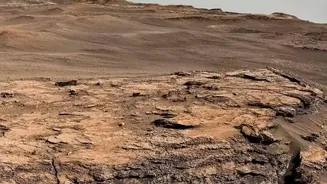
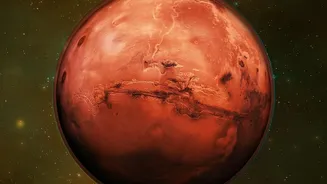
This finding challenges the long-held image of Mars as a 'stagnant lid' planet, one whose crust is a single, solid piece. While Mars lacks Earth's shifting tectonic plates, it appears it had its own way of creating a complex and evolved crust. This ancient network of magma would have transported enormous amounts of heat and chemical materials across vast distances. This idea is supported by other recent discoveries in regions like Elysium Planitia, which show evidence of volcanic eruptions as recently as 53,000 years ago—a mere blink of an eye in geological time. The marsquakes detected by InSight, many originating from the Cerberus Fossae fissure system, further prove that the planet is not entirely dormant.
Implications for the Search for Life
A more complex and active geology has profound implications for the possibility of past life on Mars. The movement of magma and the heat it releases can create hydrothermal systems—underground environments where hot, mineral-rich water circulates. On Earth, such systems are teeming with microbial life, completely independent of sunlight. The discovery of widespread magmatic plumbing suggests that such potentially habitable environments could have been far more common and widespread on ancient Mars than previously thought. By transporting heat and water across the crust, these magma flows could have created protected, long-lived underground oases, even as the surface of Mars became cold and inhospitable. This discovery expands the areas where future missions might look for signs of ancient life, shifting focus to regions shaped by this hidden volcanic activity.