




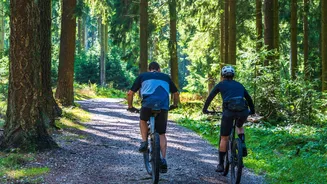

The call of the great outdoors is hard to resist. Hiking offers a perfect blend of exercise and mental rejuvenation. But before you hit the trail, it's crucial to understand the basics of safety and preparation to ensure every adventure is a good one.
Before You Leave: Preparation is Everything
A great hike begins long before you reach the trailhead. The most common issues hikers face—like getting lost, being caught in bad weather, or underestimating a trail's difficulty—are often preventable. Start by researching your destination. Use trail apps, guidebooks, or park websites to understand the trail's length, elevation gain, and difficulty rating. Always check the weather forecast right before you leave, as conditions can change quickly. Crucially, tell someone your plan. Let a friend or family member know which trail you're hiking and when you expect to be back. This simple step is your most important safety net. Finally, know your limits. Choose trails that match your current fitness level, not the one you hope to have. You can always tackle more challenging routes as you gain experience.
What to Pack: The Essentials
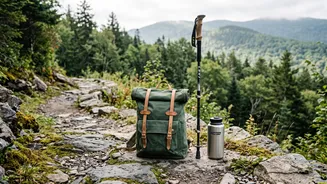
You don't need the most expensive gear, but you do need the right gear. For a day hike, focus on the 'Ten Essentials', a list of items that can help you handle unexpected situations. Your pack should always include: Navigation tools (a map and compass, or a GPS app on a fully charged phone with a backup battery); Sun protection (sunscreen, sunglasses, and a hat); Insulation (an extra layer of clothing, even on a warm day, as temperatures can drop); Illumination (a headlamp or torch, in case you're out later than planned); a First-aid kit; a fire starter (like waterproof matches or a lighter); a repair kit or multi-tool; extra food; and extra water. Finally, wear appropriate clothing. Avoid cotton, which holds moisture, and opt for moisture-wicking synthetic fabrics or wool to stay dry and comfortable.
On the Trail: Smart and Safe Practices
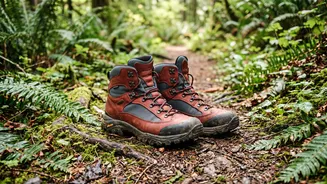
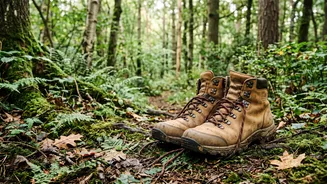
Once your boots are on the ground, good judgment is your best friend. Stay on the marked trail to protect the natural environment and prevent yourself from getting lost. Shortcuts can cause erosion and increase your chances of losing your way. Pay attention to your pacing; it’s better to go slow and steady than to exhaust yourself early. When it comes to interacting with the environment, follow the 'Leave No Trace' principles. This means packing out everything you pack in, including all food wrappers and waste. Respect wildlife by observing animals from a distance and never feeding them. Be considerate of other hikers by keeping noise levels down and yielding to those moving uphill.
Building a Hiking Routine
Turning hiking from a one-time activity into a regular routine is about consistency and gradual progression. Start small with shorter, flatter trails to build confidence and fitness. Aim for one hike per week or fortnight. You don't have to climb a mountain every time; even a 30-60 minute walk on a local nature path is beneficial. To stay motivated, consider finding a hiking partner or joining a local club. This not only adds a social element but also increases safety. Set small, achievable goals, such as exploring a new trail each month or gradually increasing your hiking distance. You can supplement your trail time with exercises that build hiking-specific muscles, such as incline walking on a treadmill, using a stairclimbing machine, or doing squats and lunges. The key is to make it a consistent appointment with yourself and enjoy the process of becoming stronger and more comfortable outdoors.