




A Challenge for the Artemis Generation
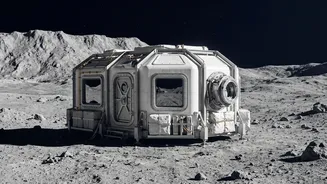
NASA recently announced its Moon Base Challenge, a competition inviting high school and university students in the US to design innovative solutions for establishing a sustained human presence on the Moon. With a prize pool of $1 million, the challenge
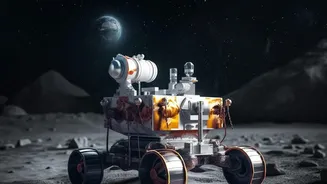
aims to tap into the creativity of young minds to solve some of the most complex problems of off-world living. The competition is split into six key categories: power generation, habitat construction, life-support systems, surface mobility, communications, and astronaut safety. This initiative is part of NASA's broader effort to engage the public and crowdsource revolutionary ideas through its Centennial Challenges program, which has funded everything from 3D-printed habitats to lunar excavation technologies.
More Than a Contest, It's a Blueprint
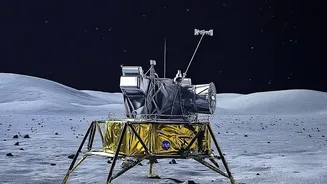
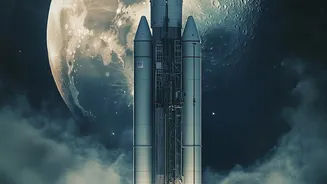
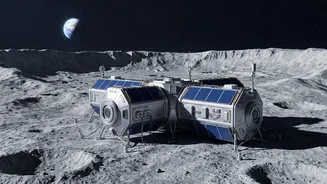
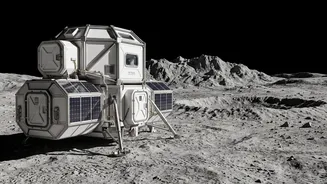
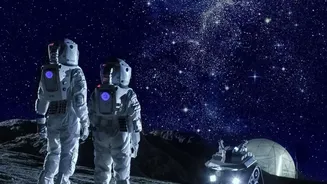
This challenge is directly tied to NASA's ambitious Artemis program, which aims not only to return humans to the Moon but to create a permanent lunar outpost. This 'Moon Base' will be located near the lunar South Pole, a strategic region that may hold vital resources like water ice. Building a permanent settlement is a critical stepping stone for future missions to Mars. However, the obstacles are immense. NASA needs solutions for surviving two-week-long lunar nights, constructing shelters from local materials like moon dust (regolith), recycling air and water, and protecting astronauts from radiation and extreme temperatures. By asking students to tackle these real-world mission parameters, NASA is accelerating the development of new concepts while simultaneously training the workforce that will one day implement them.
The New 'Right Stuff'
The era of space exploration we are entering requires a much broader range of skills than ever before. While astronauts remain the face of space travel, the backbone of the industry is a vast and diverse workforce on the ground. Job listings for the growing space economy show high demand not only for aerospace engineers but also for software developers, particularly those skilled in Python and C++. The industry also needs welders, electricians, data scientists, robotics experts, and project managers. Many companies are now recruiting talent from outside the traditional aerospace sector, bringing in experts from the automotive and cybersecurity industries to solve new challenges. Furthermore, non-technical skills like communication, teamwork, and creative problem-solving are considered vitally important.
An Inspiring Goal for a Global Audience
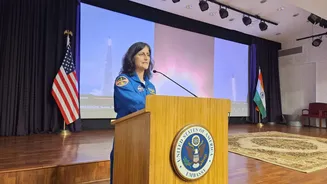
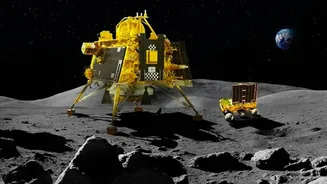
While the Moon Base Challenge is for US-based students, its impact and inspiration are global. Nations around the world, including India with its successful Chandrayaan program, are pushing the boundaries of space exploration. The challenges of building a lunar base—from resource utilization to robotics—are universal problems that the entire international space community is working to solve. Initiatives like this highlight the specific, highndue skills that will be in demand for decades to come. For students in India dreaming of a career in space, these challenges offer a clear roadmap of the expertise to pursue. Whether contributing to domestic missions or joining the global commercial space industry, the need for innovators who can think creatively about engineering, software, and logistics has never been greater.