







The Heart of the Celebration
Ganesh Chaturthi is more than a festival; it's a vibrant expression of faith and community that marks the arrival of Lord Ganesha. For ten days, homes and communities across India come alive with prayers, feasts, and beautifully adorned pandals. The celebration
culminates in the visarjan, the immersion of the idol, symbolising Ganesha's return to his celestial abode. Traditionally, this festival was deeply connected to nature's cycles. Idols were made from river clay and returned to the water, a beautiful, cyclical act of devotion. It's this spirit of harmony with nature that is now being joyfully rediscovered.
The Problem with Plastic and PoP
In recent decades, modern materials have altered the festival's environmental footprint. Idols made from Plaster of Paris (PoP) are lightweight and cheaper but are non-biodegradable and release harmful chemicals into water bodies upon immersion. These toxins can harm aquatic life and pollute water sources for months. The decorations have followed a similar trend. Thermocol, plastic garlands, and synthetic fabrics have become common, creating a mountain of non-biodegradable waste that clogs water bodies and landfills long after the festivities end. The glitter and shimmer of these modern decorations hide a significant environmental cost.
Start with an Eco-Friendly Idol
The first and most impactful step towards a green celebration is choosing the right idol. Opt for a Ganpati made from natural, biodegradable materials. Shadu mati, a type of natural clay, is a traditional and excellent choice as it dissolves easily in water. Many artisans now create stunning idols from clay, which can be painted with natural dyes like turmeric and sandalwood. Some innovative options even include seeds within the idol, which can be planted in a pot after the festival, allowing a new life to spring forth from the celebration.
Deck the Halls, Naturally
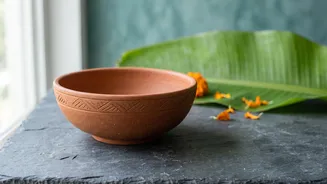
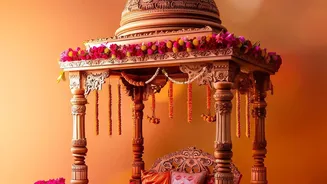
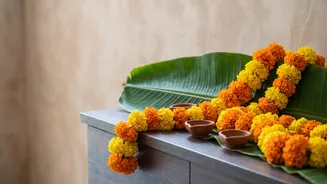
Once you have your eco-friendly idol, it's time to create a beautiful, plastic-free mandap. Nature offers a vibrant and fragrant palette for decoration. Instead of plastic streamers and thermocol backdrops, think fresh and traditional. Use real flowers like marigolds, roses, and hibiscus to create stunning garlands and backdrops. Banana and mango leaves can be used to frame the mandap, providing a lush, green, and entirely biodegradable setting. These natural elements not only look beautiful but also fill the air with a divine fragrance, enhancing the spiritual atmosphere.
Get Creative with DIY Decor
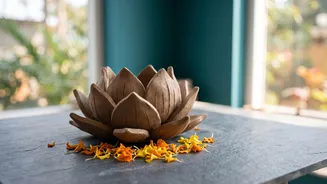
An eco-friendly festival is a perfect opportunity to get creative. Raid your own home for decoration materials. Colourful dupattas and old sarees can be draped to create a rich, fabric-based backdrop. You can craft your own decorations using recycled paper to make flowers, fans, and torans (door hangings). Jute ropes, bamboo sticks, and even coconut shells can be turned into rustic and charming decor pieces. Rangoli designs made from rice flour, flower petals, and natural powders like turmeric add a traditional and colourful welcome without any chemical impact.
Lighting Up Your Celebration Sustainably
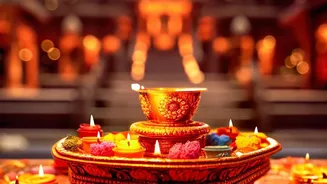
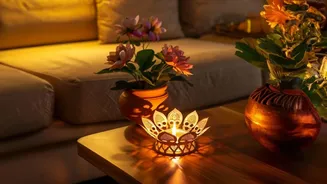
The festive glow doesn't need to come from disposable plastic lights. Embrace the warm, gentle light of traditional diyas made from clay. These terracotta lamps can be placed around the mandap for a classic and serene ambience. You can also create DIY diyas from wheat flour dough or use coconut shells as natural candle holders. If you prefer electric lights, opt for reusable LED fairy lights, which consume less energy and can be stored for future festivals, reducing waste year after year.