






More Than Just a Walk
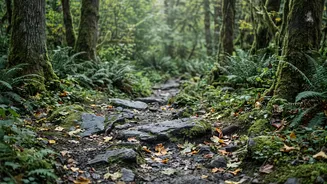
Swapping a predictable treadmill for an unpredictable trail offers a superior physical workout. Hiking on uneven terrain engages core muscles, improves balance, and strengthens bones in ways that flat-surface walking cannot. The varied inclines and declines
provide a natural form of interval training, boosting cardiovascular health and burning more calories. Every root and rock requires your body to make constant, subtle adjustments, turning a simple walk into a full-body exercise that enhances coordination and joint mobility.
The Ultimate Mental Reset
The mental health benefits of being in nature are profound. The Japanese practice of 'Shinrin-yoku' or 'forest bathing' is built on this principle. Studies show that spending time in green spaces can lower levels of the stress hormone cortisol, reduce anxiety, and calm a racing mind. Nature provides a state of 'soft fascination', which helps replenish our cognitive resources, allowing our brains to recharge from the overstimulation of daily life and digital distractions. This mental reset can lead to a better mood and a lower risk of depression.
Turning Movement Into a Mindful Practice
The headline's mention of 'practice' is key. This transforms hiking from a passive activity into an intentional one. Mindful hiking means paying full attention to the present moment. Instead of letting your mind worry about work or chores, you focus on the rhythm of your breath, the sound of birds, the feeling of the breeze on your skin, and the sensation of your feet on the earth. This doesn't mean stopping thoughts, but rather observing them without getting carried away, much like watching cars pass by. Setting an intention before you start, such as 'to be present' or 'to be kind to myself', can deepen this connection.
A Natural Boost for Creativity and Focus
If you're stuck on a problem or feeling a creative block, a walk in the woods might be the most productive thing you can do. Research indicates that exposure to natural environments significantly improves cognitive functions like memory, focus, and problem solving skills. Disconnecting from technology is a crucial part of this. When we allow our minds to wander freely without the constant input from our phones, we create space for new ideas and fresh perspectives to emerge. Even a short 20 minute walk in a park can enhance concentration and attention.
How to Begin Your Hiking Practice
Starting is simple. You don't need to conquer a mountain on your first day. Find a local park or nature reserve with well marked trails. Leave the headphones at home and put your phone on airplane mode to minimize distractions. Move at a comfortable pace, allowing yourself to stop and notice things around you. Engage all your senses : what can you see, hear, smell, and feel? The goal isn't mileage or speed ; it's about the quality of your attention. This simple act of immersing yourself in nature can become a powerful and restorative ritual in your life.