





The era of checking off the same crowded landmarks is fading. A new report from digital travel platform Agoda reveals a major shift in how we’ll travel in 2027, with a surprising number of people looking to go beyond the beaten path.
Hidden Gems Over Tourist Hotspots
The standout finding
from Agoda’s ‘2027 Asia Travel Pulse’ survey is that Indian travellers are leading the charge towards the unconventional. A remarkable 55% of surveyed Indians plan to visit a lesser-known destination in 2027. This figure is significantly higher than the Asian average of 36%, making Indians the most likely in the region to trade crowded cities for quiet, unique locales. This isn't just about avoiding queues; it's a deliberate move towards more meaningful and authentic experiences, exploring the cultural fabric of a place rather than just its most famous sights. The survey, which polled over 3,300 travellers across 11 Asian markets, shows a clear pivot from mainstream tourism to personal discovery.
Adventure and the Great Outdoors
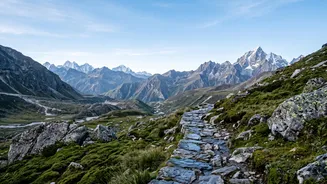
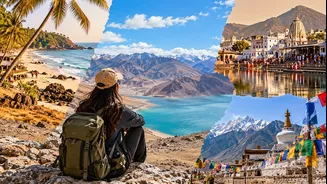
So, what’s driving this change? A hunger for adventure is a major factor. According to the report, 42% of Indian travellers identified outdoor activities as a key motivation for their trips. This places India among the top nations in Asia for adventure-led travel. The trend is already visible in search data, which shows a rising interest in mountain destinations like Leh and Dharamshala. After years of more restricted movement, people are craving open spaces and activities that connect them with nature. Offbeat travel often means swapping city pavements for hiking trails and trading resort pools for natural landscapes, a desire that is reshaping future holiday plans.
The Rise of Purposeful Journeys
For many Indian travellers, the search for meaning extends to spiritual pursuits. The Agoda survey found that 14% of Indians cite spiritual or religious journeys as a primary reason to travel, a figure three and a half times higher than the Asian average of 4%. This makes India the leading market for faith-based travel in the region. Destinations associated with spiritual heritage are seeing a huge spike in interest. For instance, accommodation searches for Pushkar, especially around the Holi festival, increased by 195% compared to the previous year. Similarly, interest in Dharamshala and Leh grew by 154% and 143% respectively, pointing to a wider appetite for trips that offer more than just a simple getaway.
Longer Stays and Smarter Value
The way people travel is also changing in duration and planning. The trend of 'slow travel'—staying in one place longer to absorb its culture—is gaining traction. The report notes that one in four Indian travellers are planning longer trips of 8 to 12 days, compared to just 15% across Asia. While seeking unique experiences, travellers remain conscious of costs. However, 'value' no longer just means the cheapest price. For Indian travellers, value is also found in convenience and perks. For example, the survey revealed that a complimentary breakfast is three times more important to Indian travellers than to their counterparts in the rest of Asia, indicating that thoughtful inclusions can be a major deciding factor.
What This Means for the Future of Travel
This shift towards offbeat travel signals a more intentional and mature tourism landscape. As Gaurav Malik, Agoda's Country Director for the Indian Subcontinent, noted, travellers are seeking 'unique experiences through offbeat destinations, outdoor adventures and spiritual journeys'. This trend empowers smaller communities by distributing tourism revenue beyond major hubs and reduces the environmental strain of overtourism. For travellers, it offers a chance to create their own stories and find deeper connections. Whether it’s exploring the serene landscapes of Pushkar or the adventurous trails of Leh, the Indian traveller of 2027 is set to explore the world on their own terms.