



The Daily Ritual, The Silent Judgement
You order a creamy cappuccino, sweetened to your liking. Your friend requests a black Americano, no sugar. An unspoken exchange hangs in the air. Are they a true coffee connoisseur? And are you… less of one? This scenario is playing out across urban India,
where our daily cup of coffee has become more than just a caffeine fix. It has transformed into a statement of identity, taste, and even social standing. The simple additions of milk and sugar, once standard practice, are now at the center of a cultural debate, pitting decades of tradition against a new wave of coffee purism.
A Tradition Steeped in Comfort
For generations, coffee in India, particularly in the south, meant one thing: filter kaapi. This strong, dark brew, often mixed with chicory, was almost always served piping hot with plenty of milk and sugar. This wasn’t just about taste; it was about creating a comforting, nourishing beverage. Much like chai, which Indians adopted and reinvented by adding milk and spices to make it their own, milky, sweet coffee became a household ritual. In a culture where milk symbolizes care and completeness, adding it to a beverage was a natural act of making it wholesome and familiar.
Enter the Third Wave Purist
The recent arguments around coffee can be traced to the rise of the “third wave” coffee movement. Beginning in the early 2000s, this global trend reframed coffee from a commodity into an artisanal product, much like fine wine. Proponents of this philosophy believe in highlighting the unique, intrinsic qualities of the coffee bean—its origin, altitude, and processing method. To truly taste these delicate notes of fruit, chocolate, or flowers, they argue, the coffee must be consumed black, without the 'interference' of milk or sugar. This focus on purity and quality has given rise to a new kind of coffee drinker and, in some circles, a new kind of snobbery.
The Science in Your Cup
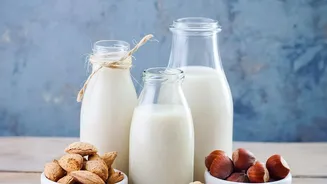
There’s a chemical reason why adding milk and sugar is so appealing. Coffee is filled with complex compounds, some of which are bitter. The proteins in milk, specifically casein, bind to these bitter compounds, effectively softening the sharp edges of the brew. The fats in milk add a creamy texture and a richer mouthfeel, while the natural sugar, lactose, adds a subtle sweetness that becomes more pronounced when heated. Sugar does something similar, making coffee’s natural acidity more pleasant and balancing out any harsh bitterness. So, when you add milk and sugar, you’re not just masking the taste; you are chemically altering it to create a different, smoother flavour profile.
Is Black Coffee 'Better'?
Specialty coffee, which scores highly on a 100-point scale for quality, is hand-picked, carefully processed, and lightly roasted to preserve its natural aromatic compounds. Drinking it black allows you to appreciate this craftsmanship. Commercial coffee, on the other hand, is often mass-produced and dark-roasted to hide defects and create a uniform taste, which can be bitter and flat. For many, adding milk and sugar makes this type of coffee more palatable. The snobbery arises when the philosophy of the first is applied universally to the second. The purist argues for appreciating the bean, but for many drinkers, the goal is simply a pleasant and comforting beverage, not an analytical tasting session.