








From Parcels to Processors
For the last few years, the story of air freight was dominated by e-commerce. Cargo holds were filled with consumer goods, fuelled by an online shopping boom. But a significant pivot is underway. As the e-commerce surge loses momentum, a new, far more
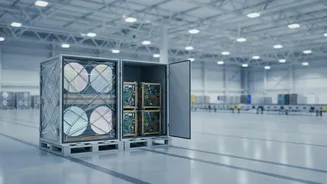
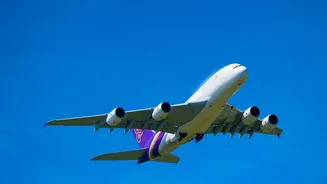
valuable type of cargo has taken its place: the building blocks of artificial intelligence. This isn't about small gadgets; it's about the heavy-duty hardware that powers AI, including powerful graphics processing units (GPUs), entire server racks, and advanced cooling systems. Airlines across Asia are reporting a major shift in their cargo mix, with carriers like Korean Air noting that AI-related hardware has replaced e-commerce shipments from China as their primary growth driver. In the second quarter of 2026, the airline saw its cargo revenue jump significantly, led by this new demand.
Why It Has to Fly
Unlike t-shirts or household items, the components for AI data centers can't wait for a slow boat. The reasons are threefold: value, speed, and security. A single shipment of AI servers or specialized semiconductor manufacturing equipment can be worth millions of dollars. These components are the heart of multi-billion dollar data center construction projects where any delay has costly ripple effects. For the tech giants racing to build out their AI capabilities, speed is a competitive necessity. The 40-to-50-day transit time for ocean freight is a non-starter when demand for AI models is insatiable and the hardware to train them is in short supply. Consequently, tech companies are willing to pay a premium for air freight, which accounts for less than 0.5% of the total hardware investment but ensures projects stay on schedule. This has made AI-related goods a high-yield priority for airlines.
Asia: The Engine Room of AI Hardware
This logistics boom is centered on Asia for a simple reason: it's where the world's most advanced digital hardware is made. Taiwan is the undisputed hub for cutting-edge chip production, home to giants like TSMC which manufactures processors for top AI companies. South Korea supplies the crucial high-bandwidth memory (HBM) chips essential for AI servers. Meanwhile, countries like Malaysia, Vietnam, and Thailand are becoming key centers for assembly and the manufacturing of other critical components. This intricate manufacturing network means that nearly every GPU cluster or AI server deployed in North America or Europe originates from these Asian markets. The result is a dramatic reshaping of trade flows, with cargo routes from Taipei, Seoul, and Southeast Asian hubs to the US seeing massive spikes in demand and freight rates.
A High-Value Transformation
The impact on the air cargo industry is profound. While AI-related goods make up a relatively small slice of total air cargo volume by weight—around 7% according to the International Air Transport Association (IATA)—they account for a staggering 53.5% of the total value. This high-value, low-volume dynamic is a boon for airline revenues. Air freight rates from Northeast Asia to North America soared 41% year-over-year as of late June 2026, with rates from Southeast Asia climbing 42%. The demand is so intense that Taiwan's main cargo hub in Taipei was reported to be at full capacity in July 2026. To cope, airlines are not just raising prices but also innovating. Cathay Pacific, for example, has rolled out new software to optimize the loading and securing of this sensitive, high-value machinery.