





The Familiar Favourite: Dairy Butter
For generations, dairy butter has been a staple. It lends a rich, salty flavour to toast and is beloved for its creamy texture. Nutritionally, however, it is a dense source of calories and, most notably, saturated fat. While fats are essential for our bodies,
providing energy and helping absorb vitamins, the type of fat matters. A diet high in saturated fat has been linked to increased levels of LDL cholesterol, often called 'bad' cholesterol, which can raise the risk for heart disease. A typical serving of butter offers very little protein or fibre.
The Challenger: Almond Butter
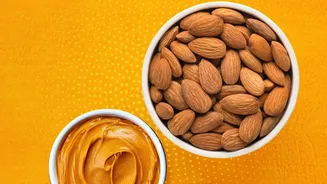
Enter almond butter, a creamy spread made simply from ground almonds. While it is also high in calories, the nutritional profile tells a very different story. Unlike dairy butter, the fat in almond butter is predominantly monounsaturated fat. This is the type of 'healthy fat' celebrated for its positive effects on heart health. Beyond its fat profile, almond butter is a plant-based powerhouse, packing a significant punch of protein, dietary fibre, and a host of essential vitamins and minerals that are largely absent in dairy butter.
Understanding the 'Healthy Fat' Advantage
The core of the upgrade lies in the fat composition. Monounsaturated fats, which are abundant in almond butter, can help reduce LDL ('bad') cholesterol levels while potentially raising HDL ('good') cholesterol. This shift is a major win for cardiovascular health, helping to lower the risk of heart disease and stroke. Saturated fats, the primary type in butter, are more associated with raising LDL cholesterol. By choosing almond butter, you are replacing a fat that health experts recommend limiting with one that is recommended for its protective benefits.
More Than Just Good Fats
The benefits of switching don't stop at fats. Almond butter provides a significant nutritional bonus that butter simply can't match. It's an excellent source of vitamin E, a powerful antioxidant that helps protect cells from damage. In fact, almond butter is one of the best sources of vitamin E among all nut butters. It's also rich in minerals like magnesium, which is crucial for bone health and can help the body absorb calcium, and potassium. Furthermore, almond butter delivers a healthy dose of dietary fibre and plant-based protein. Fibre aids in digestion and helps you feel full longer, while protein is essential for building and repairing tissues, making your morning toast a much more satisfying and sustaining meal.
Making the Smart Swap
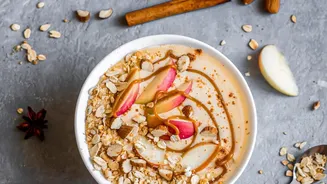
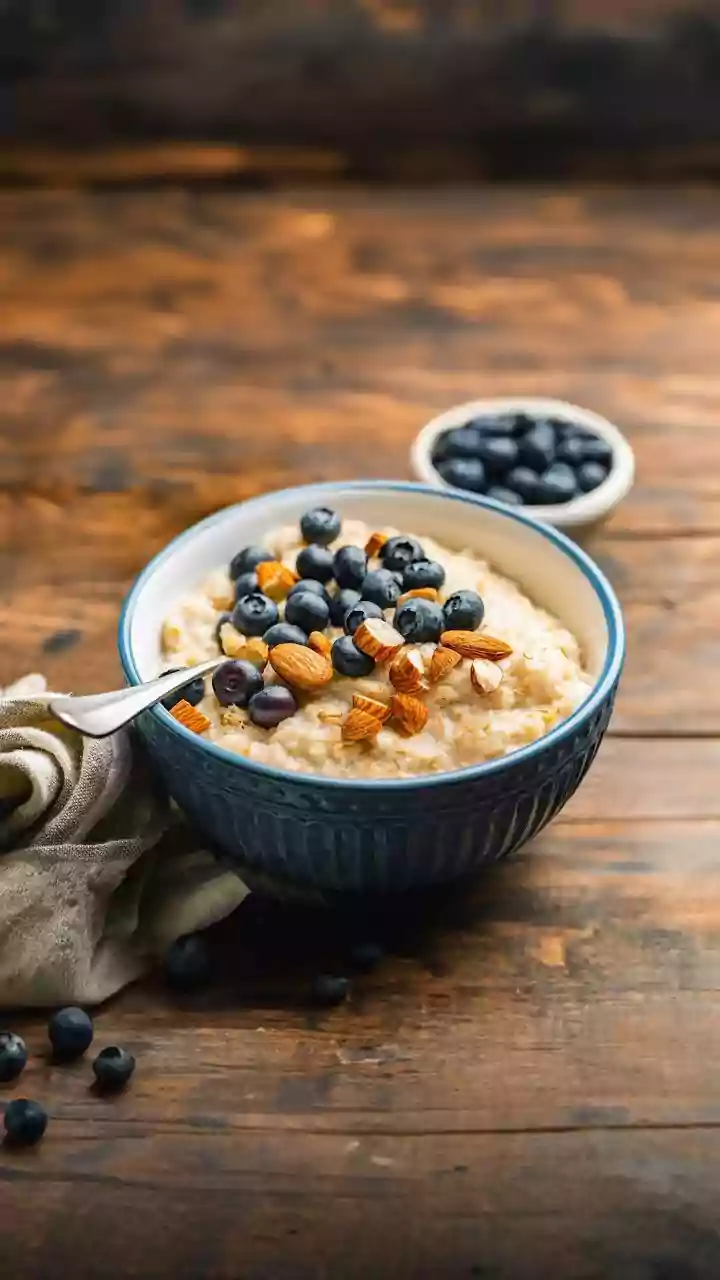
When you're ready to make the switch, a little mindfulness goes a long way. Both butter and almond butter are calorie-dense, so portion control is key. A serving is typically one to two tablespoons. When shopping for almond butter, check the label. The best options contain just one or two ingredients: almonds and perhaps a little salt. Many brands add sugars, hydrogenated oils, or other fillers that can negate the health benefits. Stir your natural almond butter well, as oil separation is normal. Beyond toast, almond butter is incredibly versatile. Use it as a dip for apple slices or celery sticks, blend it into smoothies for a protein boost, or swirl it into your morning oatmeal.