


Loktak Lake, Manipur: The Floating Wonder
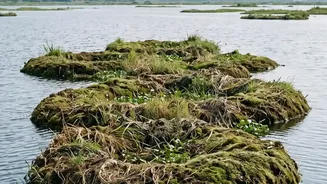
Loktak Lake is arguably the most famous lake in the region and is the largest freshwater lake in Northeast India. What makes it truly unique are the 'phumdis'—heterogeneous masses of vegetation, soil, and organic matter that float on its surface. These
floating islands are so large and stable that local fishermen build their homes, called 'phumsangs', on them. The largest of these phumdis hosts the Keibul Lamjao National Park, the world's only floating national park. This park is the last natural habitat of the endangered Sangai, or brow-antlered deer, often called the 'dancing deer' because of the delicate way it moves across the unstable ground. The lake is a hub of biodiversity and a vital resource for Manipur's economy, supporting fishing and agriculture.
Gurudongmar Lake, Sikkim: The Sacred Height
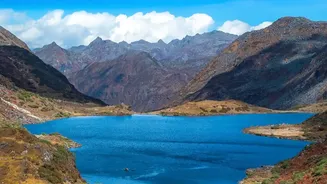
Situated at a staggering altitude of over 17,000 feet, Gurudongmar Lake is one of the highest lakes in the world. Located near the Indo-China border in North Sikkim, its crystal-clear turquoise waters are surrounded by barren, snow-capped mountains, creating a surreal and otherworldly landscape. The lake holds immense religious significance for both Buddhists and Sikhs. It is named after Guru Padmasambhava, the founder of Tibetan Buddhism, who is said to have visited in the 8th century. Legend has it that he blessed a portion of the lake, which is why that part never freezes, even in the harshest winters, providing a water source for locals. Due to the extreme altitude and low oxygen levels, visitors are advised to spend only a short amount of time here, but the divine beauty makes the arduous journey worthwhile.
Umiam Lake, Meghalaya: The Leisurely Reservoir
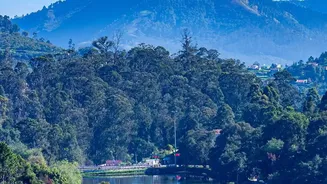
Often the first stunning view that greets visitors travelling from Guwahati to Shillong, Umiam Lake is a vast man-made reservoir also known as 'Barapani' or 'big water'. Created in the early 1960s by damming the Umiam River, the lake is surrounded by the rolling Khasi hills and lush pine forests. It has become a major hub for tourism and water sports in Meghalaya. Visitors can indulge in activities like kayaking, boating, water cycling, and speed boating. The serene landscape, with its many vantage points, makes it a paradise for photographers, especially during sunrise and sunset. Several resorts and parks along its banks offer a tranquil retreat, allowing you to soak in the peaceful atmosphere amidst nature.
Sela Lake, Arunachal Pradesh: The Icy Gateway
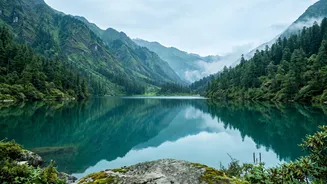
Located near the high-altitude Sela Pass at about 13,700 feet, Sela Lake is a breathtaking sight on the way to Tawang. This glacial lake is considered one of the 101 sacred lakes in Tibetan Buddhism for the local Monpa tribe. Surrounded by rugged, snow-covered mountains, the lake often remains frozen during the winter, creating a magical, pristine landscape. The air is thin and the winds are chilly, but the serene beauty of the crystal-clear water reflecting the majestic peaks is a rewarding experience. The lake and the pass are not just scenic wonders but also hold strategic importance and are rich with local folklore, including stories of bravery from the 1962 Sino-Indian War.
Sangetsar Tso, Arunachal Pradesh: The Accidental Beauty
Famously known as Madhuri Lake, Sangetsar Tso is located about 35 km from Tawang, close to the Indo-China border. This serene high-altitude lake got its popular nickname after a song from the Bollywood movie 'Koyla', starring Madhuri Dixit, was filmed here. The lake was formed as a result of an earthquake in the 1970s, which is evident from the striking sight of dead tree trunks emerging from the middle of the clear water. Surrounded by snow-capped mountains and lush valleys, the journey to the lake itself is an adventure, often involving winding roads and stunning vistas. Its unique formation and cinematic fame have made it a popular, must-visit destination for those exploring the remote beauty of Arunachal Pradesh.