




An 18-Year Exile
The story begins not with a trade dispute, but with a tiny pest. In 1989, the United States Department of Agriculture (USDA) banned fresh mango imports from India. The reason was a serious biosecurity concern over pests like the fruit fly and mango seed
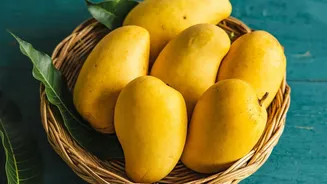
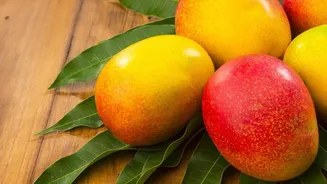
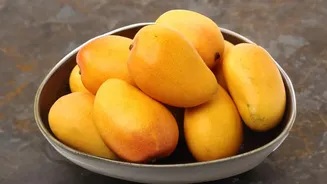
weevil. American authorities feared that these pests, if accidentally introduced, could devastate their own multi-billion dollar fruit industries in states like California and Florida. For nearly two decades, beloved varieties like the Alphonso and Kesar remained forbidden fruit in the US, available only through unofficial channels or as a fond memory for the Indian diaspora. This long separation created a powerful sense of scarcity and longing for a taste of home.
The Scientific Breakthrough
The diplomatic deadlock was finally broken by science. While methods like hot water treatment worked for mangoes from Mexico, they were too harsh for India's delicate, thin-skinned varieties. The answer came from atomic research: irradiation. Developed by Indian scientists, this phytosanitary process exposes packed mangoes to a controlled dose of gamma radiation. It is crucial to understand that this does not make the fruit radioactive. Instead, it serves a single purpose: making any pests sterile and unable to reproduce, thus eliminating the threat to American agriculture. After extensive testing and negotiations, the USDA approved this method, deeming it safe and effective. This technological solution paved the way for a historic trade agreement.
A Stop-and-Start Journey
The official re-entry into the US market happened in 2007, following a public announcement by US President George W. Bush during a visit to India the previous year. The first legal commercial shipment since 1989 was a moment of celebration. However, the journey since has not always been smooth. The entire process relies on a system called "preclearance," where USDA inspectors are physically present at certified irradiation facilities in India to oversee treatment before export. This system revealed its fragility in 2020, when the COVID-19 pandemic restricted international travel, temporarily halting exports because inspectors could not get to India. Even as recently as May 2025, a large consignment was rejected due to documentation errors, a costly reminder of the strict protocols involved.
The Taste of Victory
Despite the hurdles, the demand for Indian mangoes in the US is a roaring success story. Exports have surged dramatically, with a 130% increase in value in the 2023-24 fiscal year alone, crossing the $10 million mark. With the US mango import market valued at over $1 billion, India’s share is still small but commands a massive premium. An Indian Alphonso or Kesar can sell for four to ten times the price of a mango from another country. This isn't just a transaction; it's a cultural phenomenon. Importers coordinate sales through WhatsApp groups in diaspora communities, with shipments often selling out within hours of arrival. This 'mango mania' has captured the attention of major retailers, signalling a shift from a niche diaspora product to a mainstream luxury good.