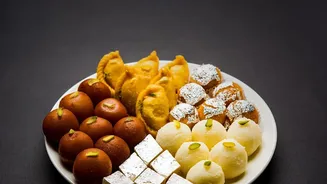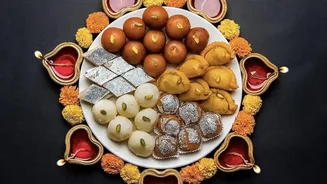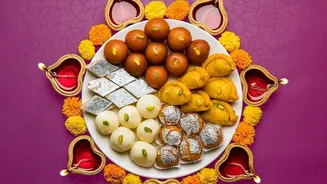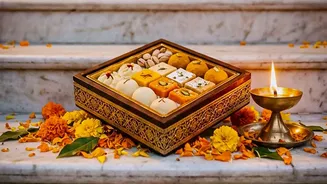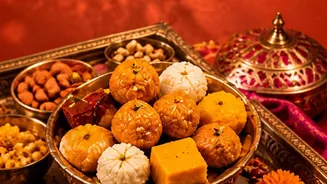




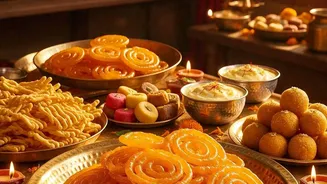
Diwali is synonymous with the sweet, fragrant joy of mithai. But with every laddoo and barfi comes a side of confusing health advice. It’s time to move past the guilt and get smart about the sugar claims surrounding our favourite festive treats.
The 'Natural' Sugar Myth
One of
the most common claims is that sweets made with jaggery (gur) are a 'healthy' and guilt-free alternative to those with refined white sugar. While it's true that jaggery is less processed and retains some minerals like iron and potassium, this doesn't make it a health food. At a biological level, your body treats jaggery much like white sugar. It is still primarily sucrose and has a high glycemic index, meaning it can cause a significant spike in blood sugar levels, which is a key concern for individuals with diabetes. Some studies even suggest jaggery's glycemic index can be as high as, or higher than, white sugar's. So, while it brings a lovely caramel flavour, swapping to jaggery is not a free pass to overindulge. The calories are nearly identical, and the impact on blood sugar is very similar.
It’s Not Just About the Sweetener
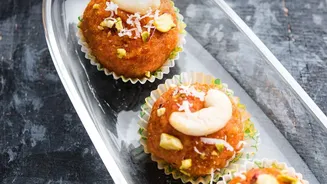
Focusing only on the type of sugar overlooks the bigger picture. A traditional laddoo or barfi is a dense package of flour, fat (usually ghee), and sugar. A single besan laddoo can contain around 150-170 calories. The fats from ghee and nuts, while offering some benefits, also add to the calorie count. However, these other ingredients can be beneficial. Fats and proteins, such as those from besan (gram flour), nuts, and ghee, can help slow down the absorption of sugar into the bloodstream, leading to a more gradual rise in glucose compared to eating pure sugar. Sweets that are rich in nuts and seeds, like a date and nut roll, may offer more fibre and healthy fats, making them a better-quality choice than a simple sugar-syrup-based sweet.
The Homemade vs. Store-Bought Debate
When it comes to festive treats, homemade almost always gives you an edge. Store-bought sweets can be a lottery; they are often loaded with extra sugar, preservatives, and artificial colours to extend shelf life and enhance appearance. When you make mithai at home, you have complete control. You can consciously reduce the amount of sugar or ghee by 25-30%, swap refined flour for more nutritious options like ragi or whole wheat, and use natural sweeteners like dates or figs for binding. Baking or air-frying snacks instead of deep-frying them is another simple, healthy switch you can make at home to cut down on unnecessary fats and calories.
Practice Mindful Indulgence
Enjoying Diwali doesn't mean you have to say no to every sweet. The key is to be mindful and strategic. Don't arrive at a celebration starving, as this often leads to overeating. Have a balanced meal beforehand. When faced with a mithai box, practice portion control. Choose one or two of your absolute favourites and savour them slowly, rather than mindlessly sampling everything. Pairing your sweet with a protein_rich snack or eating it after a full meal can help blunt the subsequent sugar spike. Staying hydrated with water is also crucial, as thirst is often mistaken for hunger. Finally, a short walk after a festive meal can do wonders for managing post_meal blood sugar levels.