

The Instagram vs. Reality Effect
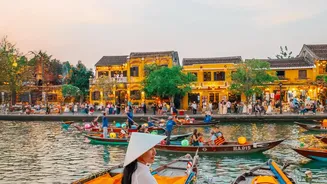
A key warning sign is a location that exists almost exclusively in perfectly framed, filtered, and people-free social media posts. The reality of these places often involves massive crowds, long queues, and a stressful rush to get the same photo. Before
you book, do a little digging. Search for the location on social media and look at tagged photos from everyday users, not just influencers. This gives you a more honest, unedited view of what to expect. If every image is a wide-angle shot designed to hide the crowds just out of frame, you might be looking at a destination that's more about the photo op than the experience.
The Reviews Are All Hype
Glowing reviews are great, but they need substance. Be cautious if reviews are consistently short and vague, using phrases like "bucket list amazing" or "a must-see" without any detail. Look for reviews that offer practical advice, mention specific feelings or moments, and describe both the good and the bad. The most helpful feedback will tell you the best time to go to avoid crowds, what to wear, or whether the entrance fee was truly worth the price. A lack of nuanced, detailed reviews can suggest the hype is built more on reputation than on the actual quality of the visitor experience.
The Price Is Too High For The Payoff
Some attractions are expensive for a reason, offering incredible value and once-in-a-lifetime experiences. Others are just expensive. A red flag should wave when a destination's main attractions come with exorbitant entry fees, overpriced food and drink, and costly fast-pass options that feel mandatory to have a decent time. If you find that the entire area is geared towards separating you from your money at every turn, it may be a sign of a tourist trap. Research costs beforehand. If seeing a single landmark will consume a huge portion of your daily budget, ask yourself if a lesser-known, more affordable alternative might offer a more rewarding and less stressful experience.
Locals Seem To Avoid It
One of the most telling signs of an overrated spot is a complete absence of local people, other than those working there. When a place becomes overwhelmed by tourism, residents tend to stay away. If your research shows that a particular neighbourhood, restaurant, or market is almost exclusively frequented by tourists, it may have lost its authentic charm. The best travel experiences often come from moments of genuine cultural exchange. Look for places where you can see daily life unfolding—cafes with local regulars, parks where families gather, or markets where people do their actual shopping. These are often the places that provide the most memorable and authentic connections to a destination.
It's Lined With Souvenir Shops
Walk down the main street leading to an attraction. What do you see? If the answer is an endless row of identical souvenir shops selling mass-produced trinkets and generic T-shirts, you are likely in a tourist-centric bubble. While there's nothing wrong with buying a souvenir, an area saturated with them often indicates that the local culture has been pushed out in favour of low-quality, high-volume commerce. Authentic destinations tend to have a mix of businesses, including independent shops, local artisans, and everyday services that cater to the people who live there as well as to visitors.
You Can’t See The Main Attraction
Destinations suffering from overtourism often have a very literal problem: you can't actually see the thing you came to see. Whether it's a famous painting surrounded by a wall of phones, a tiny statue mobbed by dozens of tour groups, or a scenic viewpoint packed shoulder-to-shoulder, the inability to quietly appreciate a site is a huge sign of it being overrated. To combat this, travel during the shoulder or off-season when crowds are thinner. Another effective strategy is to visit popular sites very early in the morning, often just after sunrise, or late in the evening when the day-trippers have departed. This simple shift in timing can transform a stressful ordeal into a magical experience.