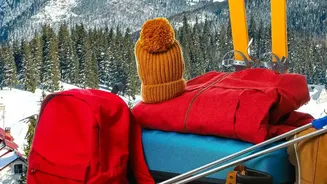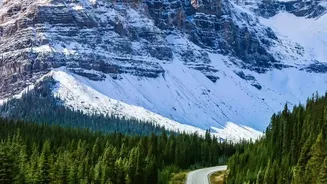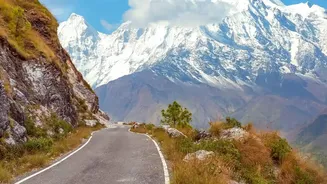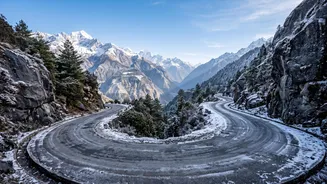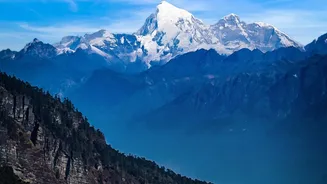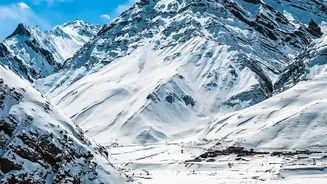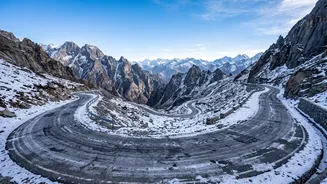



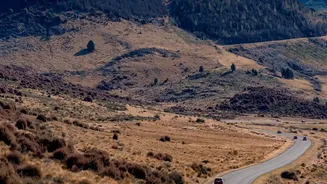
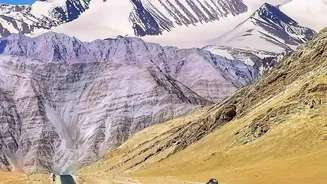
The image is perfect: winding roads, snow-dusted pines, and a steaming cup of tea at a mountain dhaba. A winter road trip in the Indian Himalayas is magical, but that magic depends on one crucial, often overlooked, step: planning.
The Dream vs. The Reality
Driving to destinations
like Manali, Auli, Spiti, or Ladakh in winter promises breathtaking landscapes and a serene escape from city life. The allure of seeing popular spots like Rohtang Pass or Nathu La covered in a pristine blanket of white is powerful. However, the reality of winter in the high altitudes involves more than just picturesque scenery. Heavy snowfall, the risk of avalanches, and treacherous black ice can transform a dream holiday into a dangerous ordeal. Roads that are easily accessible in summer can become impassable, often with little warning, leaving travellers stranded for hours or even days in sub-zero temperatures.
Understanding Winter Road Closures
Many of India’s most famous high-altitude routes have official winter closure periods. The Manali-Leh Highway, for instance, typically shuts down from November until May as passes like Baralacha La become buried under deep snow. Similarly, the route to Spiti Valley via Kunzum Pass becomes inaccessible, isolating the region for months. Even routes that are kept open, such as the local roads to Nubra Valley via Khardung La or Pangong Lake via Chang La in Ladakh, are subject to temporary closures after heavy snowstorms. These closures aren't arbitrary; they are essential safety measures taken by authorities like the Border Roads Organisation (BRO), which works tirelessly to clear snow and maintain these strategic lifelines.
How to Check Road Status Reliably
Assuming a road is open based on a weather app or an old travel blog is a common and risky mistake. For the most accurate information, it's essential to consult official and real-time sources. The social media pages of local police departments, particularly the UT Ladakh Police, provide daily, detailed updates on pass conditions. District administration websites for areas like Lahaul-Spiti are another key resource, though it's crucial to check the date of the notice to ensure it's current. The BRO, responsible for most high-altitude roads, also provides information, often through its regional control rooms or projects like HIMANK and VIJAYAK in Ladakh. Finally, never underestimate the power of local knowledge. Calling your hotel, guest house, or local driver in the destination a day or two before your departure can provide the most current, on-the-ground assessment of the roads you plan to take.
Beyond the Road: Preparing Your Vehicle and Yourself
Checking road access is the first step; preparing for the conditions you'll face is the next. If you plan to drive, ensure your vehicle is winter_ready. This includes checking your battery, using the correct low_viscosity engine oil, and ensuring your antifreeze levels are adequate. For snowy and icy patches, having snow chains and knowing how to fit them is non_negotiable. Driving techniques must also adapt: reduce your speed significantly, use lower gears for engine braking on descents, and maintain a much greater following distance than usual to account for slippery surfaces. Packing an emergency kit with extra blankets, food, water, a torch, and a first_aid kit is a critical safety measure.
The Consequences of Ignoring the Signs
The stories of tourists getting stuck are frequent. Heavy snowfall can trigger massive traffic jams, as seen in popular destinations like Mussoorie and Manali, where travellers have been stranded overnight. In more remote areas, the consequences can be far more severe. Getting caught on a closed pass means facing extreme cold, potential vehicle failure, and a long wait for rescue services. Incidents of cars sliding dangerously on ice are common, and even a minor breakdown can become a serious emergency when temperatures plummet. These situations are almost always preventable with proper research and a willingness to be flexible with your itinerary.