




The Invisible Battle: What Air Purifiers Target
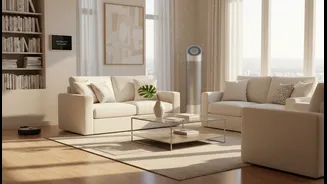
At its core, an air purifier is a device designed to tackle airborne contaminants. It works by pulling room air through a series of filters, trapping microscopic particles, and then circulating the cleaner air back out. The primary workhorse in most quality
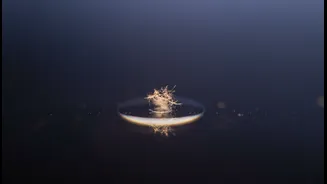
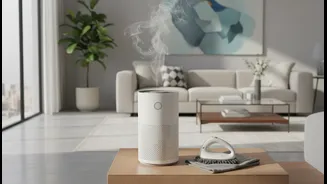
purifiers is the HEPA (High-Efficiency Particulate Air) filter. A True HEPA filter is engineered to capture at least 99.97% of airborne particles as small as 0.3 microns. This includes a host of common irritants like pollen, pet dander, mold spores, and fine dust that can trigger allergies and asthma. Many purifiers also include an activated carbon filter, which is crucial for removing gases, odors, and volatile organic compounds (VOCs) that are released from cleaning products, cooking, and new furniture. Essentially, an air purifier wages war on the invisible threats floating around you, capturing pollutants before you can inhale them.
The Limits of Air Purification
For all their benefits, air purifiers have one fundamental limitation: they can only clean the air that passes through them. They are not effective against pollutants that have already settled out of the air and landed on your floors, furniture, and countertops. Gravity plays a significant role here. Larger, heavier particles—like bigger dust bunnies or specks of dirt tracked in from outside—don't stay airborne for long. They quickly fall and become part of the settled dust layer in your home. Furthermore, an air purifier does nothing to address germs, bacteria, or spills on surfaces. While some may use UV light to neutralize airborne pathogens, this doesn't sanitize a grimy doorknob or a sticky kitchen counter. Believing a purifier will handle all your cleaning needs is a common mistake that leaves a significant reservoir of dust and allergens untouched.
The Enduring Power of Dusting and Wiping
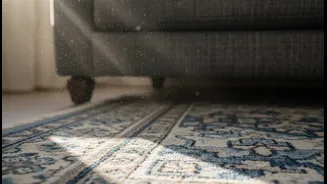
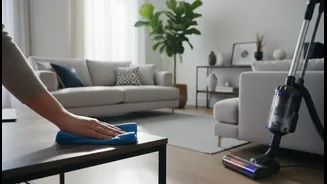
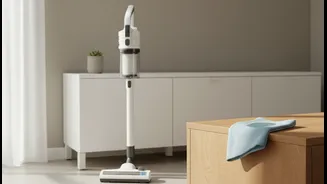
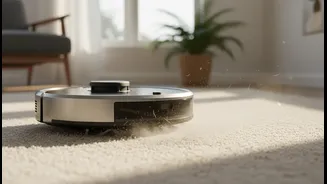
This is where traditional surface cleaning proves irreplaceable. Dusting, vacuuming, and mopping are the only ways to physically remove the settled contaminants that your air purifier can't reach. Studies have shown that the dust accumulated on surfaces is a major source of indoor pollution and can contain a mixture of allergens, chemicals, and bacteria. When you walk across a room or even sit on a sofa, these settled particles can be kicked back up into the air, a process called resuspension. Regular cleaning removes this source material. Using a damp microfiber cloth traps dust instead of just pushing it around. A vacuum cleaner, especially one with its own HEPA filter, effectively pulls dust and allergens from carpets and upholstery. This manual removal is the first and most critical line of defense in managing home cleanliness.
A Two-Pronged Strategy for a Healthier Home
The most effective approach, therefore, is to make these two methods work as a team. Think of surface cleaning and air purification as a complementary system. Start by cleaning your home thoroughly. This physical act of dusting and vacuuming will inevitably stir some particles into the air. By running your air purifier during and after you clean, you allow it to capture this newly airborne dust, preventing it from settling back onto your clean surfaces. For best results, run your purifier continuously, especially in rooms where you spend the most time, like the bedroom. Place the unit in an open area, ideally elevated 3-5 feet off the floor and away from walls or large furniture, to ensure optimal airflow. This integrated strategy—removing settled dust with cleaning and capturing airborne particles with a purifier—ensures you are tackling pollutants from all angles, leading to a significantly cleaner and healthier indoor environment.