








A Tale of Two Fleets
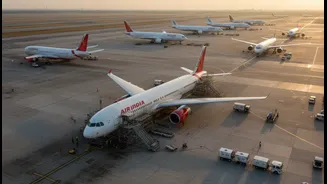
Since being acquired by the Tata Group, Air India has embarked on a radical transformation, and its fleet is at the heart of the strategy. The airline placed a historic order for hundreds of new Airbus and Boeing aircraft. New Airbus A350s and Boeing 787-9
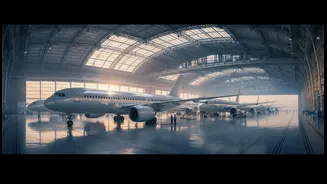
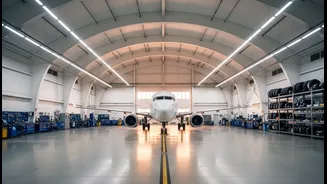
Dreamliners are already joining the fleet, with a steady stream of deliveries expected for years to come. However, waiting for this all-new fleet to arrive would take the better part of a decade. To bridge the gap and elevate its passenger experience immediately, the airline is also executing a massive USD 400 million retrofit program for its legacy widebody and narrow-body aircraft. This means that at any given time, Air India is managing the complex logistics of introducing new planes while also taking existing ones out of service for a complete overhaul.
The Billion-Dollar Facelift
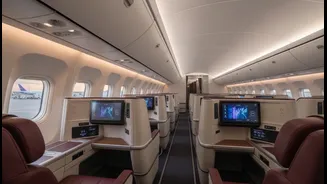
The retrofit program is far more than a simple coat of paint. It's a top-to-bottom refurbishment designed to make older aircraft feel new, aligning them with the product offered on the latest jets. For dozens of its legacy Boeing 777 and 787 widebody aircraft, this involves installing brand-new seats across all cabins, including a new Premium Economy class, which is a first for many of these planes. The upgrade also includes state-of-the-art inflight entertainment systems, in-seat power, new carpets, curtains, and completely redesigned lavatories and galleys. The goal is to create a consistent, premium product across the entire fleet, so passengers know what to expect whether they are on a brand-new A350 or a refurbished 787.
A Logistical Tightrope Walk
Running new deliveries and major retrofits at the same time is a high-wire act. The strategy is driven by the urgent need to improve and homogenise the customer experience, which had suffered from years of underinvestment. Instead of a slow, sequential upgrade, Air India has chosen a path of rapid, parallel transformation. By the end of 2026, the airline projects that over half of its widebody fleet will feature these modernised interiors. This aggressive timeline allows the airline to compete more effectively with global carriers on key international routes much sooner. However, this approach is fraught with challenges. Taking an aircraft out of service for a retrofit, which can take several months, temporarily reduces capacity just as the airline is trying to expand its network.
Navigating Global Headwinds
The ambitious plan has not been without its hurdles. The global aviation industry has been grappling with significant supply chain disruptions since the pandemic. These issues have affected the delivery schedules for new aircraft from both Airbus and Boeing and, crucially, have also delayed the arrival of components needed for the retrofit program, such as seats and entertainment systems. Air India's leadership has acknowledged these delays, noting that timelines for refurbishing some widebody aircraft have been pushed back. Despite these headwinds, the airline reports that the overall transformation remains on track, with dozens of aircraft expected to be delivered or retrofitted over the next couple of years.
The New Standard in Indian Skies
For passengers, the dual-track program promises a dramatically improved and, importantly, more consistent journey. The narrow-body retrofit for its A320neo fleet has already been completed, bringing a harmonised three-class cabin to many domestic and short-haul international routes. As more widebody aircraft are delivered and retrofitted through 2026 and 2027, travellers on long-haul routes to Europe, North America, and Australia will increasingly experience the new Air India. Flights to key hubs like London Heathrow are already transitioning to operate exclusively with new or fully retrofitted aircraft. This push for a unified, high-quality product is the ultimate goal of the airline's complex fleet strategy, aiming to re-establish Air India as a premier global carrier with a world-class offering.