






The Celestial Event as Global Spectacle
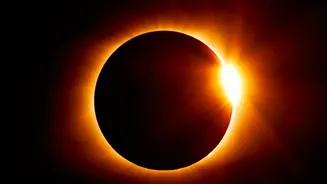
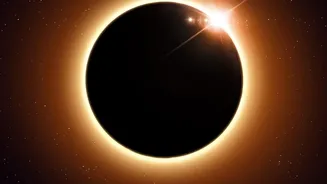
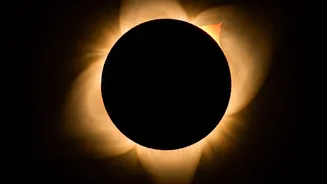
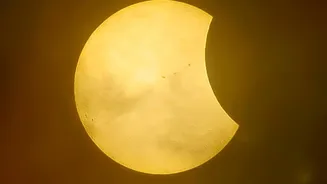
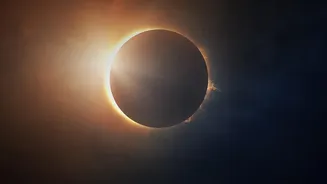
In the 21st century, an eclipse is a pre-planned, globally anticipated media event. Weeks in advance, science communicators and space agencies like NASA build excitement, sharing animations of the eclipse path and safety tips for viewing. On the day itself,
social media platforms become a real-time theatre of the cosmos. Hashtags like #SolarEclipse or #BloodMoon trend globally as people share photos taken through special glasses, telescopes, or even simple colanders. Live streams attract millions of viewers, creating a sense of a shared, worldwide experience. This modern approach frames the eclipse as a triumph of scientific prediction—a beautiful, harmless alignment of celestial bodies that we can all appreciate and document together. The focus is on witnessing, capturing, and sharing the visual splendour.
The Grahan as Ritualistic Stillness
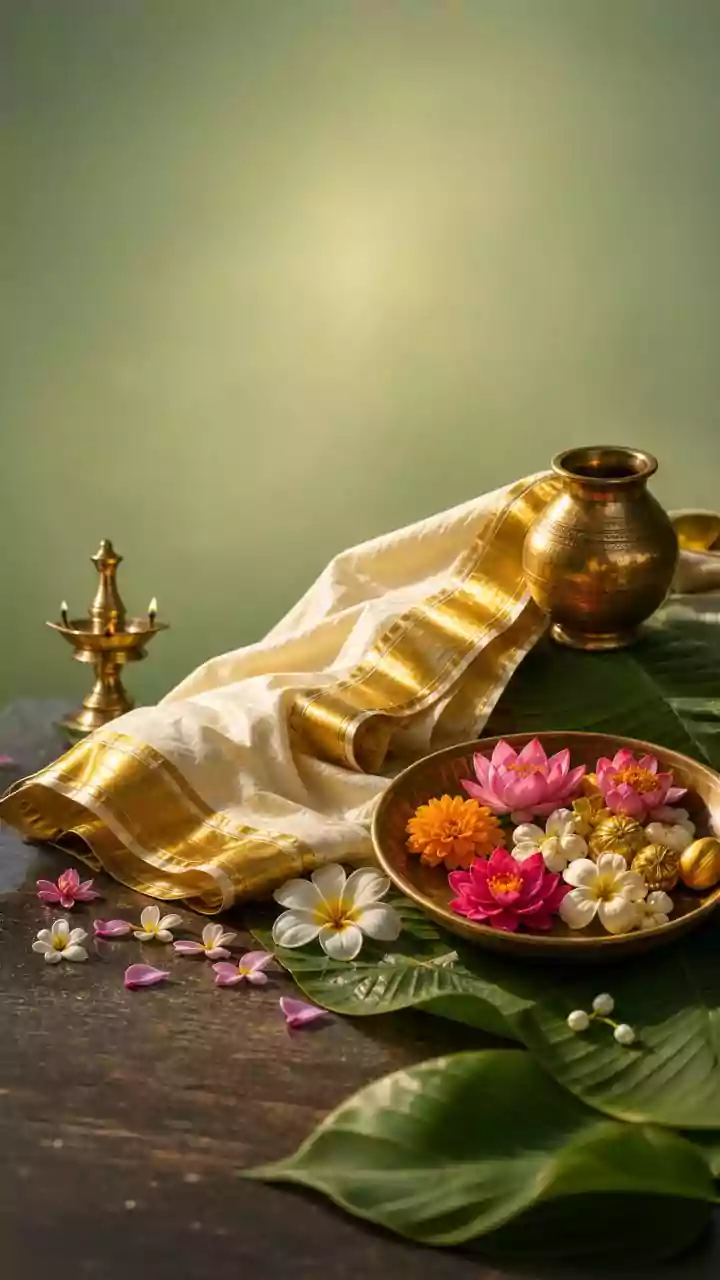
In India, however, the very same astronomical event is known as a 'grahan', and it is experienced through a much older, more introspective lens. For many Hindus, a grahan is not a spectacle but an inauspicious period. According to Puranic legends, the demon Svarbhanu (later known as Rahu and Ketu) periodically swallows the sun or moon as an act of cosmic revenge. This temporary victory of darkness over light is believed to contaminate the atmosphere with negative energies. This belief system gives rise to a set of deeply ingrained rituals. The 'sutak kaal', a period of impurity, begins hours before the eclipse. During this time, many families will fast, avoiding cooking and eating. Temple doors are closed, prayers are chanted indoors, and pregnant women are often advised to stay inside to protect the unborn child. It is a time for stillness and spiritual reflection, not public celebration.
Science Meets Sutak
The contrast between these two perspectives is stark. Science explains an eclipse as a mere shadow, a natural and predictable event with no inherent power to harm. In fact, ancient Indian astronomers like Aryabhata had given a scientific explanation for eclipses as early as the fifth century. Yet, the mythological narrative and its associated rituals persist powerfully in the cultural consciousness. Many of the practices are justified with reasons that blend the spiritual with the practical. For example, the advice to avoid food is linked to the idea that digestion weakens during the eclipse, making fasting a healthy choice. Similarly, protecting stored food with Tulsi (holy basil) or Darbha grass is a common practice to shield it from the perceived impure energies. This creates a fascinating dynamic where scientific understanding and ritual observance are not always in direct conflict, but often exist in parallel.
A Tale of Two Realities in One Home
Nowhere is this duality more apparent than within modern Indian families. It is not uncommon for younger members to be outside with their smartphones and certified eclipse glasses, eagerly trying to capture the perfect shot for their Instagram story, while their elders are inside, observing a fast and chanting mantras. The same person might watch a NASA live stream on their laptop and then take a ritual purification bath after the eclipse ends, as advised by their parents. Rather than a simple clash between superstition and science, what emerges is a complex blend of both worlds. The social media event and the ritual pause are not mutually exclusive; they are two different ways of finding meaning in a single cosmic moment. One is about participating in a global conversation, the other is about upholding a cultural and spiritual tradition. In many households, a compromise is found where both are accommodated.