





The New Era of Indian Travel
A fundamental shift is underway in how Indians travel together. The classic package tour is giving way to something more intentional. Instead of simply ticking off destinations, groups are now built around a shared purpose, whether it's spiritual solace,
cultural discovery, or the simple joy of spending quality time with family. Recent data shows that domestic tourism is booming, and a significant part of this growth is from organised group travel. This isn't just a post-pandemic rebound; it's a redefinition of what a holiday means. The focus has moved from destination-led to experience-led travel, reflecting a deeper desire for connection in an increasingly fast-paced world.
The Enduring Pull of Pilgrimage
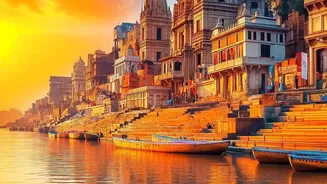
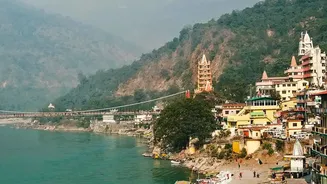
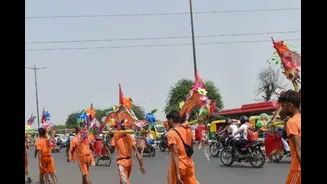
Spiritual tourism has always been a cornerstone of Indian culture, but it is now experiencing a modern resurgence. Reports indicate it's one of the fastest-growing segments, with nearly one in five Indian travellers planning a spiritual journey. Destinations like Varanasi, Ayodhya, Puri, and Tirupati are seeing huge increases in visitors, not just from older generations but from millennials and young professionals as well. This trend is fueled by improved connectivity and a growing desire for mindfulness and stress relief. Group travel is a key feature, with nearly half of all bookings for pilgrimage sites being made by groups, significantly higher than for leisure travel. These are no longer arduous journeys, but well-managed experiences, often blending spiritual activities with comfort and leisure.
Beyond Monuments to Lived Culture
Alongside the spiritual quest is a powerful thirst for cultural immersion. Modern travellers, particularly younger ones, are looking for authentic experiences that go beyond passive sightseeing. This has fueled the rise of heritage tourism, which focuses on engaging with India's living culture. Groups are signing up for workshops to learn traditional crafts like pottery, attending local festivals, and taking deep dives into regional cuisines. The goal is participation, not just observation. This form of travel allows groups to connect with the history and traditions of a place on a deeper level, turning a holiday into an educational and enriching experience that supports local communities.
The Unifying Power of Togetherness
Perhaps the most significant driver of this trend is the emphasis on 'togetherness'. Multi-generational family travel is growing rapidly, with grandparents, parents, and children choosing to create shared memories on the road. Reports show a strong preference for holidays that strengthen family bonds. In fact, India is leading the Asia-Pacific region in the rise of 'skip-gen' travel, where grandparents and grandchildren holiday together, often without the parents. This trend highlights a cultural priority: spending meaningful time with loved ones. Travel is becoming the new festival, an occasion for families to reconnect, share stories, and pass on traditions in a new and exciting context.