



What Exactly Is Floating Yoga?
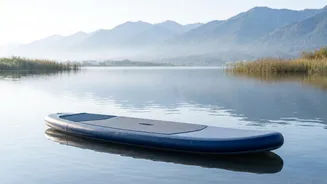
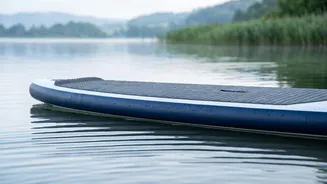
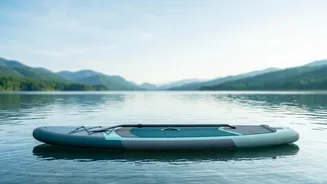
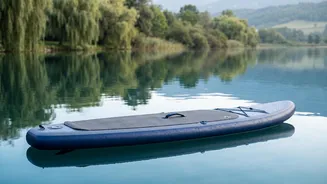
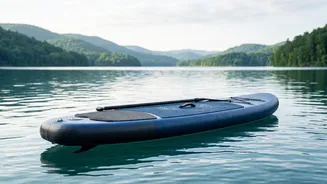
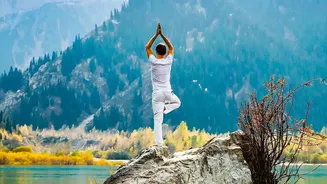
Floating yoga, more formally known as Stand-Up Paddleboard (SUP) Yoga, is a hybrid practice that combines traditional yoga with stand-up paddleboarding. Instead of a studio floor, your yoga mat is a paddleboard on a calm body of water like a lake, bay,
or harbour. The core idea is to perform your asanas (poses) on an unstable surface, which transforms the entire experience. This unique blend has surged in popularity because it offers a full-body workout while immersing you in nature, providing a refreshing escape from the confines of a typical studio.
A New Dimension of Balance
The most significant change when you move your practice onto the water is the added challenge to your balance. The board's constant, subtle movement requires you to engage your core muscles more deeply and consistently than on solid ground. Every pose, from a simple seated stretch to a standing warrior, forces your body to make constant micro-adjustments to maintain stability. This continuous engagement helps build incredible core strength, improves proprioception (your awareness of your body's position), and sharpens your focus in a way that land-based yoga cannot replicate.
Familiar Poses, Unfamiliar Sensations
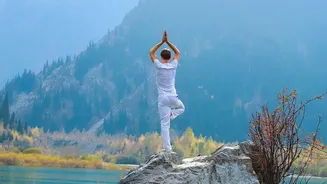
Even if you’ve practiced for years, familiar poses take on a new life on the water. A Downward-Facing Dog, for instance, requires careful weight distribution over the board's central handle to stay steady. A standing pose like Warrior II demands a wider, more deliberate stance to maintain your center of gravity. The instability turns every movement into a mindful action; a lapse in concentration could mean a refreshing, albeit surprising, dip in the water. This forces you to slow down, refine your alignment, and connect with your body and breath on a much deeper level. The experience strips away distractions, demanding your full presence.
More Than Just a Physical Challenge
While the physical benefits are substantial, the mental and emotional rewards are just as profound. Being surrounded by nature—the open sky, the gentle lapping of water, the fresh air—has an inherently calming effect. This serene environment helps reduce stress and promotes mental clarity. The need for intense focus to stay balanced acts as a form of active meditation, quieting the mental chatter and grounding you firmly in the present moment. Many practitioners find that floating yoga enhances mindfulness and provides a powerful sense of peace and relaxation that lingers long after the session is over.
What to Expect in Your First Class
If you're curious about trying floating yoga, don't be intimidated. Classes are designed to be beginner-friendly. Instructors typically start with simple, seated poses to help you get accustomed to the board. You’ll want to wear comfortable, quick-drying activewear or a swimsuit. The key is to move slowly, breathe deeply, and not be afraid of falling in—it's often part of the fun and a great way to cool off. The goal isn’t perfection, but rather the experience of moving, breathing, and finding a moment of playful serenity on the water.