



What We Thought Caused Meteor Colours
For a long time, the brilliant colours of a meteor were primarily attributed to the composition of Earth's atmosphere. The conventional wisdom was that as a meteoroid—a small piece of asteroid or comet—incinerates upon entry, it superheats the atmospheric
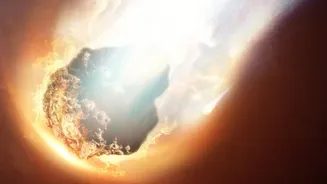
gases around it. This process causes the air itself to glow. The red and orange hues, for instance, were often linked to nitrogen and oxygen in the air. While the meteoroid’s own composition was known to play a part, the main driver was believed to be the high-speed interaction with our atmosphere, much like how neon signs glow when electricity passes through gas. This explanation made sense, painting a picture of a cosmic rock creating a temporary, colourful plasma trail of air.
A New, Higher-Fidelity View
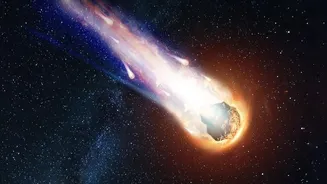
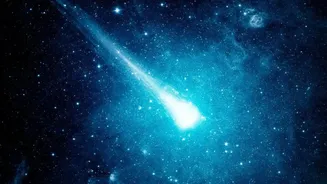
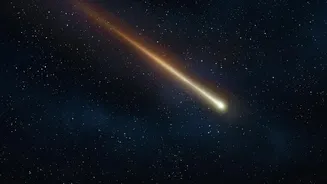
The latest breakthrough comes from a new, exceptionally clear image and data captured during a meteor's fiery descent. The headline refers to a recent observation detailed by NASA's Astronomy Picture of the Day. This wasn't just any snapshot; it was captured with instruments capable of spectroscopy, a technique that breaks down light into its component colours, revealing the chemical elements responsible. Think of it like a prism for a shooting star. This high-fidelity data allowed scientists to distinguish between the light emitted by atmospheric gases and the light coming directly from the vaporising meteoroid itself with unprecedented clarity. The sharpness of this new data is forcing a major rethink of what produces the most brilliant parts of the light show.
It's the Minerals, Not Just the Air
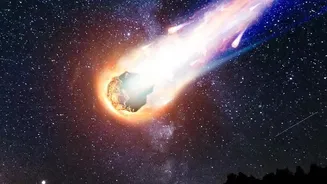
The new findings powerfully suggest that the most vibrant colours in a meteor's trail come from the minerals within the space rock vaporising at extreme temperatures. Each mineral or element burns with a characteristic colour, creating a unique chemical fingerprint. For example, sodium, a common element in meteorites, produces a bright orange-yellow glow. Iron, another key component, tends to glow yellow. The popular green hue is often caused by vaporising magnesium or nickel, while calcium can create a striking blue or violet shade. Previously, it was thought these colours were secondary to the atmospheric glow, but the new evidence indicates they are the primary source of the spectacle. The meteor isn't just heating the air; it's putting on its own fireworks display.
Decoding the Cosmic Fingerprint
This updated understanding moves the focus from our atmosphere to the object hurtling through it. By using spectroscopy to analyse the specific wavelengths of light, scientists can now more accurately determine the chemical makeup of a meteoroid in real-time as it disintegrates. This turns every bright meteor into a flying geological survey. If they see a predominantly green streak, they can infer a higher concentration of magnesium. A flash of violet points to calcium. This ability to 'read' the colours as a list of ingredients is a game-changer. It allows for the remote analysis of the composition of asteroids and comets, which are the parent bodies of these meteoroids. This provides invaluable data without having to land a probe on every distant object.
Why This New Interpretation Matters
Reframing meteor colours around vaporising minerals does more than just correct a scientific detail; it opens a new window into the history of our solar system. Meteoroids are remnants from the formation of planets, containing some of the oldest materials around. By accurately identifying their mineral composition from their fiery trails, scientists can learn more about the diversity and distribution of materials in the asteroid belt and beyond. This information helps piece together the puzzle of how planets like Earth formed and what raw materials were available. It provides clues about the chemical makeup of ancient asteroids, helping us understand the building blocks that may have delivered water and organic compounds to a young Earth.