

India's First Dawn
Long before the rest of the country stirs, the first rays of the sun kiss the Indian subcontinent at a specific spot: a remote valley in Arunachal Pradesh. Dong Valley, nestled in the Anjaw district, holds the distinction of being the first inhabited
place in India to greet the morning sun. This geographical superlative isn't just a trivia point; it's an invitation. Situated at an elevation of 1,240 metres near the tri-junction where India, China, and Myanmar meet, the valley is home to a small number of families from the Meyor tribe. The area's claim to fame was officially verified in 1999, and it gained national attention when it hosted a special sunrise viewing on New Year's Day 2000. For travellers, reaching this point is not a casual affair. It is a journey that demands planning, effort, and a willingness to embrace the rugged beauty of one of India’s least populated districts.
The Arduous Path to Walong
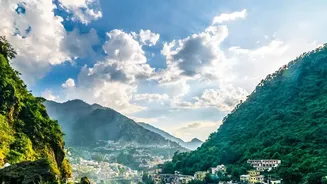
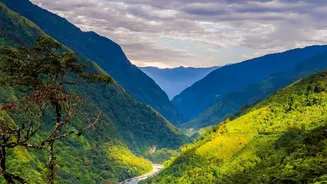
The adventure begins long before the trek itself. The nearest major airport and railway station are in Dibrugarh and Tinsukia in Assam, respectively. From there, it's a multi-day road trip to Walong, the closest town to Dong Valley. The journey takes you through Tezu, the last major town with reliable services like ATMs and fuel stations. The drive from Tezu to Walong is a breathtaking passage through the dramatic gorges of the Lohit River. This part of the journey requires not just a sturdy vehicle but also the right paperwork. Indian tourists need an Inner Line Permit (ILP) for Arunachal Pradesh, and because Dong Valley is in a sensitive border area, an additional Protected Area Permit (PAP) is often necessary. It's crucial to carry multiple printed copies of these permits, as they are checked at several military and police checkpoints along the way.
The Midnight Trek
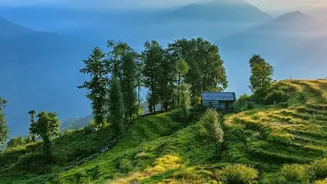
The final leg of the journey is the most memorable. To catch the sunrise, the trek from the trailhead near the village of Tilam begins around 2 or 3 AM. In the pitch-black, guided only by the beam of a headlamp and the knowledge of a local guide, you begin the 90-minute to two-hour ascent. The trail, a steep climb through fragrant pine forests, is moderately challenging. As you ascend, the air grows colder and the silence of the pre-dawn world is broken only by the sound of your own breathing and the rustling of the wilderness. This nocturnal hike is an experience in itself—a meditative climb fueled by anticipation. Trekkers often find themselves in a small, determined group, all moving toward the same goal: a specific ridge that serves as nature's amphitheatre.
A Symphony of Light
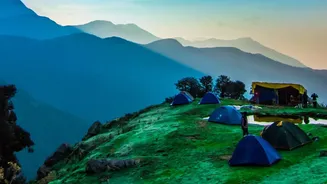
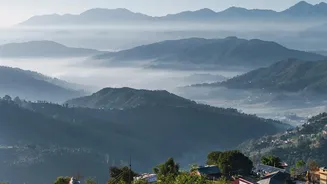
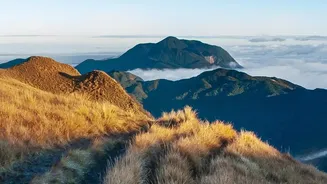
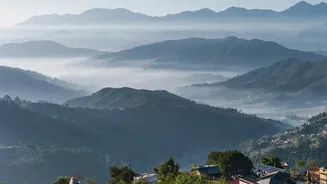
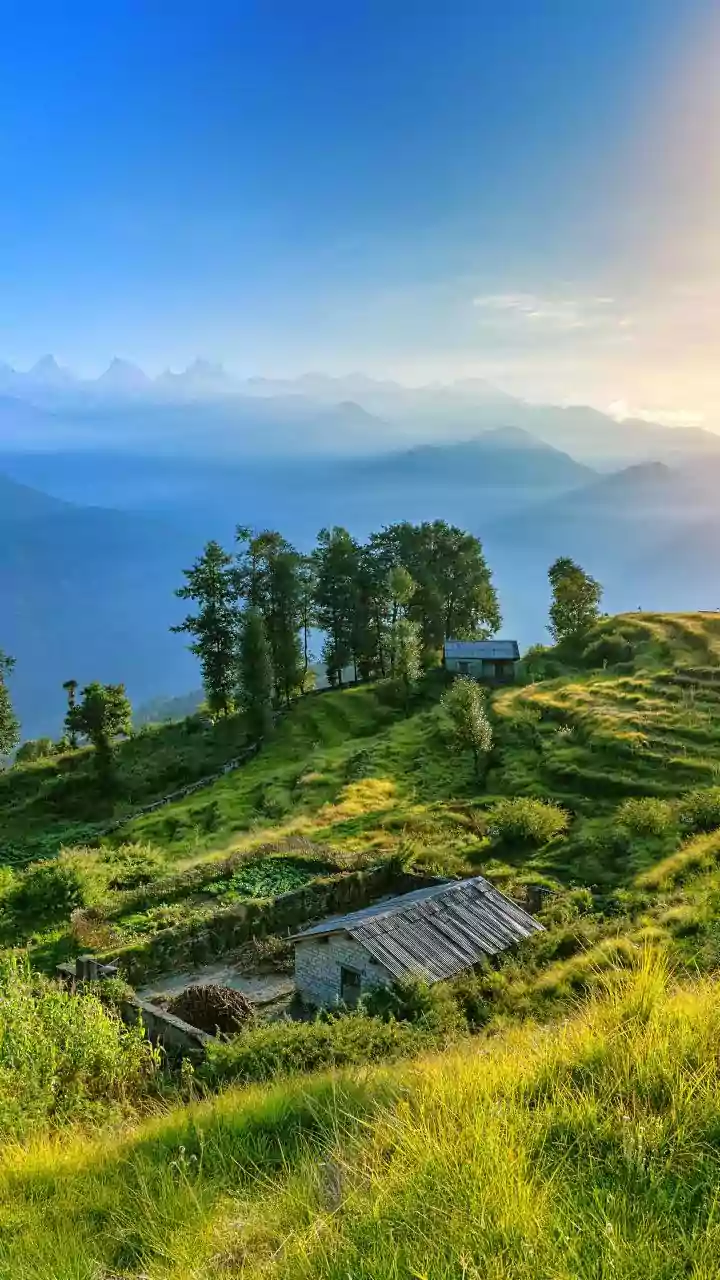
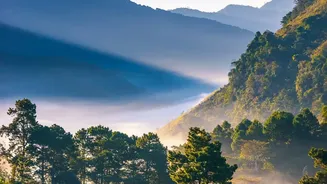
After the climb, you arrive at the viewpoint, a meadow on a high ridge. Then, you wait. In the biting cold of the early morning, guides might start a small fire for warmth. And then it happens. Depending on the season, as early as 4:30 AM, the horizon begins to glow. The sky transforms from inky black to deep indigo, then erupts in shades of orange, pink, and gold. The first sliver of the sun appears over the distant mountain ranges, and a wave of golden light washes over the valley, illuminating the confluence of the Lohit and Sati rivers below. Watching the light spill across the landscape, knowing you are among the first in a nation of a billion people to see it, is a profoundly moving experience. The view, stretching across the mountainous terrain of three countries, is a reward that far outweighs the rigours of the journey.