

The Planet's Energy Jugular
Before the conflict began in February 2026, the Strait of Hormuz was more than just a narrow passage of water; it was the world's economic jugular vein. Connecting the Persian Gulf to the open ocean, this chokepoint, only about 54 kilometres wide at its
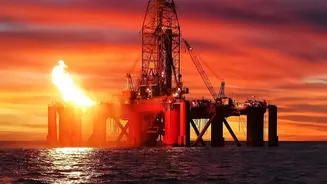
narrowest point, handled a staggering volume of global energy. On an average day, around 21 million barrels of oil flowed through its shipping lanes. That accounted for roughly a quarter of all seaborne oil trade and about 20% of total global consumption. For countries like Saudi Arabia, the UAE, Kuwait, Iraq, and Qatar, it was the primary route to get their most valuable export to international markets, with the vast majority destined for energy-hungry economies in Asia.
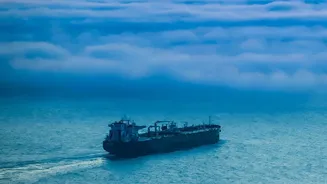
A Daily Ballet of Supertankers
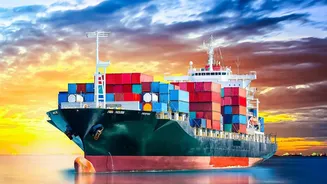
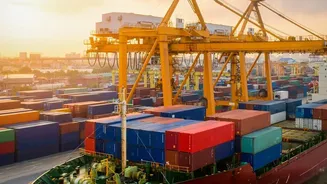
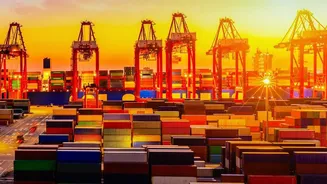
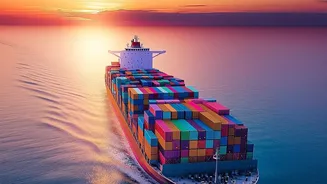
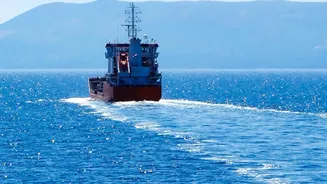
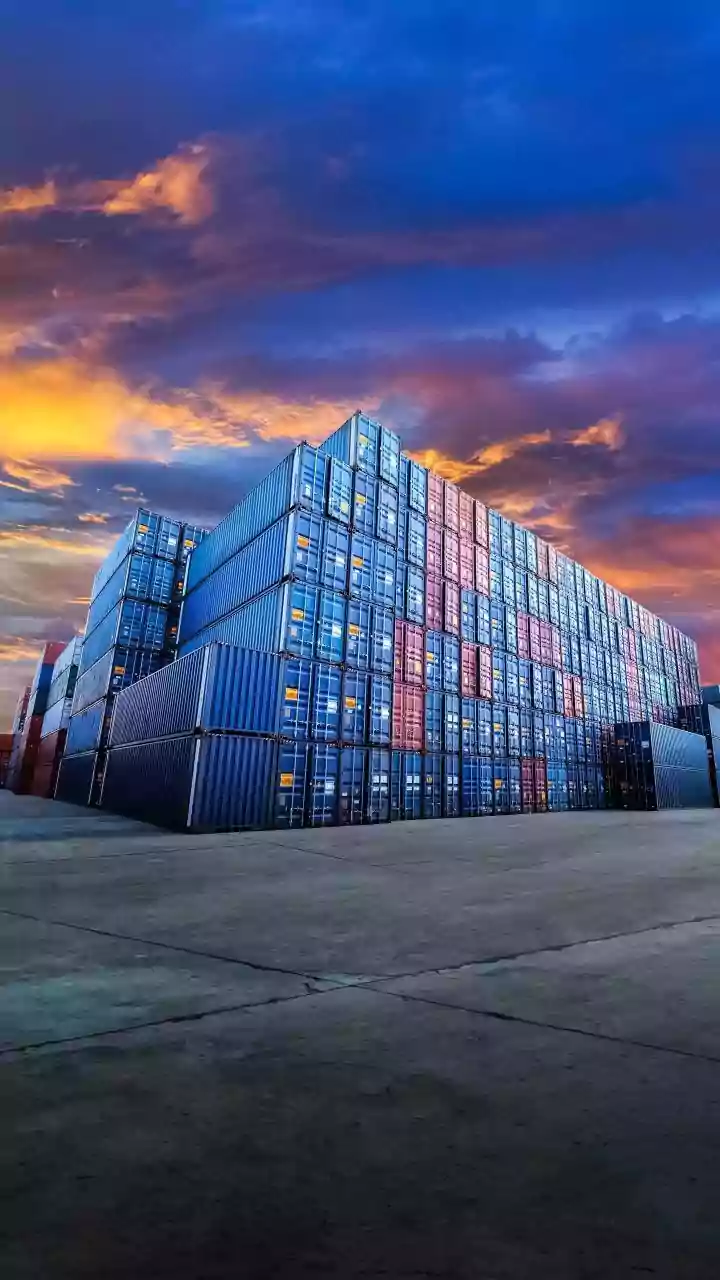
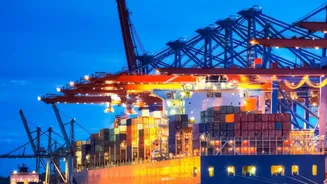
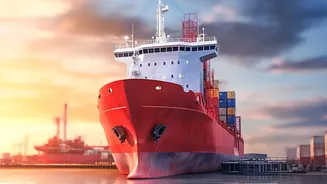
The 'normal' scene in the strait was a carefully choreographed ballet of immense vessels. Each day, dozens of ships, including Very Large Crude Carriers (VLCCs) capable of carrying over two million barrels of oil, navigated the designated traffic lanes. They were joined by a constant stream of liquefied natural gas (LNG) carriers, especially from Qatar, which alone accounted for nearly a fifth of the global LNG trade passing through the strait. The traffic was not just about energy. Container ships carrying consumer goods, bulk carriers with fertilisers, and other commercial vessels were also part of the mix, making the waters between Iran and Oman some of the most congested and strategically significant on Earth. This ceaseless flow was the engine of a globalised economy, a system so routine that its profound fragility was often overlooked.
India's Lifeline in the Gulf
For India, the uninterrupted flow through Hormuz was not an abstract geopolitical issue; it was a matter of national survival. The country, being the world's third-largest oil consumer, depended on imports for about 85% of its crude oil needs. Before the war, an estimated 40-45% of those imports transited the strait. Furthermore, over half of India's LNG and a staggering 90% of its LPG imports, crucial for millions of households, came through this single point of failure. Any disruption meant immediate and direct consequences for fuel prices, electricity generation, fertiliser production, and the overall economic stability of the nation. The fragile peace in Hormuz was directly linked to the daily lives of hundreds of millions of Indians.
A Peace Maintained by Force
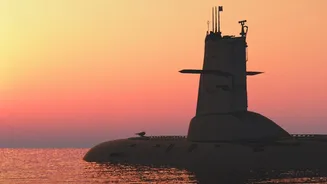
This 'normal' traffic never existed in a vacuum. It was a state of 'managed tension'. For decades, the region has been a geopolitical flashpoint. Iran, with its long coastline bordering the strait, frequently asserted its ability to close the waterway, a threat that kept global markets on edge. The history of the region is punctuated by incidents, from the 'Tanker War' of the 1980s to the seizure of vessels in 2019. In response, a heavy international naval presence became a permanent fixture. The U.S. Navy's Fifth Fleet, based in nearby Bahrain, along with coalition maritime forces, conducted constant patrols. Their mission was clear: to deter aggression and ensure freedom of navigation, a principle under which all ships have the right of passage through international straits. This web of deterrence, diplomacy, and military readiness was the invisible hand that kept the oil flowing.
The World Before the Silence
Before the attacks began and shipping ground to a halt in early 2026, the system, while stressed, worked. Maritime insurance rates would spike with every new threat, and regional powers would engage in shadow conflicts, but the supertankers continued their journey. Alternative routes, such as pipelines bypassing the strait in Saudi Arabia and the UAE, could only handle a fraction of the total volume and were themselves vulnerable. The world had grown accustomed to the risks, accepting the uneasy peace as the cost of doing business. Looking back from today's vantage point of stranded ships and soaring energy prices, that precarious normalcy seems like a distant, almost naive, memory. It was a system functioning at the edge, one that required constant vigilance and, ultimately, proved breakable.