





From Zen Monks to Social Media Stars
Matcha’s story begins not in a trendy café, but in 12th-century Japan, where it was introduced from China. Zen Buddhist monks adopted the practice of grinding tea leaves into a fine powder and whisking it with hot water. They found its properties—a sense
of calm alertness—ideal for long meditation sessions. This practice evolved into the intricate and mindful Japanese tea ceremony, known as 'chanoyu' or 'sadō', a ritual built on harmony, respect, and tranquility. Fast forward to today, and matcha has been extracted from this quiet, contemplative context and thrust into the fast-paced world of global trends, becoming a symbol of a certain kind of health-conscious lifestyle.
What Exactly Is in the Cup?
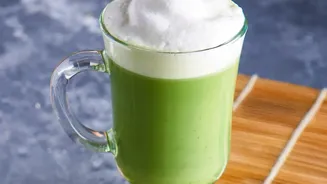
Unlike regular green tea where you infuse and discard the leaves, with matcha, you consume the entire leaf. The tea plants (Camellia sinensis) are shade-grown for several weeks before harvest. This process boosts their chlorophyll content, giving matcha its signature vibrant green color, and increases the concentration of amino acids, particularly L-theanine. After harvesting, the leaves are steamed to halt oxidation, dried, and then stone-ground into an ultra-fine powder. This method means you ingest a higher concentration of the nutrients, caffeine, and antioxidants present in the leaf compared to steeped tea.
Decoding the Health Hype
Matcha is often marketed as a “superfood,” and there is some truth to its benefits. It is incredibly rich in antioxidants called catechins, particularly EGCG, which may help protect cells from damage. The most unique aspect, however, is the combination of caffeine and L-theanine. L-theanine is an amino acid that promotes a feeling of relaxation and calm without drowsiness. Paired with caffeine, it can produce a state of “calm alertness,” providing sustained energy without the jitters or crash sometimes associated with coffee. While studies suggest potential benefits for heart health, brain function, and even stress reduction, many claims are based on small studies or research on green tea in general. It's a healthy beverage, but not a magic potion.
The Problem with Promises
When a food becomes a wellness icon, the joy of consumption can get lost. The intense marketing around matcha's benefits can create pressure, turning a simple drink choice into a performative act of self-care. This reduction of a culturally significant ritual into a mere health hack is a form of cultural extraction. Furthermore, the quality of what's being sold often doesn't match the lofty promises. Many café lattes use lower, culinary-grade matcha with a bitter taste that is then masked by large amounts of sugar and milk, effectively negating some of the health benefits being touted. The drink being sold often has little in common with the ancient practice it borrows its name from.
Reclaiming Your Refreshment
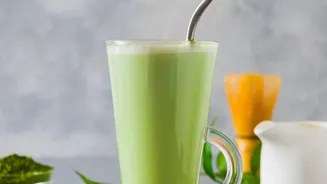
So, how can you enjoy matcha without buying into the hype? Start by focusing on taste, not just benefits. If you're making it at home, you don't need a full ceremonial set. A simple bowl and a small whisk (or even a milk frother) will do. Try it the traditional way, whisked with hot water, to appreciate its unique 'umami' or savory flavor. From there, experiment. Make an iced matcha on a hot day. Try it with different types of milk to see what you prefer—oat and almond are popular choices. Add a touch of sweetener if you like, or enjoy its earthy, grassy notes on their own. The goal is to find a preparation that you find genuinely delicious and refreshing, divorcing it from any obligation to be 'well'.