







A New Definition of Passport Power
The Happy Passports Index offers a more holistic view of a passport's worth by evaluating 50 countries not just on travel freedom, but on the quality of life they offer their citizens at home. The idea is simple: a truly 'happy' passport should provide
its holder with both global access and a high standard of living. Published by migration consultancy firm Global Citizen Solutions, the index moves beyond traditional metrics to paint a more complete picture of what a nationality means for an individual's opportunities and well-being. It suggests that the best passports enable freedom of choice both abroad and at home.
Pillar 1: Wellbeing
The first pillar, Wellbeing, directly measures how residents of a country feel about their own lives. This isn't just an abstract economic number; it's based on life evaluation data from sources like the World Happiness Report. The index asks whether citizens feel satisfied with their lives, a factor that many older passport rankings ignore. This pillar acknowledges that a strong passport from a country where people are unhappy offers a limited form of freedom. Interestingly, the index reveals that some countries with very strong passports for travel rank lower on this pillar, suggesting mobility doesn't always equal happiness.
Pillar 2: Freedom at Home
The second pillar, Freedom at Home, assesses the level of personal and civil liberties citizens enjoy. This includes factors like freedom of speech, personal choice, and the overall peacefulness of the country. Denmark, for example, scored highly across all pillars because it combines a strong passport with high scores for civil liberties. In contrast, some nations may offer good economic prospects but place restrictions on personal freedoms, which lowers their 'happiness' score in this index. This pillar operates on the principle that the ability to travel the world is less valuable if you don't feel free in your own country.
Pillar 3: Mobility
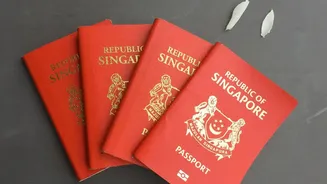
Mobility remains a crucial component, but it's measured with more nuance. Instead of just counting the number of visa-free destinations, this pillar also considers the 'quality' of that access. This can include the desirability of the accessible countries in terms of their own quality of life and economic opportunities. While Singapore scores exceptionally well in mobility, its overall rank is balanced by other factors. Finland, the 2026 leader, combines excellent mobility with top scores in other pillars, showcasing a more balanced strength. This approach confirms that while visa-free travel is important, it's only one piece of a much larger puzzle.
Pillar 4: Prosperity, Health & Safety
The final pillar combines several practical metrics under Prosperity, Health & Safety. This includes economic factors like income levels, but also crucial quality-of-life indicators like healthy life expectancy and personal safety. A country might have high GDP, but if its residents have lower life expectancy or feel unsafe, its score is adjusted accordingly. This pillar helps to ground the index in the real-world conditions that citizens experience daily. For instance, Switzerland scores well here, reflecting its reputation for safety and a high standard of living, which complements its strong passport. This provides a tangible measure of a country's ability to provide a secure and healthy environment for its people.