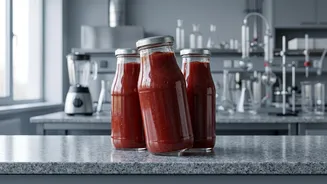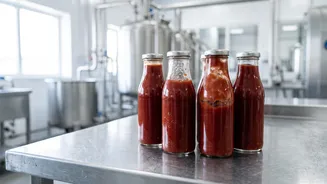





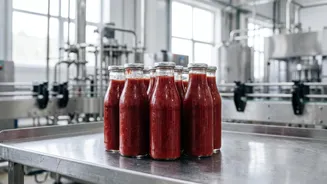


The Shocking Discovery in Ahmedabad
In a recent series of crackdowns, the Ahmedabad Municipal Corporation's (AMC) food safety department uncovered operations producing counterfeit ketchup. In one raid in the Gota area, officials seized a staggering 10,630 kg of suspect products and raw
materials from a factory. In another, 2,000 kg of fake sauce was confiscated from a unit in Pirana. These weren't just minor infractions; the factories were allegedly producing 'tomato' ketchup using an alarming list of ingredients that posed significant health risks. The product was then reportedly packaged in large containers and sold cheaply to street food vendors and local eateries, spreading the potential harm across the city's food chain.
What's Really in Fake Ketchup?
Instead of ripe tomatoes, authorities found a slurry made from potato pulp, starch powder, and water, designed to create a thick base. To mimic the signature red colour, manufacturers used artificial chemical dyes. A sour taste, normally from tomatoes and vinegar, was replicated with acetic acid. This concoction is a far cry from the real thing and turns a simple condiment into a chemical cocktail. Food safety experts note that this is a common tactic used by unscrupulous producers to cut costs, substituting cheap, sometimes spoiled vegetables and bulking agents for actual tomatoes.
The Hidden Health Dangers
The health implications of consuming such adulterated products are serious. Synthetic food dyes, often derived from petroleum, have been linked to a range of health issues. Some studies suggest they can contribute to hyperactivity and other neurobehavioral problems in children. Other common adulterants like formalin, sometimes used to preserve produce, can cause severe inflammation of the liver and pancreas. Regular consumption of these unlisted and unregulated chemicals can lead to everything from indigestion and food poisoning to long-term, chronic health conditions.
How to Spot Counterfeit Ketchup
As a consumer, you have the right to know what's in your food. While it can be difficult, there are a few simple tests you can do at home. One easy method is the water test: put a spoonful of ketchup into a glass of water. Genuine ketchup, made with tomato solids, will largely hold its shape and not immediately dissolve or colour the water. Fake, dye-heavy versions will often disperse quickly, leaving a trail of red in the water. Also, be wary of ketchup that is unnaturally bright red or overly sweet. Always check the ingredient list and stick to trusted, certified brands.
A Safe and Simple Homemade Recipe
The surest way to know what's in your ketchup is to make it yourself. It’s surprisingly simple and requires just a few basic ingredients. You can start with either fresh tomatoes or a good quality tomato paste. For a quick version, whisk together tomato paste, a splash of vinegar, a little sugar or maple syrup for sweetness, and spices like onion powder, garlic powder, and a pinch of salt. If using fresh tomatoes, cook them down with chopped onion and garlic until soft, then blend everything until smooth. Simmer the mixture on low heat until it thickens to your desired consistency. You can customise it with spices like cinnamon or cloves for a unique flavour.