



The Unconventional Offer
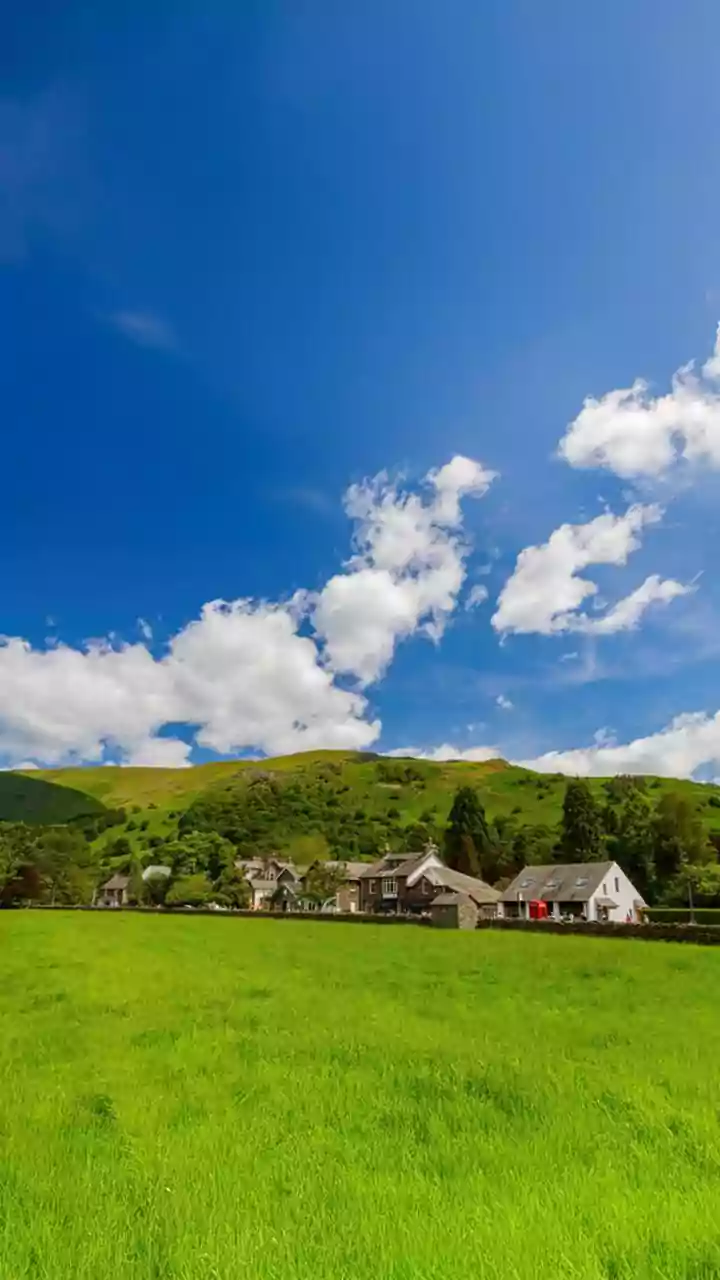
In the quiet hills of Soria, a province in northern Spain, the tiny village of Arenillas made an offer that seemed too good to be true. With a dwindling population of just a few dozen permanent residents, the town decided to combat its slow decline by
offering a life-changing package: a fully renovated, rent-free house and stable employment for a family willing to relocate permanently. The deal was highly specific and practical. In exchange for the home, the new residents would take on two crucial community roles: managing the village's only social bar—the heart of local life—and serving as the municipal handyman for maintenance and building work. Free school transport for children to a nearby town was also part of the package. The response was overwhelming, with reports of over a hundred applications flooding in within a week, demonstrating the powerful appeal of escaping the city for a simpler, more affordable life.
A Village on the Brink
The generosity of Arenillas is born from necessity. Like thousands of other villages across Spain's interior, it is a frontline casualty of a demographic crisis. For decades, young people have been leaving for better opportunities in cities like Madrid and Barcelona, leaving behind an aging population and empty houses. The local school in Arenillas closed its doors some 30 years ago due to a lack of children. While the population swells in the summer when former residents return for holidays, the cold winter months see the streets fall quiet. Without new families to energize the community, run local services, and ensure there is a next generation, villages like this face the very real threat of becoming ghost towns. The home-and-job offer isn't just about filling one empty house; it's a strategic investment in the town's future, a bid to keep the community alive and functioning year-round.
The Crisis of 'Empty Spain'
Arenillas is a small story within a much larger national drama known as 'España Vaciada' or 'Emptied Spain'. This term refers to the vast, sparsely populated regions of the country's interior that have been hollowed out by decades of migration. Statistics paint a stark picture: while Spain's overall population has grown, it is highly concentrated, with some reports indicating that 90% of people live on just 30% of the land. This has left thousands of municipalities, particularly in regions like Castile and León, Aragon, and Extremadura, at severe risk of depopulation. The consequences are dire, leading to the deterioration of essential services, loss of infrastructure, and the abandonment of agricultural land. The 'España Vaciada' movement has evolved from a talking point into a grassroots political force, demanding government attention and investment to reverse the decline.
A Trend Across the Countryside
Spain's struggling villages are getting creative, and the Arenillas model is just one of several approaches being tried. In the northern region of Asturias, the picturesque mountain town of Ponga has famously offered cash incentives, reportedly giving new couples around €3,000 to move in, with an additional bonus for every child born there. In Rubiá, a village in Galicia, the offer was a modest but helpful monthly stipend of up to €150 per person to help with living costs. Other villages have focused on attracting digital nomads with the promise of a quiet lifestyle and cheap rent. What these initiatives share is a common goal: to attract people who will integrate into the community, enrol children in schools, and contribute to the local economy. They represent a fundamental shift from passively watching decline to actively recruiting a future.
The Fine Print and the Future
For those dreaming of a Spanish rural escape, it is important to understand the reality behind the headlines. These offers are not straightforward handouts and come with significant commitments. Most programs, like Ponga's, require new residents to commit to living in the village for a set number of years, often five or more. Furthermore, these incentives are not a pathway to a visa. Applicants must already have the legal right to live and work in Spain, a hurdle for many non-EU citizens. The arrangements represent a mutual gamble. A family uproots their entire life for a chance at something new, while a village places its hopes for survival in the hands of strangers. Whether these programs can truly reverse decades of demographic decline remains to be seen, but for now, they are a powerful symbol of resilience and a testament to the enduring appeal of community.