






What the New Scheme Entails
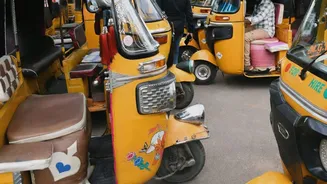
The Telangana government has officially approved the 'Telangana Auto-Rickshaw Electric Conversion Scheme–2026', a landmark initiative with a budget of ₹200 crore. The core objective is to support the owners of 18,766 specific petrol and diesel-powered
auto-rickshaws operating in Hyderabad's Core Urban Region Economy (CURE) area to transition to electric vehicles. This group includes 11,254 diesel and 7,512 petrol autos with valid registrations. The policy is a key part of the state's ambitious 'Telangana Rising Vision–2047', which aims to make Hyderabad a sustainable, green city with net-zero carbon emissions.
A Major Boost for Drivers
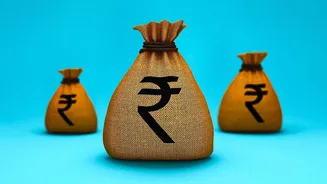
At the heart of the scheme is substantial financial assistance designed to make the switch economically viable for drivers. Each eligible auto owner can receive a subsidy of up to ₹1.5 lakh. This support is not just a loan but direct aid intended to ease the financial burden of upgrading their vehicles. The policy aims to directly address the rising fuel costs that eat into drivers' daily earnings, with leaders from auto-rickshaw unions welcoming the decision as a move that will make their operations more economical. By switching to EVs, drivers stand to significantly lower their running costs, boosting their take-home income.
Two Choices: Retrofit or Replace
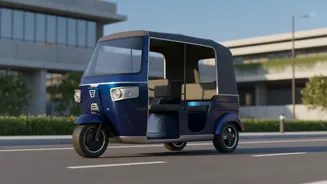
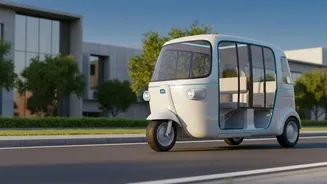
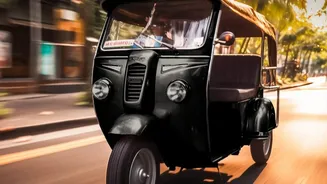
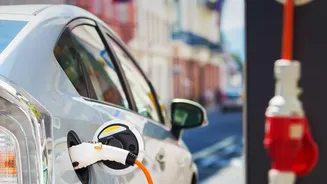
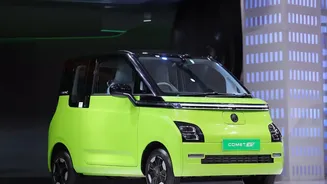
Drivers are given two distinct pathways to go electric. The first option is retrofitting, where the existing vehicle's internal combustion engine, fuel tank, and exhaust are replaced with an AIS-123-approved electric kit. This allows the driver to keep their original chassis and vehicle body. The government will provide financial aid up to ₹1.5 lakh or the actual cost of the retrofitting kit and installation, whichever is lower. The second option is replacement. Here, owners can surrender their old petrol or diesel auto and purchase a brand new, factory-built electric three-wheeler. For this option, a fixed subsidy of ₹1.5 lakh will be provided, which empanelled dealers will deduct directly from the on-road price of the new vehicle.
Funding and Implementation
The ₹200 crore budget for the scheme is being pooled from various government departments to ensure broad-based support. The plan proposes drawing ₹50 crore each from the SC, ST, BC, and Minority Welfare departments. Importantly, the assistance is available to all eligible vehicle owners, irrespective of their social category. To ensure transparent and effective execution, a three-tier monitoring system will be established. This will include a State-Level Steering Committee, a Scheme Implementation Committee, and District-level Sanction Committees headed by local collectors, creating a clear chain of command for approving and overseeing the conversions.
The Bigger Picture for Telangana
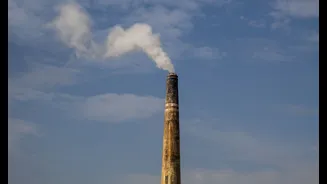
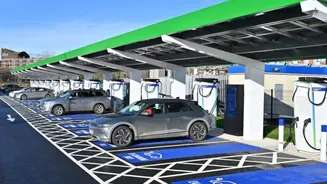
This policy is more than just a vehicle upgrade program; it's a strategic move to tackle urban pollution and improve public health. By targeting thousands of older, more polluting vehicles, the government aims to significantly reduce vehicular emissions and noise pollution in Hyderabad. This initiative complements other green policies, such as the introduction of thousands of electric buses into the state's public transport fleet and a 100% exemption on road tax and registration fees for new EVs until the end of 2026. Ultimately, the goal is to balance environmental protection with the economic interests of the drivers who form the backbone of the city's transport system.