


The Best of Both Worlds
The idea behind edible landscaping is simple: incorporate plants that produce food into your ornamental garden design. Instead of separating vegetables into a patch at the back, this approach uses their colour, texture, and form as part of your garden's
overall aesthetic. It’s a sustainable practice that combines the beauty of traditional gardening with the reward of a fresh harvest. Many edible plants offer stunning flowers, vibrant foliage, or an elegant structure that can rival any purely decorative plant. The result is a multi-functional garden that provides fresh, homegrown produce, attracts pollinators like bees and butterflies, and looks incredible while doing it. By mixing edibles with ornamentals, you can create a dynamic, beautiful, and useful space right outside your door.
1. Nasturtium (Tropaeolum)
Nasturtiums are a perfect starting point for any edible landscaper. These easy-to-grow annuals produce beautiful, jewel-toned flowers in shades of orange, yellow, and red that cascade beautifully from hanging baskets or create a colourful groundcover. Their unique, round leaves add a lovely soft texture to garden beds. But their beauty is matched by their usefulness. Every part of the common garden nasturtium is edible. The leaves and flowers have a delightful, peppery flavour, similar to watercress, making them a fantastic addition to salads. The unripe seed pods can even be pickled to create 'poor man's capers'. As a bonus, nasturtiums thrive in poorer soil, so there's no need for fancy fertilisers; in fact, less fertile soil encourages more flowers over leaves.
2. Roselle (Gongura)
Known to many in India as Gongura, Roselle (Hibiscus sabdariffa) is a striking plant that commands attention. It grows into a handsome shrub with deep red stems and attractive, lobed leaves. While its pale, hibiscus-like flowers are pretty, the real ornamental and culinary star is the bright red, fleshy calyx that forms after the flower fades. These calyces are tart and flavourful, famously used to make refreshing teas, jams, and sauces. The young leaves are also edible and have a sour taste, forming the base of popular chutneys and curries. Roselle thrives in heat and sun, making it well-suited to many Indian climates. Plant it as a statement shrub or a seasonal hedge for a dramatic and delicious impact.
3. Amaranth (Chauli or Rajgira)
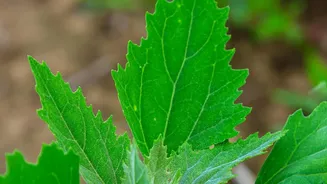
Amaranth brings a burst of dramatic colour to the garden with its vibrant foliage and striking flower plumes. Depending on the variety, you can find it in brilliant shades of magenta, red, gold, and green. Tall, majestic varieties create a stunning backdrop in garden beds, while trailing types like 'Love-Lies-Bleeding' add a unique, cascading texture. Amaranth is not just for show. The young leaves are highly nutritious and can be cooked like spinach, making a great addition to saag and stir-fries. The plant also produces thousands of tiny seeds, which are harvested as a protein-rich, gluten-free grain that can be cooked like quinoa or ground into flour. It's a resilient and versatile crop that offers both visual flair and wholesome food.
4. Curry Leaf Plant (Kadi Patta)
No South Indian kitchen is complete without curry leaves, and the plant itself (Murraya koenigii) is a wonderfully attractive addition to any garden. It grows into a small, elegant tree or large shrub with graceful, pinnate leaves that are incredibly aromatic. When planted in the ground, it can form a lush, green backdrop, and it also does very well in large containers on a patio or balcony. A steady supply of fresh curry leaves is a huge culinary advantage, allowing you to simply step outside and pluck a few sprigs to add their unique, citrus-like flavour to tadkas, sambars, and chutneys. The plant also produces small, fragrant white flowers, adding another layer of sensory appeal to your garden.
5. Butterfly Pea (Aparajita)
The Butterfly Pea vine (Clitoria ternatea) is a truly magical plant, celebrated for its stunning, deep-blue flowers. This fast-growing climber is perfect for covering a trellis, arch, or fence, creating a wall of green foliage dotted with vibrant cobalt blooms. As an ornamental, it's a guaranteed conversation starter. The flowers are also its primary edible component. They are famously used to make a caffeine-free herbal tea that is a brilliant blue colour. Add a squeeze of lemon juice, and the tea magically transforms from blue to purple due to the change in pH. The flowers can also be used as a natural food colouring for rice, desserts, and drinks. As a nitrogen-fixing legume, it even improves the soil for its neighbours.